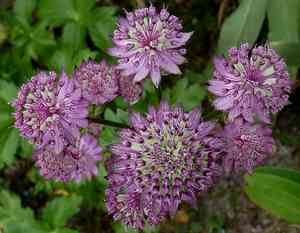
Greater masterwort (Astrantia major)
Also known as: Mountain sanicle
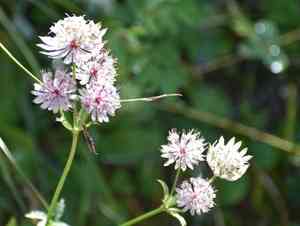
Greater masterwort (Astrantia major) boasts distinctive clusters of small white flowers surrounded by larger bracts, creating a striking visual effect. This perennial is not only easy to cultivate but also deer-resistant and largely free from pests. It pairs beautifully with large ornamental grasses and works well in perennial borders.
In This Article
Attributes of Greater masterwort
Lifespan
Perennial, Annual
Plant Type
Herb
Plant Height
90 cm
Spread
45 cm
Leaf Color
Green
Flower Size
2 cm to 3 cm
Flower Color
White Pink Green Red
Images of Greater masterwort
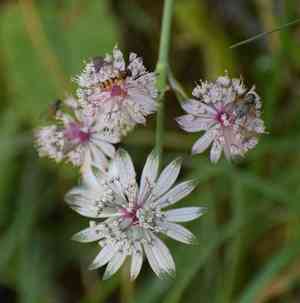
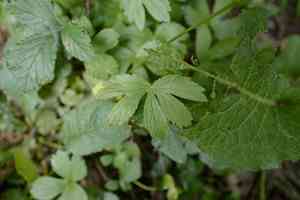
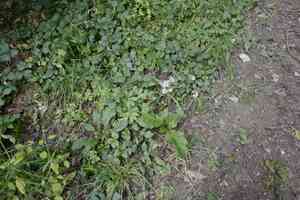
Quickly Identify Greater masterwort
1
Astrantia major can be identified by its deeply lobed, dark green leaves and its distinctive, umbel-shaped flower heads. The flower heads consist of many small flowers surrounded by prominent bracts that are often white, pink, or purple. The plant typically grows to a height of 45-60 cm.
Scientific Classification of Greater masterwort
Phylum
Vascular plants
Class
Dicotyledons
Order
Apiales
Family
Umbellifers
Genus
Masterworts
Species
Greater masterwort
Planting and Growing of Greater masterwort
Care Difficulty
Easy
Watering Schedule
Every 8 days
Sunlight Requirements
Partial sun
Sunshine Duration
6-10 hours
Ideal Temperature
65-75℉
Soil Type
Potting Mix, Peat Mix
Soil pH
6.5-7.5
Fertilizer Type
Balanced
Pruning Season
Spring, Summer
Pruning Area
Branches, Leaves
Pruning Frequency
Once a year
Repotting Season
Spring
Pot Type
Plastic, Ceramic
 How to Water Greater masterwort?
Ensure that the soil is thoroughly moist but not waterlogged. You should aim to pour about 500 ml of water each time you water your Astrantia major, enough to let the water penetrate deep into the soil without causing excess run-off.
What are the symptoms of an underwatered Greater masterwort?
›
What should I do if my Greater masterwort is not getting enough water?
›
What are the symptoms of an overwatered Greater masterwort?
›
How to save an overwatered Greater masterwort?
›
 What Are the Sunlight Requirements for Greater masterwort?
Astrantia major flourishes in partial sun conditions. Ideal lighting promotes healthy leaf development and vibrant flower production, enhancing its ornamental beauty in shaded or partially sunny garden spots.
More About Sunlight Requirements Techniques→
What type of light does Astrantia major prefer?
›
How can you achieve the ideal lighting for Astrantia major?
›
What are the benefits of optimal lighting for Astrantia major?
›
 What Is the Ideal Temperature Range for Greater masterwort?
Astrantia major thrives best in moderate temperature ranges between 65°F to 75°F, where it can maintain healthy growth. These temperatures support optimal photosynthesis and respiration rates, crucial for its development. Maintaining this range ensures the plant exhibits vibrant colors and strong structural integrity, key indicators of its health and vigor during the growing season.
 What Soil is Best for Greater masterwort?
Astrantia major thrives in soils that have good moisture retention capabilities. The ability of loam and peat soils to hold moisture ensures that the plant remains hydrated, promoting lush growth and vibrant blooms. Rich, organic soil is pivotal for Astrantia major, as it supports robust development. High nutrient content provided by organic matter in loam or peat soils boosts the plant’s vigor and flower production. While moisture is crucial, Astrantia major also requires well-draining soil to prevent root rot. Sandy loam offers an ideal balance, ensuring that excess water is efficiently drained, preventing damaging waterlogging.
 How to Fertilize Greater masterwort?
Astrantia major requires a balanced approach to fertilization. During the growing season, apply a balanced liquid fertilizer at half strength every two weeks. For slow-release granular fertilizers, use them sparingly, about three times a year, ensuring not to overwhelm the plant with nutrients.
 How to Prune Greater masterwort?
Astrantia major benefits from regular pruning to maintain its shape and ensure healthy growth. Trim back the spent flower heads and foliage during the summer months to encourage a second bloom and refresh the plant's appearance. Regularly remove dead or faded flowers to promote a longer blooming period. Deadheading not only keeps the plant looking tidy but also directs the plant's energy to produce more vibrant and fresh blooms. At the end of the growing season, late autumn pruning ensures the plant is clean and ready for winter dormancy. Cut back to ground level after the first frost to prepare Astrantia major for rebirth come spring.
More About Pruning Techniques→
 How to Propagate Greater masterwort plant?
1
Use well-draining soil and ensure it is lightly moist before planting seeds or divisions. This is crucial to prevent over-watering and promote healthy root growth.
2
Sow seeds in a seed tray, covering them lightly with soil. Keep the soil consistently moist but not soggy, and place in a warm, sunny spot to promote germination.
3
Carefully dig up an established plant in late spring or early summer, and use a sharp knife to divide the root clump into smaller sections. Replant immediately for best results.
 How to Repot Greater masterwort plant?
1
You should consider repotting your Astrantia major when you notice its growth has slowed significantly or when roots start growing out of the pot's drainage holes. This indicates the plant has outgrown its current pot, and it's time for a new, larger home. Repotting is best done in the spring or autumn to minimize stress.
2
Choose a pot that is just slightly larger than the current one, with good drainage holes. This size prevents waterlogging and root rot, promoting healthy growth. A pot that fits snugly will encourage stronger root development rather than excessive top growth.
3
Opt for a soil mix that retains moisture but drains well, such as a mixture of garden soil, compost, and sand. This provides a balance of nutrients and aeration, ensuring that the Astrantia major remains hydrated but not waterlogged, which can lead to root rot.
Learn More About Greater masterwort Diseases
Anthracnose
Bacterial Leaf Spot
Bacterial Soft Rot
Bacterial Wilt
Black Spot
Chemical Injury
Crown Gall
Damping-off
Downy Mildew
Drought Stress
Fusarium Wilt
Gray Mold
Leaf Curl
Leaf Spot
Mosaic
Nutrient Deficiency
Nutrient Toxicity
Powdery Mildew
Root Rot
Root-knot Nematode
Rusts
Sooty Mold
Spider Mites
Temperature Stress
Thrips Damage
White Mold



