How to Prune Greater masterwort?
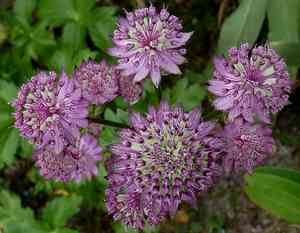
A perennial prized for its star-shaped blossoms and hand-like leaves, Astrantia major thrives with regular removal of spent blooms during its flowering period to encourage continuous blossoming. After flowering, snip off withered flower stalks at their base. In the initial weeks of spring or the latter part of autumn, eliminate aged foliage and trim back clusters to revitalize the plant. Performing these cuts during these times prevents interference with peak development, boosts plant health, and preserves its form. Disinfect instruments to avert the transmission of pathogens.
What Are the Benefits of Pruning Greater Masterwort?
What Are the Benefits of Pruning Greater Masterwort?
Trimming greater masterwort promotes more abundant flowering, encourages vigorous development, and maintains a compact, attractive form. This specific maintenance reduces excess foliage, maximizes light penetration, and improves air circulation, benefiting overall plant health.
What Is the Best Time for Pruning Greater Masterwort?
What Is the Best Time for Pruning Greater Masterwort?
Trimming greater masterwort in early spring allows for the removal of any dead or damaged stems before new growth begins, fostering a healthy and robust growing season. Late fall pruning is beneficial as it enables gardeners to cut back spent flowers and tidy the plant after its growth cycle, preparing greater masterwort for dormancy and minimizing the risk of pest and disease accumulation over winter. These periods are chosen to ensure greater masterwort's energy is directed towards healthy new shoots and blooms during its active growth phase without compromising the floral display.
What Tools Do I Need to Prune Greater Masterwort?
Bypass Pruners
Essential for making clean cuts on greater masterwort's stems without crushing plant tissue, which encourages faster healing.
Gardening Gloves
Protects hands from thorns and plant sap while trimming greater masterwort.
Pruning Shears
Ideal for shaping greater masterwort and snipping off dead or diseased flowers to stimulate new growth.
Handheld Pruning Saw
Useful for cutting through thicker, woody stems of greater masterwort, if present.
Secateurs
Suitable for precise trimming of greater masterwort, allowing for the removal of individual stems without harming surrounding plant parts.
How to Prune Greater Masterwort
Step1: Tool Preparation for Pruning
Gather the necessary tools for trimming greater masterwort, including sharp bypass pruners, gardening gloves, and a compost bag for disposing of the cuttings.
Step2: Identifying Spent Blooms
Inspect greater masterwort for dead flowers. Identify the spent blooms that have completed their flowering cycle and are starting to fade or wilt.
Step3: Cutting Dead Flowers Above Buds
Using your bypass pruners, cut the dead flowers off greater masterwort just above a set of healthy leaves or a new bud. Make clean, angled cuts to promote better healing and reduce the risk of disease.
Step4: Inspecting for Dead Stems
Examine greater masterwort for dead stems, which may appear dry, brittle, or discolored. Check the base of the plant to confirm that they are not producing any new growth.
Step5: Pruning Dead Stems at Base
Trim the dead stems from greater masterwort by cutting them as close to the ground as possible without damaging any nearby healthy stems or foliage. Ensure the cut is clean and straight to facilitate proper healing.
Step6: Shaping the Plant
After removing dead flowers and stems, assess the overall shape of greater masterwort. Trim any irregular or overly long stems to maintain a compact and attractive form, ensuring to make cuts just above a leaf node or side shoot.
Step7: Sanitizing Pruning Tools
Clean the pruners with rubbing alcohol or a 10% bleach solution to prevent the spread of any diseases between plants in your garden.
Step8: Composting Waste Material
Dispose of the dead flowers and stems in a compost bag. Do not leave them on the ground as they can harbor pests or diseases that may affect greater masterwort later.
Step9: Post-Pruning Watering
Water the base of greater masterwort after trimming to help ease any stress on the plant and to encourage new growth.
Step10: Monitoring for Regrowth and Further Pruning
Monitor greater masterwort in the following weeks for new growth and additional dead material that may need to be removed. Regularly deadheading and removing dead stems throughout the growing season can promote more flowers and a healthier plant.
Post-Pruning Care for Greater Masterwort
Post-Pruning Care for Greater Masterwort
Immediately after trimming greater masterwort, it's vital to ensure optimal light exposure, with partial shade being ideal. Maintain a consistent humidity level and avoid extreme temperature fluctuations. Post-trimming, apply a balanced, slow-release fertilizer to support greater masterwort's recovery and growth. Regularly check the trimmed areas for signs of stress, such as wilting or discoloration, which may indicate infection. Promptly remove any affected parts to prevent spread. These steps are crucial for greater masterwort's health and vitality.
Common Pruning Mistakes with Greater Masterwort
Over-pruning Stresses Plants
Excessive trimming can stress greater masterwort, potentially leading to reduced vigor and fewer flowers. Gardeners should be conservative in cutting back and aim to maintain the plant's natural shape.
Neglecting Deadheading Reduces Blooms
Failing to remove wilted flowers or deadheading can result in fewer blooms in the subsequent season, as greater masterwort may invest energy into seed production instead of new growth.
Poor Pruning Tools Can Cause Plant Damage
Using dull or dirty trimming tools can damage the stems of greater masterwort, leading to uneven cuts that are more prone to disease and pest infestation. Always use clean, sharp tools for trimming.
Common Pruning Tips for Greater Masterwort
Deadhead for More Blooms
Remove spent flowers to encourage greater masterwort to produce more blooms and to promote a tidy appearance of the plant throughout the growing season.
Prune in Late Winter for New Growth
In late winter or early spring, cut back the faded flower stems of greater masterwort to the ground to stimulate new growth. Be careful not to cut into the crown of the plant where new shoots may be forming.
Thin Out Stems to Prevent Disease
When thinning out greater masterwort, focus on removing any crowded or crossing stems to improve air circulation and light penetration, which in turn helps prevent disease.



