How to Overwinter Greater masterwort
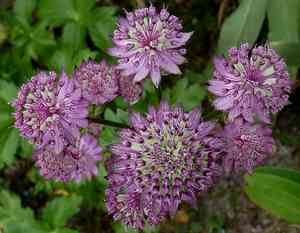
1
Greater masterwort is resilient and thrives in USDA zones 4 to 7.
2
Applying mulch aids in preserving soil dampness and shielding roots from freezing temperatures.
3
Slowly acclimating plants to outdoor environments in spring prevents stress.
Why Overwinter Greater masterwort?
Why Overwinter Greater masterwort?
Overwintering Greater masterwort is crucial for its survival through cold periods and its flourishing in your garden come spring. Although it tolerates frost, this plant benefits from certain preventative actions to avoid potential winter harm. Overwintering helps preserve its vibrant blooms and foliage, ensuring a strong start for the subsequent growing season.
Preparing Greater masterwort for Winter
Pruning and Cleaning the Plant
To get Greater masterwort ready for winter, start by trimming off dead or diseased stems. This promotes vigorous growth and reduces pests. Cut the plant back to approximately 10 cm (4 inches) above the soil line. Clearing away fallen leaves and debris from around the base prevents mold and mildew, leading to a healthier plant when spring arrives.
Soil and Mulching Considerations
Ensuring the soil around your Greater masterwort drains well is vital. Waterlogged soil can lead to root rot, especially in winter. Applying a thick layer of organic mulch, about 5-7.5 cm (2-3 inches) deep, helps insulate the roots and retain soil moisture. Materials such as straw, bark chips, and pine needles are excellent choices for mulch.
Watering Needs Before Winter
Proper hydration is essential before the winter season begins. Reduce watering frequency as temperatures drop to prevent waterlogged soil. However, give your Greater masterwort a thorough watering before the first frost to ensure it has enough moisture for dormancy. This helps the plant endure the dry winter air.
Protecting Greater masterwort from Frost
Using Garden Fabrics and Covers
Utilizing garden fabrics, such as frost blankets or burlap, can offer additional protection against harsh winter conditions. Drape the fabric over the plants, making sure it extends to the soil. Secure it with stakes or rocks to keep it in place. This method creates a microenvironment that shields the plants from sudden temperature fluctuations.
Ideal Locations for Overwintering
Selecting the appropriate spot for overwintering your Greater masterwort can make a significant difference. If feasible, plant it in a sheltered area, such as near a wall or fence, which can provide wind protection and retain some warmth. For potted plants, consider moving them to an unheated garage or a cold frame.
Common Issues When Overwintering Greater masterwort
Identifying and Preventing Frost Damage
Frost damage often manifests as blackened or wilted leaves. To prevent this, ensure your mulch is applied correctly and that frost covers are secure. If damage occurs, trim away the affected parts to prevent further decay. Regularly inspect your plants and be ready to add more protection during unexpected cold snaps.
Pests and Diseases to Watch For
Greater masterwort is generally robust, but overwintering can sometimes lead to pest problems like aphids or spider mites. Check the undersides of leaves and the base of stems for any signs of pests. Using horticultural oil or insecticidal soap can help manage these. Additionally, look out for fungal diseases, typically caused by damp conditions, and apply fungicides if necessary.
Returning Greater masterwort to Active Growth
Gradual Reintroduction to Outdoor Conditions
When spring arrives, gradually reintroduce your Greater masterwort to outdoor conditions to prevent shock. Start by removing any frost covers or garden fabrics and slowly expose the plant to more sunlight and warmer temperatures over one to two weeks. This allows the plant to adapt smoothly to the changing environment.
Post-Winter Care and Maintenance
Once your Greater masterwort is fully reintroduced, continue with regular care practices. Begin watering more frequently as the weather warms, and consider applying a balanced fertilizer to give the plant a nutritional boost. Regularly check for any lingering winter damage and prune as needed to encourage healthy new growth.



