How to Propagate Greater masterwort?
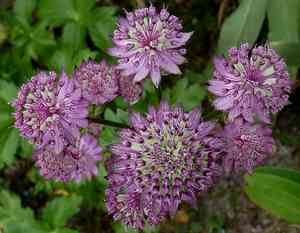
Astrantia major is generally multiplied by planting seeds in the springtime. Its propagation presents a medium level of challenge. Indicators of successful multiplication involve robust root formation. When planting seeds, confirm they are placed at the appropriate depth for best sprouting.
Optimal Time for Greater Masterwort Propagation
Propagation Method
Seeding
Propagation Period
Spring
Tools Required for Greater Masterwort Propagation
Seed trays
Seed trays are vital for initiating greater masterwort seeds. They enable numerous seeds to be sown in a confined space, optimizing area usage. They also aid in maintaining consistent moisture levels and simplifying control over growing conditions.
High-quality potting mix
Asterisks require a well-draining, nutrient-rich medium for successful seed germination. A premium potting mix offers the essential support and nutrients for the initial growth phases of greater masterwort.
Vermiculite
Applying vermiculite over sown seeds helps retain moisture around greater masterwort seeds, while still allowing light penetration, which can be crucial for germination. Vermiculite also assists in preventing mold or fungal growth that could harm delicate seedlings.
Misting bottle
To ensure uniform and gentle watering, a misting bottle can be utilized. It permits delicate moistening of the soil without disturbing greater masterwort seeds, which is critical during the early germination stages.
Heat mat
A heat mat can supply consistent bottom warmth, mimicking a more natural germination environment for greater masterwort. This warmth can significantly enhance the germination success rate.
Grow lights
If natural light conditions are insufficient, grow lights provide the necessary light spectrum for the healthy development of greater masterwort seedlings. They can be adjusted to the correct intensity and duration to simulate natural sunlight.
Dibber or seed sowing tool
This instrument allows for precise sowing of greater masterwort seeds at the correct depth, which is crucial for optimal germination rates. It assists in gently placing seeds into the potting mix without damage.
How to Propagate Greater Masterwort
Propagation Method
Seeding
Difficulty Level
Easy
Caring for Your Newly Propagated Greater Masterwort
Caring for Your Newly Propagated Greater Masterwort
Greater masterwort thrives in partially shaded locations with fertile, moist, and well-drained soil. After planting, water regularly and mulch the soil to retain moisture. Remove spent flowers to encourage more blooms and potentially a second flowering period. In late autumn, cut back faded foliage to neaten the plant. Divide mature clumps of greater masterwort every few years in spring to revitalize and further propagate. Protect greater masterwort from slugs and snails, which can damage young shoots.
Common Errors to Avoid When Propagating Greater Masterwort
Over-watering after division
Excessive moisture can lead to root rot and fungal development. This hinders the greater masterwort's ability to establish a healthy root system post-division and reduces its chances of survival.
Planting divisions too deeply
Deep planting may suffocate the root crown of the greater masterwort, leading to a decline in plant vigor and increased susceptibility to disease.
Ignoring soil structure
Poorly draining or nutrient-deficient soil can negatively impact the root development of greater masterwort. Compacted soil also restricts root expansion and water penetration, which are vital for the new plants' growth.
Neglecting to harden off transplants
Failure to gradually acclimate divisions or seedlings to outdoor conditions can result in shock, which may weaken or kill greater masterwort due to sudden changes in temperature, light, and wind.
Overlooking post-transplant care
Insufficient watering, protection from pests, and fertilization after transplanting can lead to stress and poor establishment of greater masterwort.
Tips for Propagating Greater Masterwort
Root division timing
Divide greater masterwort in early spring or late summer when the plant is not actively blooming for better root establishment with less stress on the plant.
Soil preparation
Enrich the soil with well-rotted organic matter before planting divisions to enhance structure and fertility, which will benefit greater masterwort's root growth.
Appropriate depth and spacing
Plant divisions at the same depth they were previously grown and space them adequately to ensure sufficient air circulation and room for growth.
Gradual acclimatization
Harden off greater masterwort transplants over a week or more to adjust them to fluctuations in outdoor conditions, thereby reducing the risk of transplant shock.
Consistent care
Monitor soil moisture to ensure it remains damp but not waterlogged. Mulching can help retain moisture and suppress weeds that would compete with greater masterwort. Also, provide a balanced slow-release fertilizer to encourage healthy growth.



