How to Transplant Sprenger's asparagus fern?
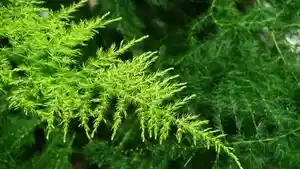
The ideal period for relocating sprenger's asparagus fern spans from the middle of spring to the beginning of summer. Select a site featuring soil that drains effectively, partial shade, and sufficient room for expansion. Carefully loosen the root mass during transplantation to foster successful integration, yet refrain from disrupting any fragile roots.
What Preparations are Needed Before Transplanting Sprenger's Asparagus Fern?
What is the Ideal Time for Transplanting Sprenger's Asparagus Fern?
The optimal period to relocate sprenger's asparagus fern spans from mid-spring to early summer. This timing is advantageous as these plants flourish during this season due to prime growing conditions. You'll find that sprenger's asparagus fern will establish itself more robustly, leading to vigorous and healthy development. Notably, this timeframe offers the precise warmth and ample light that sprenger's asparagus fern requires to thrive. Thus, for sprenger's asparagus fern, spring through early summer is undeniably the best time for transplantation.
How Much Space Should You Leave Between Sprenger's Asparagus Fern Plants?
To ensure robust development for your lovely sprenger's asparagus fern, allow ample room for each plant when transplanting. Position them approximately 12-18 inches (30-45 cm) apart from one another.
What is the Best Soil Mix for Sprenger's Asparagus Fern Transplanting?
For your sprenger's asparagus fern, it's best to prepare a well-draining soil blend that incorporates organic matter such as compost or aged manure. Remember to include a foundational fertilizer, like a balanced slow-release granular option, for proper nourishment.
Where Should You Relocate Your Sprenger's Asparagus Fern?
Your sprenger's asparagus fern will flourish in a location receiving partial shade to full sunlight. Bear in mind that in warmer climates, a bit more shade can be advantageous to prevent scorching the plant's delicate foliage.
What Equipments Should You Prepare Before Transplantation Sprenger's Asparagus Fern?
Gardening Gloves
To safeguard your hands while handling soil and plants.
Shovel or Spade
For digging the transplant hole and extracting the plant from its original spot.
Pruning Shears
To trim any dead or damaged fronds or roots prior to transplanting.
Watering Can or Hose
To irrigate the plant during and after the transplanting procedure.
Organic Compost or Well-rotted Manure
To enrich the soil and bolster plant vitality.
Stakes or Supports
Optional, for larger sprenger's asparagus fern plants that might need stabilization post-transplant.
How Do You Remove Sprenger's Asparagus Fern from the Soil?
How Do You Remove Sprenger's Asparagus Fern from the Soil?
From Ground: First, hydrate the sprenger's asparagus fern plant to moisten the soil. Next, excavate a wide trench around the plant using a shovel or spade, ensuring the plant's root ball remains intact. Carefully work the spade beneath the root ball to lift the plant from its initial position.From Pot: Water the sprenger's asparagus fern plant, then tap the pot's edges to loosen the soil or gently compress flexible containers. Tilt the pot and carefully slide the plant out, striving not to disturb the roots. Hold the plant by its base, rather than its fronds, to prevent harm.From Seedling Tray: Gently press the soil around the base of the sprenger's asparagus fern plant with your fingers to loosen it. Use a small trowel or your hands to carefully lift the seedling from the tray, taking care not to damage the roots.
Step-by-Step Guide for Transplanting Sprenger's Asparagus Fern
Plant Inspection
Examine the sprenger's asparagus fern plant, removing any dead or damaged fronds with pruning shears. Trim any unhealthy roots as well.
Hole Preparation
Dig a hole at the new planting site, twice the width of the root ball and as deep as the root ball's height. Blend some organic compost or well-rotted manure into the excavated soil to create a nutrient-rich planting mixture.
Plant Placement
Carefully lower the sprenger's asparagus fern plant into the hole, ensuring the top of the root ball is level with the surrounding soil. Gently spread the roots and begin to backfill the hole with the amended soil.
Watering
Thoroughly water the sprenger's asparagus fern plant, allowing the water to settle the soil around the roots. Add more soil if needed, avoiding air pockets around the roots that can lead to root rot.
Staking (Optional)
For larger sprenger's asparagus fern plants that may require support, install stakes or supports around the plant now. Loosely tie the plant to the support using soft string or fabric.
How Do You Care For Sprenger's Asparagus Fern After Transplanting?
Watering
Keep the soil around the sprenger's asparagus fern consistently damp, but not waterlogged, for the initial few weeks post-transplant to aid in establishing robust roots.
Mulching
Apply a layer of organic mulch around the base of the sprenger's asparagus fern to help retain moisture, regulate soil temperature, and inhibit weed growth.
Feeding
After four to six weeks, begin to nourish the sprenger's asparagus fern with a balanced, slow-release fertilizer according to package directions to encourage healthy development.
Pruning
Regularly remove any dead or damaged fronds to maintain the health and aesthetic appeal of the sprenger's asparagus fern.
Troubleshooting Common Issues with Sprenger's Asparagus Fern Transplantation.
What is the ideal time to transplant sprenger's asparagus fern?
To ensure sprenger's asparagus fern's successful relocation, aim to perform it from mid-spring to the beginning of summer.
What should be the ideal spacing while transplanting sprenger's asparagus fern?
When transplanting sprenger's asparagus fern, ensure a generous spacing of approximately 12-18 inches (30-45 cm) between each plant.
How to prepare the soil for sprenger's asparagus fern before transplanting it?
Sprenger's asparagus fern prefers well-drained, fertile soil. Loosen the soil with a spade to about 12 inches (30 cm) deep and remove any weeds.
What is the best watering strategy after transplanting sprenger's asparagus fern?
Water sprenger's asparagus fern thoroughly immediately after transplanting. Afterward, keep the soil slightly moist until the plant is fully established.
Should I fertilize sprenger's asparagus fern immediately after transplanting?
Wait at least two weeks after transplanting sprenger's asparagus fern before applying any fertilizer. This allows the roots time to settle into the new environment.
Should I cut back my sprenger's asparagus fern before transplanting?
Trimming back sprenger's asparagus fern before transplanting can help it focus energy on root development. Reserve significant pruning until your plant is well established.
What signs of stress should I watch for after transplanting sprenger's asparagus fern?
Look for wilting, discoloration, or dropped foliage. Persistent signs of stress may indicate that your sprenger's asparagus fern requires adjustments in post-transplantation care.
Can I transplant sprenger's asparagus fern in a container?
Absolutely! Sprenger's asparagus fern thrives in pots. Just ensure the container is sufficiently large to accommodate growth and has adequate drainage.
How deep should the hole be when transplanting sprenger's asparagus fern?
Dig a hole that is twice as wide and just as deep as the root ball. This provides ample space for sprenger's asparagus fern to spread its roots.
Should I mulch around sprenger's asparagus fern after transplanting?
Applying a layer of mulch around sprenger's asparagus fern can help retain soil moisture and suppress weeds, which is beneficial for new transplants. But remember, never pile it against the stems.



