How Much Sunlight Do Sprenger's asparagus fern Need?
1
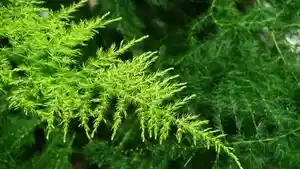
Sprenger's asparagus fern flourishes optimally in partial sunlight, needing approximately 3-6 hours of daily sun exposure.
2
Intense direct sun exposure can lead to scorched foliage, making indirect light a safer option.
3
Complete shade is acceptable, though the plant's development may be hindered.
Optimal Illumination Conditions for Sprenger's asparagus fern
Grasping Light Strength
Sprenger's asparagus fern thrives in medium light levels. Envision a bright day with sunlight diffused by thin drapes; this represents the perfect setting for this plant. Light strength impacts the plant's capacity for efficient photosynthesis, and while adaptable, it flourishes in conditions mirroring its native environment.
Duration of Light Exposure
Aim to provide your Sprenger's asparagus fern with approximately 3 to 6 hours of daylight daily. This duration balances sufficient light for development with avoiding excessive exposure, which can harm its foliage. Consistency is vital; strive for a regular light schedule to maintain your plant's health.
Indirect vs. Direct Sun Exposure
While Sprenger's asparagus fern can tolerate both indirect and direct sun, it prefers indirect light. Direct sun can scorch its delicate leaves, resulting in unattractive brown spots. Positioning your fern near a north or east-facing window ensures it receives gentle morning light, which is ideal for its growth.
How to Determine Appropriate Light Levels for Sprenger's asparagus fern
Visual Cues
One of the simplest methods to assess if your Sprenger's asparagus fern is getting adequate light is by observing its appearance. Healthy foliage should exhibit a vibrant green hue. If leaves begin to yellow or develop brown tips, it may indicate either too much or too little light.
Utilizing a Light Meter
For more precise measurement, consider employing a light meter. These devices quantify the light in a specific area and can help ascertain if your fern's placement is suitable. Aim for readings between 1000 and 2000 lux to replicate ideal conditions.
Monitoring Plant Vitality
Regularly observe the health of your Sprenger's asparagus fern by checking for new growth and examining the overall look of its leaves. A thriving plant will display consistent, steady development and maintain rich coloration. Adjust its position if you notice any signs of distress.
Best Locations for Placing Sprenger's asparagus fern
Indoor Placement
Indoors, position your Sprenger's asparagus fern near a window that receives moderate sunlight. North and east-facing windows are typically optimal. Ensure the plant is not in the path of intense afternoon sun, which can be too strong.
Outdoor Placement
When placing your fern outdoors, find a spot that offers partial shade. A location beneath a tree canopy or an area that gets filtered sunlight throughout the day is perfect. The fern can endure full shade but might grow more slowly.
Seasonal Adjustments
Adjust the placement of your Sprenger's asparagus fern with the seasons. During summer, shield it from harsh midday sun by providing additional shade. In winter, consider moving it to a brighter spot to compensate for shorter daylight hours.
Common Sunlight Issues and Remedies
Indicators of Excessive Sunlight
If your Sprenger's asparagus fern is receiving too much sunlight, you'll observe browning or crispy edges on its leaves. The plant may also appear scorched or bleached, losing its vivid green color. Relocate the plant to a shadier spot if these symptoms emerge.
Indicators of Insufficient Sunlight
Conversely, inadequate sunlight will manifest as leggy growth, with the plant stretching towards the nearest light source. The leaves may become pale, and the plant's overall vigor will diminish. Move the fern to a brighter location to rectify this issue.
Solutions for Light-related Problems
To resolve light-related problems, gradually modify the plant's location. Introduce more or less light incrementally to prevent shocking the plant. Using sheer curtains to filter sunlight can help regulate light intensity indoors. For outdoor plants, consider using shade cloth during peak sunlight hours.



