How to Overwinter Sprenger's asparagus fern
1
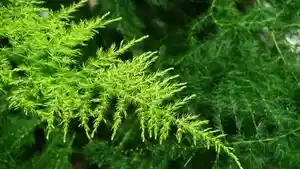
Sprenger's asparagus fern is a moderately hardy plant, capable of enduring mild frost but requiring shelter from severe cold.
2
Begin winter preparations for your Sprenger's asparagus fern in early fall.
3
Maintaining your plant in temperatures ranging from 13-18°C (55-65°F) can promote its indoor well-being throughout winter.
Why is Overwintering Important for Sprenger's asparagus fern?
Why is Overwintering Important for Sprenger's asparagus fern?
Protecting your Sprenger's asparagus fern during winter is vital because it's a semi-hardy plant. This means it can endure minor frost, but extended exposure to freezing temperatures can severely harm its health. By relocating the plant indoors or providing sufficient protection, you guarantee its survival through the cold months and its continued flourishing in spring. Furthermore, proper winter care prevents problems like yellowing foliage, root decay, and pest outbreaks, thus encouraging more robust growth and a healthier plant overall.
How to Prepare Sprenger's asparagus fern for Overwintering
Inspecting the Plant for Health Issues
Before bringing your Sprenger's asparagus fern inside, it's crucial to examine it for any health concerns. Look for indications of pests or diseases, such as discolored leaves, unusual spots, or wilting. Remove any affected parts and treat the plant with a suitable pesticide or fungicide, if needed. This initial check helps stop the spread of problems to other indoor plants and ensures a healthier indoor setting for your fern.
Trimming and Pruning the Foliage
Trimming your fern is a key step in the overwintering process. Start by cutting off any dead, damaged, or yellowing fronds. This not only helps the plant conserve energy during the colder months but also promotes new growth in the spring. Use clean, sharp scissors or pruners for precise cuts, and be gentle to avoid causing unnecessary stress to the plant.
Cleaning the Pot and Soil
Cleaning the container and refreshing the growing medium can greatly benefit your Sprenger's asparagus fern as you get it ready for winter. Begin by gently taking the plant out of its pot and checking the roots for any signs of rot or disease. Trim away any unhealthy root sections. Rinse the pot with a mild bleach solution to eliminate any lingering pests or bacteria, then refill it with fresh, well-draining soil. Replant your fern, ensuring the roots are well-covered and the plant is stable.
Creating the Ideal Indoor Environment for Overwintering
Choosing the Right Location
Selecting an appropriate spot inside your home is essential for the successful overwintering of your Sprenger's asparagus fern. Seek out a location that receives indirect sunlight and is away from drafts, heating units, and direct sources of cold air. A north or east-facing windowsill is often perfect, as it offers the right balance of light without exposing the plant to harsh conditions.
Maintaining Optimal Temperature and Humidity
Temperature and moisture levels are vital for your fern's health during winter. Aim to keep the indoor temperature between 13-18°C (55-65°F) and maintain a humidity level of approximately 50%. You can use a humidifier or place a tray of water near the plant to increase humidity. Avoid positioning the plant near heat sources, which can dry out the air and stress the fern.
Adjusting Watering Practices
Watering frequency should be modified during the winter months. Sprenger's asparagus fern prefers slightly dry conditions when it is not actively growing, so reduce watering to prevent root rot. Water the plant when the top 2-3 cm (1 inch) of soil feels dry, ensuring the pot has drainage holes to prevent waterlogging. Overwatering is a common issue during winter, so be careful and err on the side of caution.
Providing Adequate Light
While Sprenger's asparagus fern can tolerate low light, it thrives best with sufficient, indirect sunlight. Ensure the plant receives about 6 hours of light daily. If natural light is insufficient, consider using a grow light to supplement. Position the light approximately 30 cm (12 inches) above the plant, and use a timer to mimic natural daylight hours, promoting healthy growth and preventing the fern from becoming leggy.
Common Problems During Overwintering and Solutions
Dealing with Yellowing Leaves
Yellowing foliage can indicate various issues, such as excessive watering, insufficient watering, or inadequate light. Check the soil moisture level and adjust your watering schedule accordingly. Ensure the plant receives adequate indirect light. If yellowing persists, inspect for pests or diseases and treat as necessary.
Preventing Root Rot
Root rot is a frequent problem during winter, often caused by overwatering. Ensure your plant is in a pot with proper drainage and use a well-draining soil mix. Water sparingly, allowing the soil to dry out slightly between waterings. If you notice soggy soil or a foul odor, repot the fern with fresh soil and remove any affected roots.
Managing Pest Infestations
Pest infestations like spider mites or aphids can flourish in indoor environments. Regularly inspect your Sprenger's asparagus fern for signs of pests. If detected, isolate the plant and treat it with an appropriate insecticidal soap or neem oil. Maintaining high humidity and ensuring proper air circulation can help prevent infestations.



