How to Prune Sprenger's asparagus fern?
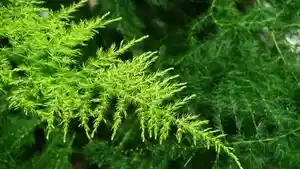
Sprenger's asparagus fern, a vigorous, perennial evergreen featuring arching, plume-like fronds, benefits most from pruning in early spring or late winter. Remove any withered or discolored fronds at their base to stimulate new development. Snip off any stray stems to preserve its form and fullness. For propagation or to manage its expansion, divide the root tubers. Consistent trimming enhances air movement and the plant's vitality. Note its tendency to spread; manage its growth through scheduled pruning.
What Are the Benefits of Pruning Sprenger's Asparagus Fern?
What Are the Benefits of Pruning Sprenger's Asparagus Fern?
Trimming sprenger's asparagus fern promotes robust development and preserves its intended shape. Consistent cutting prevents excessive growth, fosters a dense, fuller look, and rejuvenates sprenger's asparagus fern, ensuring an appealing, thriving specimen.
What Is the Best Time for Pruning Sprenger's Asparagus Fern?
What Is the Best Time for Pruning Sprenger's Asparagus Fern?
These periods are considered optimal because sprenger's asparagus fern typically enters a dormant phase during colder months, making late winter ideal for pruning without causing plant stress. Pruning at this time helps avoid cutting new growth emerging in spring. By early spring, frost risks have passed in most regions, offering a window to shape sprenger's asparagus fern before its active growth phase, leading to healthier, more controlled development throughout spring and summer.
What Tools Do I Need to Prune Sprenger's Asparagus Fern?
Bypass Pruners
Perfect for making clean cuts through slender stems, minimizing harm to the remaining parts of sprenger's asparagus fern.
Gloves
Protection from the small thorns sprenger's asparagus fern might possess, crucial for preventing irritation or injury during trimming.
Pruning Saw
Essential for cutting through thicker, woodier branches that may develop on mature sprenger's asparagus fern specimens.
Garden Scissors
Useful for precise trimming of sprenger's asparagus fern's delicate foliage and for reaching into denser areas without harming surrounding stems or leaves.
Long-Sleeved Shirt
To shield skin from potential scrapes or irritation when reaching into sprenger's asparagus fern's thick growth.
How to Prune Sprenger's Asparagus Fern
Step1: Identify Parts Needing Pruning
Pinpoint the sections of sprenger's asparagus fern that require trimming. Focus on yellowed leaves and damaged stems, which are common signs of parts needing removal to encourage healthy growth and enhance the plant's appearance.
Step2: Sanitize Pruning Tools
Disinfect your pruning tools. Use a solution of one part bleach to nine parts water to sterilize your shears before you begin trimming. This prevents the spread of disease to healthy parts of sprenger's asparagus fern.
Step3: Pre-pruning Hydration
Water sprenger's asparagus fern the day prior to your planned pruning. This ensures the plant is well-hydrated and less stressed, making it more resilient to the trimming process.
Step4: Remove Yellow Leaves
Begin by removing yellowed leaves. Gently pull the leaf at its base where it connects to the stem. If it doesn't detach easily, use your sanitized pruning shears to make a clean cut at the base of the yellow leaf without harming nearby healthy foliage.
Step5: Prune Damaged Stems
Trim damaged stems. Look for stems that are broken, excessively bent, or show signs of illness. Cut these stems back to a healthy section, making the cut 1/4 inch above a leaf or node to stimulate new growth.
Step6: Thin for Airflow and Light
Thin out dense areas of sprenger's asparagus fern to improve air circulation and reduce disease risk. Carefully select and remove some stems, cutting just above a node where new growth can emerge. This will also help light penetrate the plant's interior.
Step7: Plant Shaping Guidelines
Shape sprenger's asparagus fern as desired, but do not remove more than one-third of the plant material at once. This can stress the plant and diminish its vigor.
Step8: Debris Cleanup
Clear away all cuttings from around sprenger's asparagus fern to deter pests and diseases from breeding in the discarded plant matter.
Step9: Post-Pruning Monitoring
Observe the plant after pruning for signs of new growth. Trimming typically stimulates sprenger's asparagus fern, and you should see new shoots within a few weeks. If not, assess light, water, and nutrient needs to ensure the plant is properly cared for.
Step10: Watering After Pruning
Finally, maintain a consistent watering schedule for sprenger's asparagus fern after pruning, being careful to avoid overwatering, which can lead to root rot and other issues.
Post-Pruning Care for Sprenger's Asparagus Fern
Post-Pruning Care for Sprenger's Asparagus Fern
Immediately after trimming sprenger's asparagus fern, ensure clean cuts to prevent infection. In the following weeks, provide moderate indirect light, stable temperatures of 65-75°F, and high humidity to aid recovery. Water to keep soil consistently moist but not waterlogged. Apply a balanced, water-soluble fertilizer monthly to encourage growth. Monitor sprenger's asparagus fern for yellowing leaves or stunted growth, indicating stress. Should signs of infection like dark spots or wilting appear, isolate the plant and treat with fungicide.
Common Pruning Mistakes with Sprenger's Asparagus Fern
Over-Pruning and Hindering Growth
Trimming too aggressively, which can shock sprenger's asparagus fern and potentially impede its growth. Gardeners sometimes remove too much of the plant at once, not realizing that a lighter touch is often sufficient to maintain shape and vigor.
Ignoring Dead Fronds Leads to Pests/Diseases
Failing to remove dead or yellowing fronds, which can result in pest infestations and diseases. Timely removal of these parts is crucial for the health of sprenger's asparagus fern.
Damage from Dull/Dirty Pruning Tools
Using dull or unclean pruning tools, which can cause damage and introduce disease to sprenger's asparagus fern. Sharp, clean tools make precise cuts and help prevent infection.
Disregarding Plant's Natural Growth Shape
Pruning without considering the arching form of sprenger's asparagus fern's growth, which can lead to an unnatural appearance. Understanding its growth pattern is essential to preserve the plant's aesthetic appeal.
Over-Pruning Neglects Natural Shedding Process
Forgetting to account for the plant's natural shedding process, resulting in excessive pruning. Sprenger's asparagus fern typically sheds some older growth naturally, and recognizing this can help determine how much to trim.
Common Pruning Tips for Sprenger's Asparagus Fern
Sterilize Tools to Prevent Disease
Disinfect pruning tools before and after use to prevent the spread of disease to or from sprenger's asparagus fern. Regular tool cleaning is a fundamental practice for plant health.
Remove Only Dead/Weak Fronds for Plant Health
Focus on removing only dead, yellow, or weak fronds to maintain the health and appearance of sprenger's asparagus fern. This targeted approach encourages vigorous growth and reduces stress on the plant.
Cut Fronds at Base to Encourage Growth
Cut fronds at their base near the soil line or close to the main stem to encourage new growth while preserving the natural form of sprenger's asparagus fern. Avoid leaving stubs, which can be unsightly and attract pests.
Subtle Shaping for Desired Size/Form
If shaping is necessary, trim the longer fronds to maintain the desired form and size. Subtle shaping is often all that is needed for sprenger's asparagus fern to look neat and well-maintained.
Adequate Water and Fertilizer Post-Pruning
After pruning, provide sufficient water and consider a balanced, slow-release fertilizer to support recovery and growth of sprenger's asparagus fern. Proper post-pruning care ensures the plant remains vibrant.



