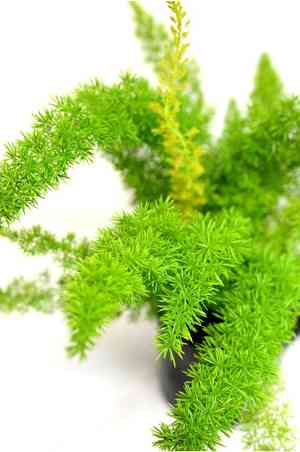
Sprenger's asparagus fern(Asparagus aethiopicus)

Sprenger's asparagus fern (Asparagus aethiopicus)

Also known as: Asparagus fern, African asparagus

Asparagus aethiopicus, also known as asparagus fern, is a plant species originating from South Africa. Despite its name, it is not a true fern but is valued for its decorative foliage in gardens and homes. Named after Carl Ludwig Sprenger, who helped popularize its use as an ornamental plant, asparagus fern is also known for its invasive tendencies in certain areas like Australia and New Zealand, where it can outcompete native species and disrupt local ecosystems.

Attributes of Sprenger's asparagus fern

Lifespan
Perennial
Plant Type
Herb
Plant Height
2 m to 3 m
Spread
30 cm to 90 cm
Leaf Color
Green Blue
Flower Size
3 mm to 5 mm
Flower Color
White Yellow Pink Green

ForwardPlant - Identify plants with a snap

Identify and diagnose plants, get toxicity alerts, and explore safety guides for all types of fungi.

Try for Free

Images of Sprenger's asparagus fern

Sprenger's asparagus fern(Asparagus aethiopicus)

Quickly Identify Sprenger's asparagus fern

1
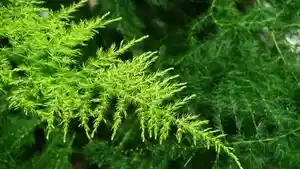
The plant is characterized by its soft, needle-like leaves that grow in clusters. It has arching stems and produces small, white to pale pink flowers. Look for red berries that appear after the flowering period.

Scientific Classification of Sprenger's asparagus fern

Phylum
Vascular plants
Class
Monocotyledons
Order
Asparagales
Family
Asparagus
Genus
Asparagus
Species
Sprenger's asparagus fern

Planting and Growing of Sprenger's asparagus fern

Care Difficulty
Easy
Watering Schedule
Every 2 days
Sunlight Requirements
Partial sun
Sunshine Duration
4-8 hours
Ideal Temperature
65-75℉
Soil Type
Potting Mix, Peat Mix
Soil pH
6.5-7.5
Fertilizer Type
Balanced
Pruning Season
Spring, Summer
Pruning Area
Branches, Leaves
Pruning Frequency
2 times a year
Repotting Season
Spring
Pot Type
Plastic, Terracotta

water icon How to Water Sprenger's asparagus fern?

Water the Asparagus aethiopicus until the soil feels evenly moist, but not saturated. A thorough watering once ensures the roots receive enough moisture without being waterlogged. Gauge the soil moisture to an inch deep to determine further watering is necessary.
What are the symptoms of an underwatered Sprenger's asparagus fern?
What should I do if my Sprenger's asparagus fern is not getting enough water?
What are the symptoms of an overwatered Sprenger's asparagus fern?
How to save an overwatered Sprenger's asparagus fern?
More About Watering Techniques

sunlight icon What Are the Sunlight Requirements for Sprenger's asparagus fern?

Sunlight Requirements: Partial sun
Duration of light: Filtered light, 3-4 hours
The Asparagus aethiopicus thrives best in partial sun exposure, where it receives filtered light for part of the day. This exposure ensures the plant maintains its vitality and a lush appearance.
What is the optimal light for Asparagus aethiopicus?
How can optimal lighting be achieved?
What are the benefits of ideal lighting conditions?
More About Sunlight Requirements Techniques

temperature icon What Is the Ideal Temperature Range for Sprenger's asparagus fern?

Ideal Temperature: 65 ~ 75℉
Asparagus aethiopicus thrives best in temperatures between 65°F to 75°F. This range ensures optimal growth and health of the plant by providing a stable environment that supports its physiological processes. Maintaining this range helps in achieving lush, green foliage and robust plant development.

soil icon What Soil is Best for Sprenger's asparagus fern?

Soil type: Sandy soil, Loam, Sandy loam
Soil PH: 6.5 ~ 7.5
Asparagus aethiopicus thrives in well-drained soil that prevents waterlogging, ensuring its roots receive sufficient oxygen. This condition is vital as it avoids root rot, promoting healthy growth and vibrant, lush foliage. This plant does not require overly fertile soil; moderate fertility is sufficient. A soil rich in organic matter supports growth by providing essential nutrients without overwhelming the root system. Preferring a pH between 6.5 to 7.5, Asparagus aethiopicus can absorb nutrients efficiently. This range supports enzyme activity in the roots, enhancing nutrient uptake and overall plant health. More About Soil

fertilize icon How to Fertilize Sprenger's asparagus fern?

Fertilizer type: Balanced
Asparagus aethiopicus prefers a balanced fertilizer. For liquid fertilizers, use a dilution rate of 1 tablespoon per gallon of water. Ensure it's evenly spread around the base. For slow-release granules, approximately 1 to 1.5 tablespoons per plant is sufficient. More About Fertilizing Techniques

prune icon How to Prune Sprenger's asparagus fern?

Pruning Time: Spring, Summer, Autumn
Start by identifying the stems and leaves that are yellowing, damaged, or overgrown. These are the parts you will want to focus on removing to promote healthy plant development. Cut back any overgrown stems to your desired shape, leaving at least a few inches of stem above the soil. This will encourage new growth and help maintain a full and lush appearance. Carefully remove yellow or dead leaves by pruning them close to the base. This prevents the plant from wasting energy on dead tissues and allows it to focus on healthy foliage. More About Pruning Techniques

propagate icon How to Propagate Sprenger's asparagus fern plant?

Propagate Time: Spring,Early summer
1
Choose a healthy parent plant with no signs of disease or pest infestation. Use sharp, sterilized tools to cut a healthy section of the stem, or split a portion if you are using division.
2
Use well-draining soil mixed with sand or perlite for cuttings and seeds. The soil should be slightly moist without being waterlogged to prevent root rot and support healthy development.
3
Place the propagation tray in a warm, well-lit area away from direct sunlight. A humidity dome or plastic cover can help maintain adequate moisture for the initial growth stages.
More About Propagating Techniques

repot icon How to Repot Sprenger's asparagus fern plant?

Repotting frequency: Every 1-2 years
1
Asparagus aethiopicus shows readiness for repotting when roots outgrow their container, often visible through drainage holes, or when growth significantly slows. Spring or early summer is ideal to minimize transplant shock.
2
Select a pot just one size larger with adequate drainage. A slightly larger pot accommodates growth without waterlogging, ensuring roots receive sufficient aeration for optimal development.
3
Utilize a well-draining potting mix, ideally enriched with organic matter. This soil type balances moisture retention with aeration, providing essential nutrients while preventing overwatering and rot.
More About Repotting Techniques

ForwardPlant - Identify plants with a snap

Find the best spots for them to optimize their health, simply using your phone.

Try for Free

Toxicity of Sprenger's asparagus fern

Is Sprenger's asparagus fern toxic to cat?

Sprenger's asparagus fern is regarded as poisonous to cats, posing a threat if ingested unintentionally. Although the exact toxic components are not clearly identified, it is the fruit portion of the sprenger's asparagus fern that contains potential hazards. If a cat consumes any part of it, they may show signs of physical distress or illness, which can escalate in severity based on the amount ingested. It is vital for cat owners to supervise their pets and restrict access to the fruits of sprenger's asparagus fern. If a cat exhibits any unusual behavior or symptoms indicative of poisoning, swift veterinary care is crucial, as timely intervention is key to ensuring recovery.

Is Sprenger's asparagus fern toxic to dog?

Sprenger's asparagus fern is regarded as harmful to dogs. This plant can poison dogs if they accidentally ingest it, especially the fruits, which are notably toxic. After consuming portions of Sprenger's asparagus fern, a dog might show symptoms such as vomiting, diarrhea, and stomach discomfort. It is essential for dog owners to recognize these warning signs of toxicity and to prevent their pets from accessing this plant. Should a dog consume Sprenger's asparagus fern, it is vital to obtain prompt veterinary attention to tackle any health complications that might result from the poisoning.

Identify toxic plants for your safety

Learn which plants are harmful to you and your pets, and make informed choices for a safer home!

Try for Free
WARNING
The judgment on toxicity and danger is for reference only. We DO NOT GUARANTEE any accuracy of such judgment. Therefore, you SHALL NOT rely on such judgment. It is IMPORTANT TO SEEK PROFESSIONAL ADVICE in advance when necessary.
More About Toxic Techniques