How to Transplant Rush milkweed?
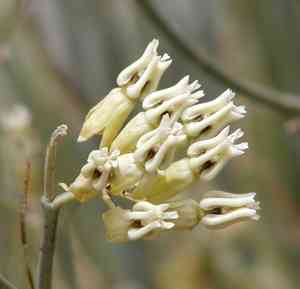
The optimal period for relocating rush milkweed is within the balmy span of late spring through mid-summer, facilitating a smooth adjustment. Select a location that receives ample sunlight and drains effectively, and if moving the plant, proceed cautiously to protect its fragile root structure.
What Preparations are Needed Before Transplanting Rush Milkweed?
What is the Ideal Time for Transplanting Rush Milkweed?
Moving rush milkweed during the onset of warm periods, such as late spring or early summer, ensures root establishment in mild soil. This timing promotes vigorous growth for rush milkweed, allowing it to flourish with optimal warmth and increasing daylight. By selecting these periods, rush milkweed benefits from balanced moisture and temperature, facilitating a successful transition and thriving development.
How Much Space Should You Leave Between Rush Milkweed Plants?
For rush milkweed, maintain a proper spacing of 2-3 feet (60-90 cm) between each plant when relocating. This provides ample room for them to expand as they mature, ensuring robust and healthy plants!
What is the Best Soil Mix for Rush Milkweed Transplanting?
Your rush milkweed will thrive in well-drained soil enriched with organic matter. You can prepare a soil blend of sand, clay, and compost. Before transplanting, incorporate a balanced base fertilizer to nourish the young plants.
Where Should You Relocate Your Rush Milkweed?
Remember, rush milkweed loves sunlight! Choose a brightly lit spot that offers at least 6 hours of direct sun daily. This will help your plant grow strong and produce abundant blooms. Happy gardening!
What Equipments Should You Prepare Before Transplantation Rush Milkweed?
Gardening Gloves
To safeguard your hands while handling soil and the rush milkweed plant.
Garden Trowel
Essential for excavating the hole for the new placement of rush milkweed.
Gardening Spade
This will be necessary for digging out rush milkweed from its original spot.
Watering Can
You will need to hydrate rush milkweed both prior to and following the transplanting process.
Mulch
This will safeguard rush milkweed and assist its roots in retaining moisture after relocation.
Pruning Shears
These might be needed to trim any damaged or diseased parts of rush milkweed to ensure its health in the new location.
How Do You Remove Rush Milkweed from the Soil?
How Do You Remove Rush Milkweed from the Soil?
From Ground: Ensure you water rush milkweed at least one to two hours before the transplant process begins. This will soften the soil and make the roots more flexible. Then, with a spade, begin digging a wide circle around rush milkweed. Maintain a good distance from the main stem to prevent root system damage. Gradually move inward, lifting the soil until you can gently extract the root ball.From Pot: Start by watering rush milkweed in its container. Lay the pot on its side and carefully ease rush milkweed out. Avoid pulling rush milkweed by its stems as this could cause harm. Instead, try to grasp the root ball and coax it out.From Seedling Tray: Water the tray thoroughly so the soil is moist. This will facilitate easier removal of rush milkweed. With your fingers, reach beneath the tray and push rush milkweed out of its compartment. You should hold rush milkweed by its leaves, not the stem.
Step-by-Step Guide for Transplanting Rush Milkweed
Preparation
Before transplanting, water rush milkweed thoroughly, ideally the evening before or a few hours prior. This ensures the plant is well-hydrated, making it more resilient to potential root damage.
Digging the Hole
Using your trowel, excavate a hole that is twice as wide and as deep as the root ball of rush milkweed. This provides ample space for the roots to spread.
Placing the Plant
Position rush milkweed in the hole, ensuring it sits at the same depth as it was in its previous location. Spread the roots out within the hole.
Backfill and Firm
Return the soil to the hole, compacting it firmly around the roots of rush milkweed. Avoid stepping on the filled soil as this can compact it and hinder root expansion.
Watering and Mulching
After transplanting, water rush milkweed thoroughly and then apply mulch around the base of the plant. This will help retain moisture, suppress weeds, and maintain a consistent soil temperature.
How Do You Care For Rush Milkweed After Transplanting?
Regular Hydration
Rush milkweed requires ample water immediately after transplant, but avoid overwatering. Ensure the soil remains moist, not waterlogged.
Mulching
Maintain a consistent layer of mulch around rush milkweed to help the soil retain moisture and inhibit weed growth.
Root Growth Encouragement
Consider using a root stimulator that may aid rush milkweed in establishing its root system in the new location more quickly.
Monitoring
Keep a close watch on rush milkweed, especially during its initial weeks. Look for signs of transplant shock, such as wilting or yellowing leaves, and take appropriate action.
Troubleshooting Common Issues with Rush Milkweed Transplantation.
When is the best time to transplant rush milkweed?
The most opportune period for transplanting rush milkweed is typically between late summer and early fall. This corresponds to the timeframe you'd label 'S3-S5'.
What should be the proper distance between rush milkweed plants?
To allow for growth, position rush milkweed plants 2-3 feet apart (approximately 60-90cm). This will give them sufficient space to thrive without competing for resources.
Why is my rush milkweed not thriving after transplanting?
Common issues can include excessive watering, insufficient sunlight, or transplanting at an unsuitable time. Remember, rush milkweed prefers the warmth of late summer to early fall for relocation.
How should I prepare the soil before transplanting rush milkweed?
Rush milkweed favors well-drained soil. Therefore, before transplanting, amend the soil with organic matter or compost to enhance drainage and nutrient content.
How should I water rush milkweed after transplanting?
Water rush milkweed moderately after transplanting. Too much water can suffocate the roots. Allow the soil to dry slightly between waterings.
Why does rush milkweed appear droopy after transplanting?
Droopiness can indicate transplant shock. Ensure rush milkweed is adequately hydrated and exposed to optimal sunlight. Give it time to adjust to its new surroundings.
Can rush milkweed be transplanted in the spring?
While possible, transplanting rush milkweed in spring is not advised due to the plant's preference for slightly warmer weather, such as late summer to early fall (S3-S5).
What is the best temperature for transplanting rush milkweed?
Rush milkweed is a resilient plant, but it prefers a temperature range between 70-85°F (21-29°C) for successful transplanting, typically achievable during late summer to early fall.
How deep should I plant the rush milkweed when transplanting?
Plant rush milkweed at the same depth as its root ball. The key is to keep the crown, where the stem and root meet, at soil level.
What care does rush milkweed require immediately after transplanting?
Immediately after transplanting, keep the soil consistently moist, but not waterlogged. Ensure rush milkweed receives full sunlight. Regularly monitor for any signs of disease or pest activity.



