The Rush milkweed Plant Advantage: Maximizing Home and Office Appeal and Wellness
1
Flourishes in dry climates, ideal for water-wise landscaping.
2
Draws in helpful pollinators, bolstering regional ecosystems.
3
Minimal upkeep ensures effortless cultivation and development.
Why Cultivate Rush Milkweed in Your Garden?
Ecological Advantages
A primary benefit of Rush milkweed is its capacity to draw in and sustain pollinators like bees and butterflies. These vital insects are crucial for preserving biodiversity and ensuring the well-being of local ecosystems. By planting Rush milkweed, you contribute to the support and survival of these beneficial creatures.
Water Conservation
Gardening in dry or semi-arid regions presents considerable water challenges. Rush milkweed's ability to flourish with minimal water makes it an invaluable asset for xeriscaping efforts. Xeriscaping focuses on landscape design that reduces or eliminates the need for irrigation, thereby conserving water and fostering sustainability.
How to Care for Rush Milkweed?
Location Selection and Planting
Choosing the appropriate spot for Rush milkweed is crucial for its development. It prefers soil that drains well and a location with full sun exposure. When planting, ensure the soil is loosened and properly prepared to aid root establishment. Planting during cooler months can also help reduce stress on young plants.
Maintenance Practices
A key advantage of Rush milkweed is its low maintenance requirements. Once established, the plant needs minimal watering—typically only during prolonged dry spells. Regular trimming helps maintain its form and encourages healthy growth. Removing dead or damaged stems will also improve its appearance and vigor.
What Pests and Diseases Affect Rush Milkweed?
Common Pests
While Rush milkweed is quite resistant to pests, occasional issues with aphids and caterpillars may arise. These pests can be managed using natural predators or mild insecticidal soaps. Consistent monitoring and prompt intervention are essential to prevent significant damage.
Disease Management
Diseases affecting Rush milkweed are uncommon, thanks to its robust nature. However, overwatering or inadequate drainage can lead to root rot. Ensuring the plant is in well-draining soil and not overwatered will minimize these risks. Proactive care and regular inspections are vital for maintaining plant health.
Can Rush Milkweed Be Incorporated into Landscape Design?
Aesthetic Appeal
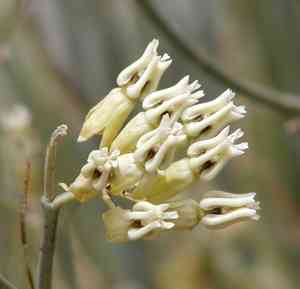
The distinctive structure and delicate blooms of Rush milkweed make it an appealing choice for various landscape designs. Its tall and slender stalks add a vertical element to garden beds and borders. Furthermore, the plant's year-round green appearance provides consistent color and texture to the landscape.
Companion Planting
Rush milkweed pairs well with other drought-tolerant plants, creating a harmonious and sustainable garden design. Combining Rush milkweed with succulents, ornamental grasses, and other native plants will enhance visual appeal while promoting environmental health. Its adaptability allows for imaginative and practical landscaping solutions.



