How to Propagate Rush milkweed?
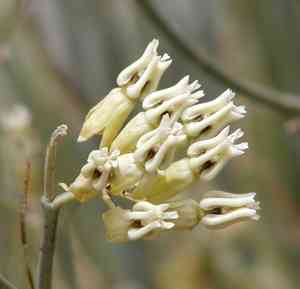
Rush milkweed, a species within the Asclepiadaceae family, flourishes in dry habitats and possesses adaptations for enduring difficult circumstances. For reproduction, contemplate employing stem sections, which ought to be harvested from robust, pathogen-free specimens. Insert these sections into porous growing medium and guarantee they receive moderate hydration to encourage root formation, while preventing saturated conditions to avert decay.
Optimal Time for Rush Milkweed Propagation
Propagation Method
Cutting
Propagation Period
Spring,Summer
Tools Required for Rush Milkweed Propagation
Sharp pruning shears
These are crucial for making clean, precise cuts from rush milkweed, minimizing harm to the parent plant and boosting the chances of successful rooting. The shears must be sharp enough to ensure smooth, not jagged, cuts, which helps prevent disease and damage at the cut site.
Rooting hormone powder
Applying a rooting hormone to the freshly cut ends of rush milkweed's stems significantly enhances root development during the cutting phase. This hormone stimulates root growth from the cut area, increasing the likelihood of successful propagation and aiding in quicker establishment of a strong root system.
Sterile potting mix
A well-draining, sterile potting mix is vital for the rooting of rush milkweed cuttings. Sterility helps prevent disease and pest infestation, while a mix that promotes drainage helps maintain optimal moisture balance, reducing the risk of root rot and supporting healthy root growth.
Propagation trays or small pots
These containers hold the potting mix and cuttings of rush milkweed. Propagation trays are especially useful for managing multiple cuttings in a controlled environment, allowing for consistent moisture and temperature management, which is key to the rooting success of rush milkweed.
Plastic domes or covers
Covering the propagation trays or pots with plastic domes helps maintain high humidity around rush milkweed's cuttings, which is vital for encouraging rooting. The controlled humidity environment prevents the cuttings from drying out before they can develop roots.
How to Propagate Rush Milkweed?
Propagation Type
Easy
Caring for Your Newly Propagated Rush Milkweed
Caring for Your Newly Propagated Rush Milkweed
Once rooted, gradually introduce rush milkweed to lower humidity by removing the plastic bag over several days. Transplant the plants to larger containers or a suitable outdoor spot when they are robust. Provide full sun and well-draining soil. Rush milkweed is drought-tolerant once established but benefits from occasional watering during prolonged dry periods. Regularly check for pests and diseases.
Common Errors to Avoid When Propagating Rush Milkweed
Overwatering
As a desert plant, rush milkweed has adapted to thrive in arid conditions with minimal moisture. Excessive watering can lead to root rot and fungal infections, which significantly hinder the plant's growth and survival.
Using nutrient-rich soil
Rush milkweed flourishes in poor, well-draining soils. Employing rich or heavy soils can retain excess moisture and nutrients, which are unsuitable for the growth requirements of rush milkweed and may result in root rot.
Neglecting light requirements
Insufficient light can impede the growth of rush milkweed, as it naturally grows in open, sun-exposed environments. A lack of adequate sunlight can weaken the plant, reducing its propagation success.
Tips for Propagating Rush Milkweed
Use well-draining soil
Utilize sandy or gravelly soil mixtures that mimic rush milkweed's natural habitat. This promotes proper drainage and prevents water from accumulating around the roots, which is crucial for its health and growth.
Allow cuttings to callus
Before planting cuttings of rush milkweed, it's beneficial to let the cut end form a callus over a few days. This helps prevent rot and disease from developing when the cutting is planted.
Provide ample sunlight
Ensure that rush milkweed receives full sun exposure, which is vital for its growth and development. This simulates its natural desert environment, optimizing photosynthesis and overall health.



