How to Transplant Fewflower milkweed?
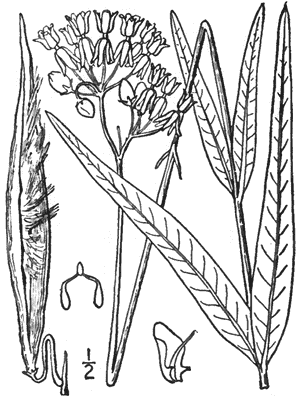
It is advisable to transplant fewflower milkweed between late spring and early summer, a period conducive to vigorous development. Select locations that are well-drained and receive ample sunlight, replicating fewflower milkweed's native environment to facilitate a smooth adjustment and peak vitality.
What Preparations are Needed Before Transplanting Fewflower Milkweed?
What is the Ideal Time for Transplanting Fewflower Milkweed?
The best time to move fewflower milkweed is during the transition from mid to late spring. This timing allows fewflower milkweed to benefit from the peak growing season without the intense summer heat.
How Much Space Should You Leave Between Fewflower Milkweed Plants?
Provide fewflower milkweed with a new home by planting it in a hole approximately 2-3 feet (60-90 cm) away from other plants. This ensures fewflower milkweed has ample room for robust growth and avoids competition for resources.
What is the Best Soil Mix for Fewflower Milkweed Transplanting?
Prepare a soil type that drains well, as fewflower milkweed thrives in such conditions. Incorporating some base fertilizer will significantly enhance soil fertility. A well-composted garden soil should be suitable for fewflower milkweed.
Where Should You Relocate Your Fewflower Milkweed?
Place fewflower milkweed in a location that receives full sunlight. South or West-facing spots are perfect. Remember, fewflower milkweed requires abundant sun exposure!
What Equipments Should You Prepare Before Transplantation Fewflower Milkweed?
Gardening Gloves
To prevent cuts and abrasions when handling the fewflower milkweed plant and to reduce the spread of pathogens.
Trowel/Spade
Both tools will be necessary to excavate the fewflower milkweed plant from its original spot and to dig the new hole for transplantation.
Gardening Fork
This tool is essential for gently separating the fewflower milkweed plant from the surrounding soil to minimize root damage.
Watering Can
To moisten the soil before and after the fewflower milkweed plant is transplanted.
Mulch
To help retain soil moisture and inhibit weed growth around the fewflower milkweed plant.
Stakes and Ties
These may be needed if the fewflower milkweed plant is tall, to provide support after it has been transplanted.
How Do You Remove Fewflower Milkweed from the Soil?
How Do You Remove Fewflower Milkweed from the Soil?
From Ground: Hydrate the soil around the fewflower milkweed plant to make it less abrasive. Carefully use a spade or gardening fork around the plant to gradually loosen the soil, ensuring the root ball remains intact. Once the plant is sufficiently loose, gently lift it from the soil.From Pot: Water the soil inside the pot to dampen it, then tilt the pot sideways while lightly tapping to release the fewflower milkweed plant along with the soil. Ensure the root ball stays whole.From Seedling Tray: Moisten the soil in the tray and use a spoon or similar utensil to lift the fewflower milkweed plant, with soil attached, from its compartment. Be extra careful not to harm the root system.
Step-by-Step Guide for Transplanting Fewflower Milkweed
Digging
Excavate a hole in the chosen spot that is twice as wide and larger than the fewflower milkweed plant's root ball. This increased space will allow the roots to spread and become established.
Placing
Position the fewflower milkweed plant in the hole. Ensure the top of the root ball is level with or slightly above the surrounding ground. This helps prevent water from accumulating around the plant's base, which can lead to rot.
Backfilling
Refill the hole with the original soil, making sure not to bury the plant's stem. Gently compact the soil as you go to eliminate air pockets.
Watering
Immediately after transplanting, thoroughly water the plant; this helps the soil settle around the roots.
Staking (if necessary)
If the fewflower milkweed plant is tall, stakes may be required for support until the plant establishes itself in the new location.
Mulching
Apply mulch around the plant, but keep it a few inches away from the stem. This is to retain moisture and prevent weed growth.
How Do You Care For Fewflower Milkweed After Transplanting?
Watering
Water the fewflower milkweed plant regularly after transplanting, especially during the initial weeks, to aid proper root establishment. However, avoid waterlogging the soil as it can harm the plant.
Support
If you have used stakes for the fewflower milkweed plant, monitor them and make adjustments when necessary to avoid causing damage to the growing plant.
Check Health
Continuously assess the health of the fewflower milkweed plant. Look for wilted leaves or other signs of stress, and take appropriate measures, such as adjusting watering or providing shade, to ensure the plant recovers quickly.
Weed Control
Keep the area around the fewflower milkweed plant clear of weeds that may compete with it for nutrients and water.
Troubleshooting Common Issues with Fewflower Milkweed Transplantation.
What is the ideal season for transplanting fewflower milkweed?
The optimal time to move fewflower milkweed is from late spring (S2) to early autumn (S4). This considers the plant's growth and vitality.
What is the perfect spacing when transplanting fewflower milkweed?
It's recommended to leave a generous gap, ideally 2-3 feet (60-90 cm) between each fewflower milkweed when planting. This allows for healthy development.
Why is my transplanted fewflower milkweed wilting?
Fewflower milkweed might wilt after transplantation due to shock. Keep the soil moist, but avoid overwatering and ensure adequate sunlight.
How to prepare the ground for transplanting fewflower milkweed?
Turn over the soil to a depth of at least 10 inches (25 cm). Remove weeds and incorporate compost to enhance soil structure and nutrients.
Can I transplant fewflower milkweed in a pot?
Indeed! Ensure the pot is large enough to accommodate the mature size of fewflower milkweed, and remember the recommended 2-3 feet (60-90 cm) spacing.
Why isnât my transplanted fewflower milkweed blooming?
Bloom issues can stem from insufficient sunlight or nutrients. Also, newly transplanted fewflower milkweed might take time to flower as they adapt to their new surroundings.
What's the best way to water fewflower milkweed after transplant?
Water fewflower milkweed deeply immediately after transplanting, then regularly to maintain soil moisture. Avoid saturating the soil as it may lead to root rot.
Is there any specific care after transplanting fewflower milkweed during peak summer?
During peak summer, fewflower milkweed may require additional water. Sun protection during the hottest part of the day could also be beneficial.
Can fewflower milkweed survive if transplanted in the wrong season?
Yes, but it's challenging. If not in late spring (S2) to early autumn (S4), ensure you provide extra care, proper watering, and protection against harsh temperatures.
How do I know if my transplanted fewflower milkweed is healthy?
Healthy fewflower milkweed should exhibit sturdy stems and vibrant leaves. Wilting, yellowing, or dropped leaves could signal a problem. Also, look for new growth!



