The Fewflower milkweed Plant Advantage: Maximizing Home and Office Appeal and Wellness
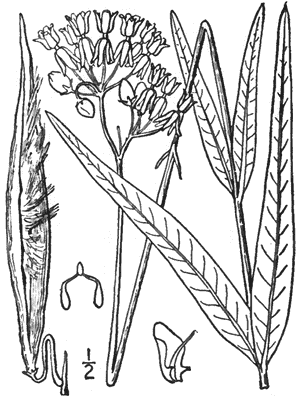
1
This flora flourishes in marshy environments, enriching various ecosystems.
2
It provides sustenance for pollinators such as butterflies and bees, fostering biodiversity.
3
Employed in garden design for its vivid blooms and visual charm.
What Are the Ecological Advantages of Fewflower milkweed?
Support for Wetland Environments
A key ecological advantage of Fewflower milkweed is its capacity to flourish in wetland settings. Wetlands are vital ecosystems for preserving water quality, lessening flood impact, and providing a home for diverse wildlife. By thriving in these areas, Fewflower milkweed aids in soil stabilization and erosion prevention, thus positively contributing to ecosystem resilience.
Attracting Key Pollinators
Pollinators like bees and butterflies are crucial for plant reproduction. Fewflower milkweed draws in a variety of these essential pollinators, thereby boosting biodiversity. Bees, in particular, are fundamental for pollinating many food crops we depend on. By cultivating Fewflower milkweed, you directly support the health and proliferation of these pollinators, fostering a more balanced and flourishing ecosystem.
Can Fewflower milkweed Improve Your Garden's Visual Appeal?
Vibrant and Distinctive Blooms
The unique and vivid flowers of Fewflower milkweed can bring a special charm to any garden. Its striking hues make it a focal point in various landscape designs, from formal layouts to naturalistic arrangements. By integrating Fewflower milkweed into your garden, you can enjoy a burst of color that shifts with the seasons, creating a dynamic and ever-changing landscape.
Minimal Upkeep Requirements
Beyond its aesthetic merits, Fewflower milkweed is also simple to care for, making it an excellent choice for both new and experienced gardeners. Its adaptability to different soil types and resistance to common garden pests mean that once established, it needs little attention. Just ensure it gets sufficient sunlight and occasional watering, and you'll be rewarded with a robust, enduring plant.
How Does Fewflower milkweed Benefit Local Wildlife?
Providing Habitat and Food Sources
Local wildlife greatly benefits from the presence of Fewflower milkweed in their environment. This plant offers both sustenance and refuge to various species, including insects and small mammals. Its seeds and foliage serve as nourishment for multiple creatures, ensuring the local food web remains strong and complete.
Promoting Biodiversity
Introducing Fewflower milkweed into your garden or local area can enhance biodiversity. Greater biodiversity leads to a healthier, more robust ecosystem capable of enduring environmental pressures. By planting Fewflower milkweed, you're not just adding beauty to your space; you're actively contributing to ecological equilibrium and sustainability.
Practical Advice for Growing Fewflower milkweed in Your Garden
Optimal Planting Conditions
For the best results when planting Fewflower milkweed, select a spot with ample sunlight and well-drained soil. While it prefers moist conditions, it can tolerate some dryness once established. Plant seeds or young plants in early spring for the best growth trajectory, ensuring they're spaced appropriately to accommodate their mature size.
Companion Planting Strategies
Consider employing companion planting methods to maximize the advantages of Fewflower milkweed. Pair it with other native plants that thrive in similar conditions to create a harmonious and beneficial plant community. This approach not only boosts your garden's visual appeal but also fosters a more balanced ecosystem.
Understanding the Challenges and Solutions in Cultivating Fewflower milkweed
Pest and Disease Management
Although relatively low-maintenance, Fewflower milkweed can occasionally succumb to pests and diseases. Common issues include aphids and fungal infections. Regular inspection and the use of natural remedies like neem oil can effectively manage these problems, ensuring your plants stay healthy and vibrant.
Climate Considerations
While Fewflower milkweed is adaptable, it's crucial to consider your local climate when planting. In colder regions, early planting and mulching can provide protection during frosts. Conversely, in hotter climates, offering shade during peak sun hours can prevent overheating and stress.



