How to Propagate Fewflower milkweed?
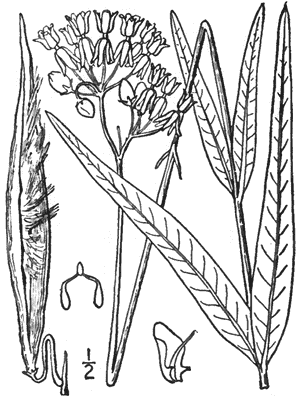
Fewflower milkweed flourishes when reproduced by planting seeds. To achieve optimal results, begin with new, superior-grade seeds. Employing a soil blend that drains effectively is crucial to avert root decay. For enhanced sprouting, contemplate stratifying the seeds if they are being planted in cooler environments; this imitates natural winter states and aids in overcoming seed dormancy. Ensure the soil remains damp, yet not saturated, throughout the germination phase. After becoming rooted, fewflower milkweed is resilient and demands little upkeep.
Optimal Time for Fewflower Milkweed Propagation
Propagation Method
Seeding
Propagation Period
Spring
Tools for Fewflower Milkweed Propagation
Seed trays
Seed trays are shallow containers for sowing seeds and managing seedlings in a controlled setting. For fewflower milkweed, which propagates via seeds, these trays enable an organized distribution of small seeds, giving each seedling equal access to light and nutrients. Their compact design also simplifies maintaining optimal moisture levels, crucial for germination.
Fine-textured seed-starting mix
This specialized growing medium provides a well-draining yet moisture-retentive environment, vital for fewflower milkweed seed germination. Its fine texture ensures optimal soil contact, essential for the tiny seeds of fewflower milkweed, preventing them from being buried too deeply, which could hinder germination.
Misting bottle
A misting bottle is essential for gently watering fewflower milkweed seeds without disturbing their placement or causing soil erosion. Regular misting keeps the soil moist, aiding the delicate germination process without the risk of overwatering, which is detrimental to seed viability.
Fewflower Milkweed Propagation Guide
Propagation Difficulty
Easy
Caring for Newly Propagated Fewflower Milkweed
Caring for Newly Propagated Fewflower Milkweed
Post-germination, maintain soil moisture without waterlogging. As fewflower milkweed seedlings develop, gradually acclimate them to outdoor conditions if started indoors. Once robust, transplant them to their permanent location in full sun or partial shade. Ensure rich, well-draining soil. Fewflower milkweed tolerates drought once established but benefits from occasional watering during very dry spells. Regularly inspect for pests and diseases, especially common milkweed pests.
Common Errors to Avoid When Propagating Fewflower Milkweed
Overwatering
Excessive watering can lead to root rot and fungal growth, which are harmful to fewflower milkweed's health. This plant species thrives in well-drained soil, and too much moisture can suffocate the roots and impede growth.
Using non-sterile tools
Propagating fewflower milkweed with unsterilized tools can introduce pathogens to fresh cuts. This increases the risk of diseases that can kill young shoots before they establish.
Incorrect soil type
Using overly rich or dense soil can hinder the root development of fewflower milkweed. This species prefers looser, well-draining soil that allows for proper air circulation around the roots.
Tips for Propagating Fewflower Milkweed
Use sharp and sterile cutting tools
Ensure that the tools used for cutting stems or roots are sharp and sterile to make clean cuts and prevent the spread of diseases. This promotes healthier propagation and quicker healing of cut sections.
Appropriate watering
Water fewflower milkweed just enough to keep the soil moist but not soggy, especially right after planting cuttings. Proper moisture levels will support root growth without causing waterlogging.
Select disease-free plants for cuttings
Always choose healthy and vigorous parent plants for taking cuttings. This increases the likelihood of successful propagation as healthier parent plant material better supports new growth.



