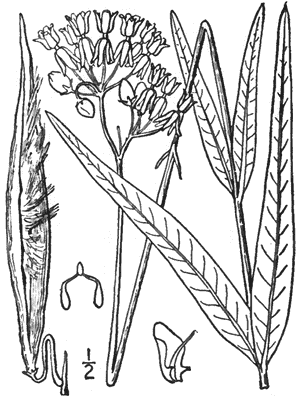
Fewflower milkweed (Asclepias lanceolata)
Also known as: Fewflower Milkweed, Red Milkweed
The plant you're asking about is Asclepias tuberosa, commonly known as Butterfly Weed. Native to the United States, it displays striking red-orange flowers in summer. The fibers from its seed pods are effective in cleaning up oil spills, and its leaves and stems are used in rubber production. This plant is also crucial for providing nectar to Monarch butterflies during their annual migration.
In This Article
Attributes of Fewflower milkweed
Lifespan
Perennial
Plant Type
Herb
Plant Height
91 cm to 1.5 m
Spread
2.5 cm to 30 cm
Leaf Color
Green
Flower Size
2.5 cm
Flower Color
Red Orange Yellow
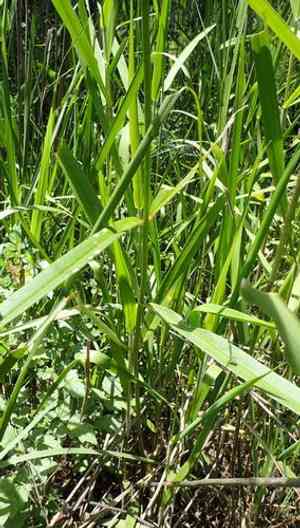
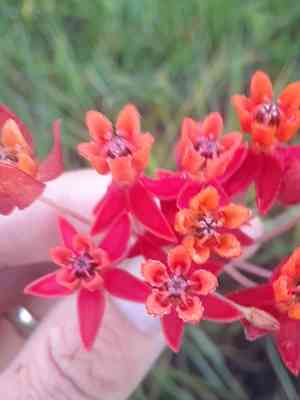
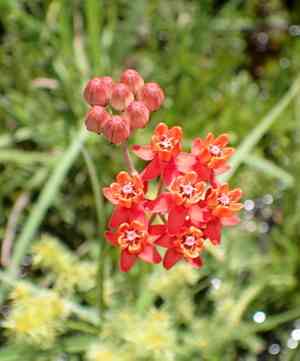
Images of Fewflower milkweed
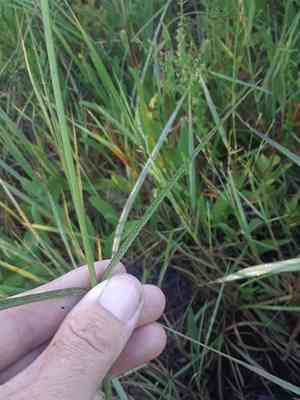
Quickly Identify Fewflower milkweed
1
Bright orange-red flowers in compact clusters atop tall stems
2
Narrow lance-shaped leaves, up to 8 inches (20 cm) long
3
Distinctive two-tone star-shaped flowers, 0.5 inches (1.3 cm) across
4
Conspicuous elongated fruit, 2-4 inches (5-10 cm), with silky-haired seeds
5
Long, slim stem, 2-3 feet (60-90 cm) tall, hairless, with varying green-purple hues
Scientific Classification of Fewflower milkweed
Phylum
Vascular plants
Class
Dicotyledons
Order
Gentianales
Family
Dogbane
Genus
Milkweeds
Species
Fewflower milkweed
Planting and Growing of Fewflower milkweed
Care Difficulty
Easy
Watering Schedule
Every 2 days
Sunlight Requirements
Full sun
Sunshine Duration
6-10 hours
Ideal Temperature
70-85℉
Soil Type
Potting Mix, Peat Mix
Soil pH
5.5-7.5
Fertilizer Type
Balanced
Pruning Season
Spring, Summer
Pruning Area
Branches, Leaves
Pruning Frequency
2 times a year
Repotting Season
Spring
Pot Type
Plastic, Ceramic
 How to Water Fewflower milkweed?
Asclepias lanceolata prefers to be watered thoroughly but infrequently. The soil should be soaked well, ensuring that the water reaches the roots but does not leave the plant sitting in water. This method mimics natural rain patterns, providing moisture that allows the soil to dry out between waterings.
What are the symptoms of an underwatered Fewflower milkweed?
›
What should I do if my Fewflower milkweed is not getting enough water?
›
What are the symptoms of an overwatered Fewflower milkweed?
›
How to save an overwatered Fewflower milkweed?
›
 What Are the Sunlight Requirements for Fewflower milkweed?
Asclepias lanceolata ideally requires full to partial sun, benefiting from the energy provided for healthy photosynthesis and flowering. Compromised light may result in suboptimal growth and bloom production.
More About Sunlight Requirements Techniques→
What is the best type of sunlight for Asclepias lanceolata?
›
How can I ensure Asclepias lanceolata gets enough light indoors?
›
What are the benefits of ideal lighting for Asclepias lanceolata?
›
 What Is the Ideal Temperature Range for Fewflower milkweed?
Asclepias lanceolata, commonly known as fewflower milkweed, thrives best in temperatures ranging from 70 to 85°F. This range ensures optimal photosynthesis and growth rates. Maintaining these temperatures will help the plant to flourish, promoting healthy foliage and abundant blooming. In this range, the plant can efficiently uptake nutrients from the soil and achieve its maximum potential.
 What Soil is Best for Fewflower milkweed?
Asclepias lanceolata thrives in well-draining soil that allows excess water to escape quickly. This requirement prevents root rot and ensures the roots have access to necessary oxygen, enhancing the plant's overall health and vitality. A soil that is rich in organic matter provides necessary nutrients for Asclepias lanceolata, supporting robust growth and flowering. Incorporating compost can enrich the soil, fostering a thriving environment for the plant. While Asclepias lanceolata prefers nutrient-rich soil, overly fertile soil can lead to excessive foliage growth at the expense of flowers. Maintaining a balanced fertility level ensures a good flower-to-leaf ratio.
 How to Fertilize Fewflower milkweed?
When fertilizing Asclepias lanceolata, it’s important to use a balanced formula. For liquid fertilizers, use about half the recommended strength to avoid burning the roots. Apply 1/4 cup of diluted formula around the base for mature plants, ensuring even distribution.
 How to Prune Fewflower milkweed?
Begin by removing any dead or diseased stems near the base. For better air circulation, thin the plant by cutting back crowded stems. Trim back overly long shoots to maintain desired shape, ensuring cuts are made just above a leaf node or bud. After pruning, water the plant adequately to help it recover. Apply a balanced fertilizer to provide necessary nutrients and encourage healthy regrowth.
More About Pruning Techniques→
 How to Propagate Fewflower milkweed plant?
1
Start by collecting mature seeds from existing plants. Clean them gently to remove any residual pulp or debris for better germination results and prevent mold development.
2
Sow the seeds on the surface of a seed tray filled with potting mix. Cover them lightly with a thin layer of soil, as they require some light to germinate successfully.
3
Water the seeds carefully to moisten the soil without dislodging them. Maintain consistent moisture levels until the seedlings emerge, keeping the soil neither too dry nor overly wet.
 How to Repot Fewflower milkweed plant?
1
Asclepias lanceolata shows it needs repotting when roots start engulfing the pot or the growth slows down significantly. Signs such as water not absorbing properly or visible roots through drainage holes are good indicators. Typically, it's best to initiate this process during the growing season, specifically in spring or summer, to give the plant the best chance of acclimating to its new home.
2
Select a pot that is slightly larger than the current one, ideally 1 to 2 inches bigger in diameter. This prevents excess moisture retention and root rot while giving ample space for root expansion. Opt for pots with drainage holes to ensure any excess water can escape freely, vital for the health of milkweed plants.
3
A well-draining sandy soil mix is ideal for Asclepias lanceolata. This mix mimics the plant’s natural habitat and provides excellent drainage, preventing waterlogged conditions detrimental to its health. By maintaining a balance that prevents either excessive dryness or over-watering, the right soil mix supports healthy growth.
Toxicity
ingestion
WARNING
The judgment on toxicity and danger is for reference only. We DO NOT GUARANTEE any accuracy of such judgment. Therefore, you SHALL NOT rely on such judgment. It is IMPORTANT TO SEEK PROFESSIONAL ADVICE in advance when necessary.
Learn More About Fewflower milkweed Diseases
Anthracnose
Bacterial Leaf Spot
Bacterial Soft Rot
Bacterial Wilt
Chemical Injury
Crown Gall
Cyst Nematode
Damping-off
Downy Mildew
Drought Stress
Fusarium Wilt
Gray Mold
Leaf Spot
Mosaic
Nutrient Deficiency
Nutrient Toxicity
Powdery Mildew
Root Rot
Root-knot Nematode
Rusts
Sooty Mold
Spider Mites
Temperature Stress
Thrips Damage
White Mold



