How to Prune Fewflower milkweed?
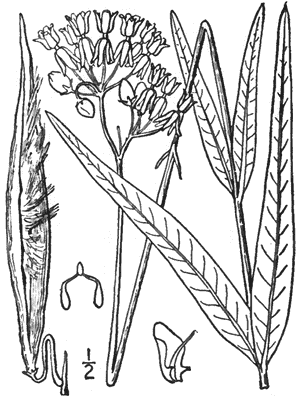
This enduring plant, characterized by its slender foliage and groupings of orange blossoms, fewflower milkweed, thrives with regular trimming to enhance its vitality and bloom production. In early spring, prior to the emergence of new shoots, sever any lifeless or frail stalks. Throughout the summer season, remove faded flowers to stimulate additional blossoming. Following the primary flowering period, reduce the plant by one-third to revitalize its leaves. If adjustments to size or form are necessary, prune during its dormant phase. Consistent pruning deters self-propagation and sustains robustness. Refrain from autumn pruning to safeguard pollinators that overwinter.
What Are the Benefits of Pruning Fewflower Milkweed?
What Are the Benefits of Pruning Fewflower Milkweed?
Trimming fewflower milkweed promotes strong development and maintains its desired shape. Strategic cuts can lead to denser foliage and a more vigorous plant overall, while also helping to keep it within a certain size or form for aesthetic or spatial reasons.
What Is the Best Time for Pruning Fewflower Milkweed?
What Is the Best Time for Pruning Fewflower Milkweed?
Late spring to early summer is considered the optimal time for trimming fewflower milkweed because it's after the plant emerges from dormancy but before peak growth rates occur. Pruning in this time frame allows the gardener to shape the plant and remove any dead or damaged stems without disrupting its growth cycle or flowering period. Pruning after flowering can help promote vigorous growth and a fuller shape. It also avoids the cold weather of fall and winter, which can harm the plant if it is pruned too late in the season. Pruning in the recommended seasons ensures fewflower milkweed has time to heal and grow stronger, setting the stage for a healthier plant in the following growing season.
What Tools Do I Need to Prune Fewflower Milkweed?
Bypass Pruners
Ideal for making clean and precise cuts, bypass pruners are suitable for deadheading and trimming back fewflower milkweed. Their scissor-like action allows gardeners to cut through the plant's relatively thin stems without causing damage to the remaining stem tissue.
Gloves
Wearing gardening gloves is essential when dealing with fewflower milkweed to protect the gardener's skin from the plant's sap, which could be irritating.
Pruning Saw
For more mature fewflower milkweed specimens with thicker stems that bypass pruners cannot handle efficiently, a pruning saw is useful. It allows for cutting through woody stems cleanly, without tearing or harming the plant.
Garden Snips
These are useful for precision work on fewflower milkweed, such as thinning out dense areas or cutting flowers for arrangements. Garden snips are designed for precision and can access tight spots without causing unnecessary damage to other parts of the plant.
How to Prune Fewflower Milkweed
Sanitize
Before you start pruning fewflower milkweed, ensure all pruning tools are sanitized to prevent the spread of disease. Clean your shears with a solution of one part bleach to nine parts water, or use alcohol wipes.
Remove diseased leaves
Identifying and remove all diseased leaves from fewflower milkweed. Carefully clip the leaf stem where it joins the main stem or a healthy section, avoiding any damage to the plant's healthy tissues.
Trim withered leaves
Prune withered or yellow leaves to promote healthy growth. Snip the leaf stem cleanly at the base near the main stem or at a healthy leaf node, not leaving stubs which can be entry points for pests or disease.
Cut diseased stems
Locate diseased stems on fewflower milkweed and prune them back to healthy tissue. If the entire stem is affected, cut it down to the base of the plant.
Discard removed material
Dispose of all removed leaves and stems appropriately. Do not compost diseased material as it could contaminate your compost pile. Destroy or discard it to contain the spread of disease.
Common Pruning Mistakes with Fewflower Milkweed
Over pruning
Cutting back fewflower milkweed too much can shock the plant, reduce its vigor, and impede its ability to flower. Ensure only the necessary amount of the plant is removed.
Incorrect cut location
Making cuts in the wrong location can damage fewflower milkweed and hinder its natural growth pattern. Cuts should be made just above a leaf node or branching point to promote healthy new growth.
Using dull tools
Pruning with dull tools can cause damage to the stems of fewflower milkweed, making it more susceptible to disease. Always use sharp, clean pruning tools.
Pruning healthy growth
Removing healthy growth can unnecessarily stress fewflower milkweed. Focus on dead, damaged, or diseased tissues unless shaping the plant.
Pruning during active growth
Pruning fewflower milkweed while it is actively growing can redirect energy from flower and seed production, which are crucial for this species that serves as a host plant for butterflies.
Common Pruning Tips for Fewflower Milkweed
Sanitizing tools
Before pruning fewflower milkweed, sanitize tools with alcohol or a bleach solution to prevent the spread of disease.
Identify target areas
Inspect fewflower milkweed thoroughly and identify any dead, diseased, or damaged stems for removal. This helps maintain the health and aesthetics of the plant.
Angled cuts
When pruning fewflower milkweed, make clean, angled cuts to prevent water accumulation on the cut surface, which can lead to rot or disease.
Pruning for airflow
Thin out dense areas of growth in fewflower milkweed to improve air circulation, which helps prevent fungal diseases and promotes robust health.
Encouraging bushy growth
To encourage a bushier growth form in fewflower milkweed, pinch or cut back the tips of young shoots. This practice stimulates branching and can result in a fuller plant.



