How to Transplant Black sagebrush?
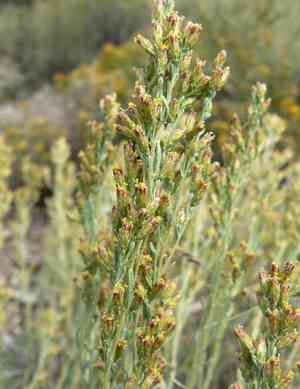
For black sagebrush, the prime period for successful root development spans from late spring to mid-summer, capitalizing on ideal growing circumstances. Choose a location featuring adequately drained earth and ample sunlight. Should it be required, enriching the soil and carefully irrigating after transplanting will improve its integration.
What Preparations are Needed Before Transplanting Black Sagebrush?
What is the Ideal Time for Transplanting Black Sagebrush?
The optimal period to relocate black sagebrush is during the pleasant warmth of early to mid-summer. Within this sunny timeframe, black sagebrush roots establish most effectively, utilizing longer days for development. Moving black sagebrush now promises a smooth transition with ample warmth aiding root growth, ensuring they are well-anchored before autumn's chill.
How Much Space Should You Leave Between Black Sagebrush Plants?
Hello, gardener! Before placing your black sagebrush in its new spot, ensure it has sufficient room. Aim for a comfortable distance of 12-18 inches (30-46 cm) between plants. This spacing is perfect for black sagebrush to expand and flourish!
What is the Best Soil Mix for Black Sagebrush Transplanting?
For your black sagebrush, consider a comfortable bed of well-drained soil with a hint of sand or gravel for optimal drainage. A light application of a low-nitrogen fertilizer as a welcoming gesture will set black sagebrush up for success. Happy gardening!
Where Should You Relocate Your Black Sagebrush?
Your black sagebrush loves to soak up the sun! Select a bright location where it can receive full sunlight for most of the day. This sunny spot will keep your black sagebrush's vitality high and encourage healthy development. Sun protection for your black sagebrush!
What Equipments Should You Prepare Before Transplantation Black Sagebrush?
Gardening Gloves
To safeguard your hands while handling soil and plants.
Shovel or Spade
For digging and lifting the black sagebrush plant.
Wheelbarrow or Plant Cart
To move the black sagebrush plant from its original spot to the new planting site.
Watering Can or Hose
To hydrate the black sagebrush plant before and after relocation.
Pruning Shears
To trim any damaged roots or foliage.
Tape Measure
To assist in correctly spacing the transplant location.
Stakes and String
For marking the area where the plant will be moved.
Mulch
To retain soil moisture and regulate temperature around the black sagebrush.
How Do You Remove Black Sagebrush from the Soil?
How Do You Remove Black Sagebrush from the Soil?
From Ground: First, moisten the soil around the black sagebrush plant. Then, excavate a wide trench around the plant using a shovel or spade, ensuring the plant's root ball remains intact. Carefully work the spade beneath the root ball to lift the black sagebrush plant from its initial position.From Pot: Begin by thoroughly watering the black sagebrush plant. Place your hand on the soil surface with the plant stem between your fingers, invert the pot, and gently tap the bottom to dislodge the plant. Gradually guide the black sagebrush out of the pot, supporting the root ball.From Seedling Tray: Water the seedlings to soften the soil, making removal easier. Use a spoon or small trowel to carefully lift each individual black sagebrush seedling by nudging the soil underneath and extracting it while avoiding root damage.
Step-by-Step Guide for Transplanting Black Sagebrush
Digging the Hole
Excavate a hole in the ground that is twice the width of the black sagebrush's root ball and of equal depth. This ensures ample space for root expansion.
Preparing the Plant
Gently remove any dead or damaged roots using pruning shears. For black sagebrush from a pot or tray, loosen the root ball to encourage root growth into the surrounding soil.
Positioning the Plant
Place the black sagebrush in the center of the hole, ensuring it stands upright. The top of the root ball should be level with the surrounding soil surface.
Backfilling
Carefully refill the hole with the excavated soil. Firm the soil around the plant with your hands to eliminate any air pockets.
Watering
Immediately after planting, thoroughly water the black sagebrush to settle the soil and help alleviate plant stress.
Staking (if necessary)
If the black sagebrush is tall or in a windy location, stake the plant for support. Be careful not to harm the root system.
Mulching
Apply a layer of mulch around the base of the black sagebrush to help retain moisture and regulate soil temperature.
How Do You Care For Black Sagebrush After Transplanting?
Watering
Keep the soil around the black sagebrush consistently moist, but not waterlogged, for the initial weeks after transplanting to aid in strong root establishment.
Staking
Periodically check stakes to ensure they are secure and not harming the black sagebrush.
Pruning
Prune the black sagebrush as needed to remove any dead or damaged foliage and to encourage healthy growth.
Monitoring
Observe for signs of stress, such as wilting or discoloration, and address any issues promptly to ensure the black sagebrush's health.
Mulch
Maintain the mulch layer to preserve moisture and shield the plant from temperature extremes as it establishes in its new location.
Troubleshooting Common Issues with Black Sagebrush Transplantation.
What's the ideal timing to transplant black sagebrush?
The best period for relocating black sagebrush is during early to mid-summer for optimal root development.
How far apart should black sagebrush be planted?
Space black sagebrush approximately 12-18 inches (30-46 cm) apart to allow each plant ample room to flourish.
How much sun does black sagebrush need post-transplant?
Black sagebrush thrives in full sun. Ensure it's planted where it will receive at least 6 hours of direct sunlight.
Should I water black sagebrush immediately after transplanting?
Yes, thoroughly water black sagebrush to settle the soil around the roots and remove air pockets.
How deep should the hole be for transplanting black sagebrush?
Dig a hole of the same depth and twice the width of the root ball to promote spreading.
What type of soil does black sagebrush prefer?
Black sagebrush flourishes in well-draining soil. Amend heavy clay soils or consider raised beds if drainage is poor.
How do I know if black sagebrush has enough space to grow?
Observe if black sagebrush's foliage has room to expand without crowding neighboring plants. This ensures good air circulation.
Can I fertilize black sagebrush right after transplanting?
Wait until black sagebrush has established for a few weeks before fertilizing to prevent root burn.
What should I do if black sagebrush's leaves wilt after transplant?
Wilting may occur due to shock. Keep the soil moist and provide shade until black sagebrush recovers.
How do I protect black sagebrush during a transplant in hot weather?
Transplant during cooler parts of the day and use mulch to retain soil moisture and cool the roots.



