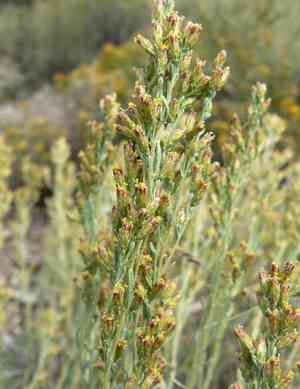
Black sagebrush (Artemisia nova)
Also known as: Black Sagebrush
Black sagebrush (Artemisia nova) is primarily located in North America, especially prevalent in the western United States. It thrives in forest and grassland environments, notably within the Great Basin region, covering parts of Nevada, Utah, California, Idaho, and Wyoming. Identifying black sagebrush poses challenges due to its resemblance to other sagebrush species and its infrequent seed production. This makes detailed morphological examination essential for accurate identification.
In This Article
Attributes of Black sagebrush
Lifespan
Perennial
Plant Type
Shrub
Plant Height
20 cm to 70 cm
Spread
60 cm
Leaf Color
Dark green
Flower Size
2.5 mm
Flower Color
Yellow Green Red
Images of Black sagebrush
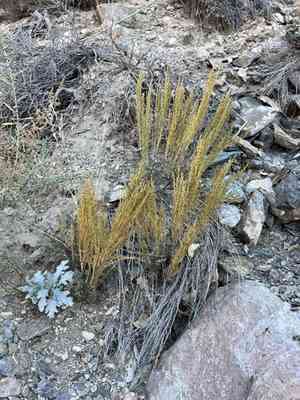
Quickly Identify Black sagebrush
1
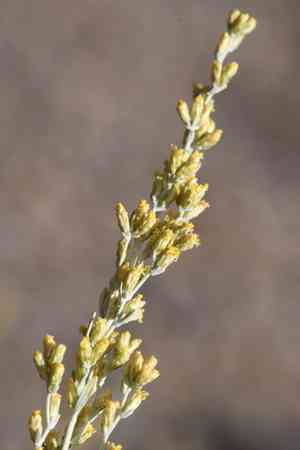
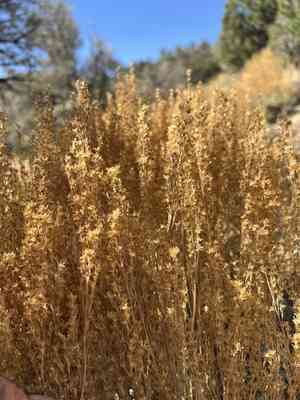
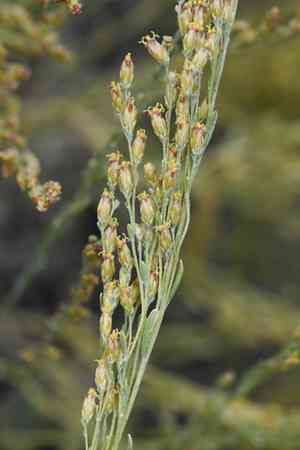
Identify Artemisia nova by its small, dark green, and finely divided leaves which are aromatic when crushed. The plant is typically low-growing and forms dense mats. It may exhibit small yellow flowers that bloom in late summer.
Scientific Classification of Black sagebrush
Phylum
Vascular plants
Class
Dicotyledons
Order
Asterales
Family
Daisy
Genus
Mugworts
Species
Black sagebrush
Planting and Growing of Black sagebrush
Care Difficulty
Easy
Watering Schedule
Every day
Sunlight Requirements
Full sun
Sunshine Duration
6-10 hours
Ideal Temperature
60-75℉
Soil Type
Potting Mix, Peat Mix
Soil pH
6.5-7.5
Fertilizer Type
Balanced
Pruning Season
Spring, Summer
Pruning Area
Branches, Leaves
Pruning Frequency
2 times a year
Repotting Season
Spring
Pot Type
Plastic, Terracotta
 How to Water Black sagebrush?
Artemisia nova requires careful watering to mimic its natural arid environment. Watering should be enough to moisten the top 2-3 inches of soil, which generally equates to about 200 ml per watering session. It is crucial to avoid waterlogging by allowing the soil to dry out between each watering.
What are the symptoms of an underwatered Black sagebrush?
›
What should I do if my Black sagebrush is not getting enough water?
›
What are the symptoms of an overwatered Black sagebrush?
›
How to save an overwatered Black sagebrush?
›
 What Are the Sunlight Requirements for Black sagebrush?
Artemisia nova thrives best under full-day sun, ensuring robust photosynthesis and aromatic vitality. This optimal light ensures lush, vigorous plant health, improving growth density and drought tolerance.
More About Sunlight Requirements Techniques→
Why is full sun ideal for Artemisia nova?
›
How to provide the required full sun exposure?
›
Benefits of ideal light conditions for Artemisia nova
›
 What Is the Ideal Temperature Range for Black sagebrush?
Artemisia nova thrives best in moderate temperatures typically between 60°F and 75°F. This range allows for optimal physiological processes, ensuring the plant grows in a healthy and robust manner. Temperatures within this range mirror the native habitats of this species, providing conditions that support photosynthesis and nutrient uptake efficiently.
 What Soil is Best for Black sagebrush?
Artemisia nova thrives in well-drained soil because it prevents waterlogging, which can lead to root rot. Ensuring good drainage allows the roots to breathe and absorb nutrients effectively, promoting robust plant growth. This plant species does not require highly fertile soil but benefits from moderate nutrient content. Providing balanced nutrition allows Artemisia nova to maintain its health and resilience without excessive growth that can lead to leggy structures. Soil aeration is crucial for Artemisia nova, as it promotes healthy root development. Air pockets within the soil help roots access oxygen, leading to healthier and more vigorous plants that are better equipped to withstand environmental stresses.
 How to Fertilize Black sagebrush?
Artemisia nova generally requires a balanced approach to fertilization, with only light amounts necessary. Typically, use a diluted liquid fertilizer at half the recommended strength to avoid overwhelming the plant. For slow-release fertilizers, aim for around one tablespoon per plant for the growing season.
 How to Prune Black sagebrush?
Start by examining the plant for dead, damaged, or diseased branches. Use sharp shears to carefully remove these parts. Trim back leggy stems to promote fuller growth, cutting just above a leaf node to encourage new, vigorous shoots. Keep the shrub's natural shape in mind and avoid cutting too much at once. Once you have removed the problematic sections, focus on shaping your Artemisia nova. Aim for a balanced appearance by selectively cutting back extra long or untidy stems. Maintain the natural mounded habit of the plant, ensuring even sunlight reaches all parts of the shrub.
More About Pruning Techniques→
 How to Propagate Black sagebrush plant?
1
To propagate Artemisia nova by seed, sow the seeds in a tray with well-draining soil. Lightly cover the seeds with soil and mist them regularly to keep the soil moist until germination.
2
Select healthy, disease-free stems for cuttings. Cut at a 45-degree angle using sterilized pruning shears to prevent disease. Each cutting should be about 4-6 inches long with at least two leaf nodes.
3
Dip the cut end of the cutting in rooting hormone powder to encourage root development. Plant the cuttings in a pot filled with a mixture of perlite and peat, and keep the soil lightly moist.
 How to Repot Black sagebrush plant?
1
Signs that Artemisia nova needs repotting include roots growing through the drainage holes, soil that dries out too quickly, and visibly stunted growth. These signals indicate that the plant is root-bound and in need of more space. It's important to repot when the plant is not actively growing, which is typically in spring or autumn, to minimize stress.
2
Select a pot that is one size larger than the current pot, with plenty of drainage holes. The right pot size allows roots to expand without overwhelming the plant with too much soil, which can retain excess moisture. Clay pots are often preferable as they provide better aeration and reduce the risk of root rot by allowing moisture to evaporate.
3
A well-draining soil mix is essential for Artemisia nova. This could be a cactus or succulent mix, which ensures proper drainage and prevents waterlogging. Such soil not only prevents root rot but also promotes healthy root development by maintaining an ideal moisture balance in the growing environment.



