The Black sagebrush Plant Advantage: Maximizing Home and Office Appeal and Wellness
1
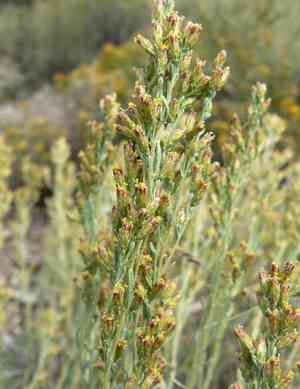
Black sagebrush is recognized for its fragrant foliage and unique taste.
2
This species tolerates dry conditions well, making it perfect for desert areas.
3
Black sagebrush draws in vital pollinators, benefiting local environments.
Why is Black sagebrush Perfect for Arid Regions?
Drought Resilience
A key characteristic of Black sagebrush is its remarkable ability to withstand dry conditions. This plant has evolved to flourish in parched environments, making it an excellent option for areas with limited water resources. Its deep root structure allows it to access moisture far beneath the ground, ensuring its survival even during extended dry periods.
Minimal Upkeep Needs
Beyond its drought resilience, Black sagebrush also demands little care. It requires infrequent watering once established and resists many common pests and diseases, making it an effortless addition to any garden. This appeals particularly to busy gardeners or those aiming for a more sustainable, water-wise landscape.
How Does Black sagebrush Support Local Ecosystems?
Attracts Pollinators
One of the ecological advantages of Black sagebrush is its capacity to draw in pollinators like bees, butterflies, and other beneficial insects. The plant's blossoms offer nectar and pollen, vital resources for these creatures. Consequently, cultivating Black sagebrush can help sustain the health and variety of local pollinator populations, which are crucial for the overall well-being of numerous ecosystems.
Provides Shelter and Sustenance for Wildlife
Black sagebrush also functions as a habitat and food source for various animal species. Birds, small mammals, and insects find refuge and nourishment within its dense foliage. By incorporating Black sagebrush into landscapes, gardeners can help create a more welcoming environment for these creatures, fostering biodiversity and ecological equilibrium.
Can Black sagebrush Be Used in Cooking?
Aromatic Qualities
The leaves of Black sagebrush are fragrant and can impart a distinct taste to various culinary dishes. While not as frequently used as other cooking herbs, its unique flavor can add depth and complexity to recipes. The leaves can be utilized fresh or dried, making them a versatile ingredient in the kitchen.
Infusions and Flavorings
Beyond direct culinary use, Black sagebrush can also be employed to create infusions and seasonings. The plant's aromatic properties can be extracted and used to flavor oils, vinegars, and salts. These infused liquids can then be used to enhance a wide array of dishes, from salads and marinades to roasts and grilled vegetables.
What Are the Landscape Benefits of Black sagebrush?
Erosion Prevention
Due to its extensive root system, Black sagebrush is effective at preventing soil erosion. Planting it on inclines or in areas prone to erosion can help stabilize the ground and prevent the loss of valuable topsoil. This makes it an excellent choice for landscaping projects focused on maintaining soil health and stability.
Visual Appeal
With its silvery-green leaves and delicate, fragrant blooms, Black sagebrush adds a touch of beauty to any garden or landscape. Its distinctive appearance can complement a variety of garden styles, from native and xeriscape gardens to more traditional settings. Its year-round charm ensures it remains a focal point in the landscape, even during dormant periods.
Cultivating Black sagebrush: Essential Information
Soil and Light Needs
Black sagebrush thrives in well-drained soil and full sun exposure. It adapts to various soil types but performs best in sandy or rocky soils that mimic its natural environment. Ensuring proper drainage is vital to prevent root rot and other moisture-related problems.
Propagation Methods
Propagating Black sagebrush can be achieved through seeds or cuttings. While seeds may take longer to sprout and establish, cuttings offer a quicker path to mature plants. For successful propagation, it is crucial to select healthy parent plants and provide optimal conditions for rooting and growth.



