How to Prune Black sagebrush?
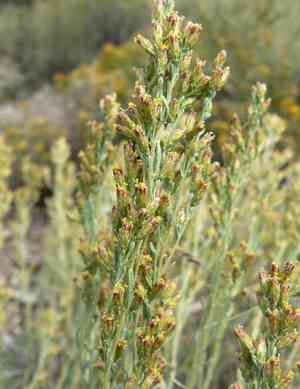
This enduring woody plant, distinguished by its robust stalks and silvery-green leaves, flourishes with infrequent trimming. Essential methods for black sagebrush involve excising deceased or compromised limbs and reducing congested sections to foster air movement. The most effective time for pruning is in late winter or early spring, prior to the emergence of fresh shoots. Consistent trimming sustains the plant's well-being and strength, prevents excessive expansion, and improves the visual attractiveness of its inherent shape.
Advantages of Trimming Black Sagebrush?
Advantages of Trimming Black Sagebrush?
Trimming black sagebrush promotes robust development and helps maintain its desired form. By eliminating dead or crowded limbs, air circulation improves, lowering disease risk and fostering healthier growth.
Optimal Time for Trimming Black Sagebrush?
Optimal Time for Trimming Black Sagebrush?
The best periods for trimming black sagebrush are late winter and early spring. These times are ideal as black sagebrush is dormant, experiencing minimal stress from active growth. Pruning then helps prevent significant sap loss, which is more common during active growth or flowering. It also reduces disease infection risk, as many pathogens are less active in colder weather. Furthermore, without foliage, black sagebrush's structure is clearer, allowing for more precise and beneficial cuts. This timing encourages vigorous spring growth, as black sagebrush can heal faster and direct energy to new growth after dormancy. It also avoids cutting off current year's growth that might contain flower buds, ensuring black sagebrush completes its flowering or fruiting cycle.
Tools Required for Trimming Black Sagebrush?
Hand Pruners
Excellent for cutting stems and small branches on black sagebrush. Their size and accuracy allow for selective trimming without harming nearby foliage.
Pruning Shears
Perfect for shaping black sagebrush and managing its spread. The sharp blades create clean cuts, causing less stress to the plant.
Gloves
Protect the gardener's hands from the rough texture of black sagebrush and ensure a secure grip on pruning tools.
Pruning Saw
Useful for removing larger, woody stems of black sagebrush that hand pruners cannot manage. This tool allows for cutting without tearing the plant's tissue.
How to Trim Black Sagebrush
Sterilize
Before beginning, clean and sanitize your pruning tools with alcohol or bleach to prevent the spread of disease during the trimming process.
Remove dead or diseased leaves
Carefully inspect black sagebrush for any signs of diseased or withered leaves. Using sanitized clippers, gently trim these leaves at their base, taking care not to damage the remaining healthy foliage.
Trim dead branches
Identify dead branches on black sagebrush, which typically appear dry, brittle, and lack leaves. Cut these branches at the point where they meet healthy wood, ensuring a clean angle to promote healing.
Eliminate diseased branches
Locate and neatly trim branches showing signs of disease, cutting well into the healthy tissue to ensure the complete removal of any infected parts.
Disposal of trimmed parts
Dispose of all removed diseased leaves and dead or diseased branches safely and far from healthy plants to minimize spreading pathogens.
Common Trimming Errors with Black Sagebrush
Over pruning
Removing too much foliage from black sagebrush at once can stress the plant, leading to weakened growth and a reduction in its natural, bushy shape.
Using dull tools
Trimming black sagebrush with dull or dirty tools can result in jagged cuts that make the plant more vulnerable to pests and diseases.
Neglecting dead material
Failing to remove dead or damaged branches can hinder black sagebrush's overall vigor and aesthetic appeal, as well as potentially harm the plant's health.
Inconsistent pruning
Trimming black sagebrush irregularly or with inconsistent technique may lead to uneven growth patterns and unsightly appearance.
Ignoring plant structure
Not taking black sagebrush's natural growth habit into account when trimming can result in a loss of plant character and potentially diminish flower production.
General Trimming Advice for Black Sagebrush
Clean cuts
Make clean, angled cuts on black sagebrush to encourage proper healing and minimize the risk of disease and pest infestation.
Proper tool selection
Using sharp, clean pruning shears or clippers specifically designed for the size and density of black sagebrush's branches will ensure precise cuts and a healthier plant.
Gradual pruning
Gradually trim black sagebrush over time to maintain plant health; avoid removing more than a third of the plant's foliage in one session, which could stress the plant.
Removal of dead material
Regularly remove dead or damaged branches from black sagebrush to encourage new growth and improve air circulation within the plant.
Consideration of growth pattern
Understand and follow black sagebrush's natural growth pattern when trimming to maintain its form and stimulate flowering where desirable.



