How to Propagate Black sagebrush?
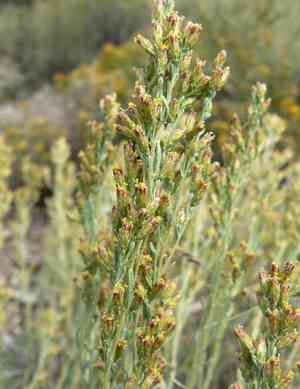
Black sagebrush thrives when propagated via cuttings, a technique that fosters robust, rapid development. To achieve the best outcomes, choose semi-hardwood segments from an established plant during the early morning hours when their moisture content is highest. Confirm that the cuttings measure approximately three to five inches long, then immerse the cut end in a rooting compound prior to inserting them into well-draining, damp soil. Sustaining a consistent environment with sufficient humidity and warmth will facilitate successful root formation.
Optimal Period for Black Sagebrush Propagation
Propagation Method
Cutting
Propagation Season
Autumn,Winter
Tools Required for Black Sagebrush Propagation
Sharp Pruning Shears
These are vital for obtaining clean, precise cuttings from black sagebrush. Sharp blades prevent damage to the parent plant and ensure a clean cut, which is crucial for healthy callusing and subsequent rooting. Sterilize shears before use to avoid disease transmission.
Rooting Hormone
This aids in stimulating root development from black sagebrush cuttings. Applying rooting hormone to the cut end enhances successful rooting by promoting quicker development of root tissues, essential for establishing a new black sagebrush plant.
Sterile Potting Mix
Using a sterile potting mix prevents the introduction of pathogens that could harm cuttings. A well-draining, lightweight mix, possibly with perlite or sand, is ideal for black sagebrush, providing necessary aeration and moisture retention without waterlogging.
Propagation Tray
A propagation tray is useful for organizing and managing multiple black sagebrush cuttings in a controlled environment. Trays should have adequate drainage and be paired with a humidity dome to maintain high humidity, preventing moisture loss until new plants root successfully.
Heat Mat
A heat mat helps maintain an optimal soil temperature, particularly beneficial for rooting black sagebrush cuttings. Warmth at the base encourages faster root growth, crucial during colder months or in cooler climates where ambient temperatures may not be ideal.
How to Propagate Black Sagebrush?
Propagation Type
Moderately Difficult
Caring for Your Newly Propagated Black Sagebrush
Caring for Your Newly Propagated Black Sagebrush
Once black sagebrush has rooted and shows new growth, gradually acclimate it to its permanent outdoor location. Black sagebrush thrives in full sunlight and well-drained soil, typical of its natural arid habitat. Water young plants moderately, allowing soil to dry between waterings, as overwatering can cause root rot. Minimal fertilization is needed; a light application of balanced fertilizer in early spring can support healthier growth. Regularly check for pests and diseases, though black sagebrush is generally hardy and resistant to most common garden afflictions.
Common Mistakes to Avoid When Propagating Black Sagebrush
Overwatering
Watering black sagebrush too frequently can lead to root rot, as it is adapted to arid conditions. Excess water hinders root development and reduces the plant's survival rate.
Deep Planting
Planting black sagebrush cuttings or seeds too deep can impede their ability to sprout and establish. Proper light exposure is crucial for the germination and growth of young shoots.
Ignoring Soil Drainage
Using soil that lacks proper drainage can cause water to accumulate, stressing black sagebrush and potentially causing root decay. This mistake can drastically decrease propagation success.
Excessive Fertilization
Applying too much fertilizer can harm black sagebrush by leading to nutrient burn and disrupting its natural growth process. Black sagebrush typically thrives in low-nutrient soils.
Tips For Propagating Black Sagebrush
Use Well-Draining Soil
Choose or prepare a soil mix that enhances drainage to mimic black sagebrush's natural gritty, arid habitat. This improves moisture control and reduces the risk of root diseases.
Moderate Watering
Water black sagebrush moderately, allowing the soil to dry out between watering sessions, which mimics the natural dry conditions this plant is adapted to endure.
Appropriate Seeding Depth
Plant seeds or transplant seedlings at just the right depth—typically not more than a few millimeters. This ensures adequate sunlight exposure and air circulation, vital for germination and initial growth.
Minimal Fertilization
Use a minimal amount of fertilizer, if any, for black sagebrush. This plant species flourishes in low-fertility conditions; excess nutrients can do more harm than good.



