How to Transplant Elephant creeper?
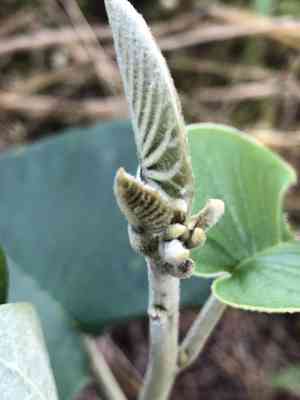
Relocate elephant creeper during the peak of summer, the ideal period for root establishment. Select a bright spot with effective drainage. When moving the plant, prioritize disturbing the roots as little as possible to facilitate a smooth shift from container to outdoor bed.
What Preparations are Needed Before Transplanting Elephant Creeper?
What is the Ideal Time for Transplanting Elephant Creeper?
The peak of warm weather, avoiding extreme heat, is the perfect time to move elephant creeper to new soil. This period combines optimal temperatures with elephant creeper's growth cycle, allowing roots to establish strongly with the season's warmth. Moving elephant creeper during this phase ensures vigorous growth, as it aligns with the plant's natural preference for nurturing sun. A helpful tip: this timing guarantees your elephant creeper thrives, enhancing your space with its lush beauty.
How Much Space Should You Leave Between Elephant Creeper Plants?
Hello, gardener! When planting your elephant creeper, ensure ample room between each specimen. Approximately 3-4 feet (0.9-1.2 meters) is ideal. This provides your elephant creeper with the necessary space to flourish and develop beautifully.
What is the Best Soil Mix for Elephant Creeper Transplanting?
For your elephant creeper, rich, well-draining soil is optimal. Use a quality base fertilizer abundant in organic matter. A blend of compost and topsoil would be highly beneficial. This way, your elephant creeper will receive all the nutrients needed for robust root development.
Where Should You Relocate Your Elephant Creeper?
Let's find a sunny spot for your elephant creeper! This lovely perennial thrives in sunlight. A location with good exposure to 4-6 hours of daily sunlight would be perfect for your elephant creeper. Remember, more sun leads to more blooms!
What Equipments Should You Prepare Before Transplantation Elephant Creeper?
Spade or Shovel
It assists in digging up the elephant creeper from its current spot without harming its roots.
Gardening Gloves
To safeguard your hands while handling soil and the plant.
Watering Can
Essential for hydrating the elephant creeper both before and after its relocation.
Garden Trowel
For excavating holes for the transplant.
Root Trimming Scissors (optional)
Useful for removing any damaged roots during the transplanting process.
How Do You Remove Elephant Creeper from the Soil?
How Do You Remove Elephant Creeper from the Soil?
From Ground: Start by moistening the soil around the elephant creeper. Then, carefully dig a perimeter around the plant with a spade or shovel, ensuring the root ball remains intact. Gently work the spade beneath the root ball to lift the elephant creeper from its original position.From Pot: Water the elephant creeper first to ensure root moisture. Then, lightly tap the pot's sides to loosen the soil and roots, after which you can invert the pot, allowing the elephant creeper to slide out smoothly.From Seedling Tray: Water the seedlings thoroughly, then gently grasp the stem of the elephant creeper and ease it out. The root ball should emerge whole with ample soil. If not, use a garden trowel to assist.
Step-by-Step Guide for Transplanting Elephant Creeper
Digging
Using a garden trowel, excavate a hole twice the size of your elephant creeper's root ball in the new site.
Placement
Carefully position the elephant creeper in the hole. The top of the root ball should be even with the soil surface.
Backfilling
Refill the hole with the excavated soil. The roots should be fully covered, but the stem must remain above ground.
Watering
Water the planting area gently. The soil should be damp but not saturated.
Checkup
Regularly observe the elephant creeper for the initial few days to confirm it's adapting well to its new environment.
How Do You Care For Elephant Creeper After Transplanting?
Watering
The soil around the elephant creeper should be kept consistently moist, but not waterlogged, for the first few weeks post-transplant to aid in root establishment.
Weeding
Ensure the surrounding area is free of weeds to prevent competition for nutrients.
Trimming
Lightly prune any yellow or wilting leaves to encourage fresh growth.
Monitor
Keep an eye on the elephant creeper for any signs of stress, such as wilting or discolored foliage, to allow for prompt intervention.
Troubleshooting Common Issues with Elephant Creeper Transplantation.
When is the ideal time to transplant elephant creeper?
The most suitable period for transplanting elephant creeper is during the S4-S6 seasons. This is when the plant can best adapt and grow.
What is the ideal spacing when planting elephant creeper?
Your elephant creeper should be spaced appropriately to maximize its development. Aim for a distance of about 3-4 feet (90-120 cm).
What should be the size of the hole for transplanting elephant creeper?
The hole should be twice as wide and deep as the elephant creeper's root ball. This provides ample room for roots to spread and grow.
How to prepare the soil for transplanting elephant creeper?
Begin by removing any weeds from the planting area. Then enrich the soil with organic matter (compost or well-rotted manure) to enhance its fertility and drainage.
How deep should elephant creeper be planted?
Elephant creeper should be planted at the same depth it was growing in its original pot. Planting too deeply can cause rot, while too shallow can lead to drying out.
How do you ensure elephant creeper settles well after transplanting?
Water thoroughly after transplantation. This settles the soil around elephant creeper's roots, provides essential hydration, and promotes new growth.
Can elephant creeper handle transplantation shock? How to prevent it?
Like most plants, elephant creeper can experience transplant shock. Minimize it by transplanting during the optimal seasons and keeping the plant well-hydrated after the move.
What ongoing care is needed after transplanting elephant creeper?
Keep the soil consistently moist but avoid waterlogging. Monitor the plant's health regularly and provide it with balanced liquid fertilizer to encourage healthy growth.
When will elephant creeper start showing signs of adjustment after being transplanted?
Elephant creeper typically begins to show signs of new growth within 2-4 weeks after transplanting. This indicates it's adapting to its new location.
Does elephant creeper have any special requirements during transplantation?
No special requirements are needed. However, taking precautions like choosing the right time for transplantation, maintaining ideal spacing, and providing good care after transplantation can ensure healthy growth.



