How to Prune Elephant creeper?
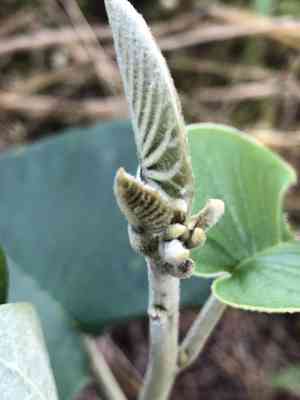
Elephant creeper, a rapidly developing perennial climber, showcases expansive heart-shaped foliage and robust stalks capable of swiftly enveloping various structures. Perform pruning in late winter or early spring, prior to the onset of new development. Eliminate any deceased or compromised sections, and sculpt the plant to manage its dimensions and foster a denser appearance. Throughout active growth periods, trim as necessary to regulate its size. Advantages of pruning encompass improved air movement, augmented blooming, and revitalized development. Refrain from extensive pruning late in the season, as this could impede the following year's floral display.
Advantages of Trimming Elephant Creeper
Advantages of Trimming Elephant Creeper
Trimming elephant creeper promotes abundant flowering, stimulates vitality, and maintains a desired shape. Strategic cuts can revitalize elephant creeper, boost its decorative appeal, and prevent excessive growth in confined areas.
Optimal Period for Pruning Elephant Creeper
Optimal Period for Pruning Elephant Creeper
Pruning in Spring coincides with elephant creeper's initial growth phase, as the plant begins active development. This is advantageous because cuts heal quicker, and the plant's form can be effectively managed for the growing season. Pruning during late Summer into early Fall is also suitable, allowing elephant creeper to recover before dormancy and avoiding times when new growth might be harmed by colder temperatures. Furthermore, it bypasses the heavy sap flow that can occur in early Spring, minimizing plant stress. However, avoid pruning late in the Fall, as this might induce new growth vulnerable to frost damage. During these recommended periods, pruning does not interfere with elephant creeper's flowering or fruiting cycles, thus ensuring the plant's health and aesthetic qualities are maximized.
Essential Tools for Pruning Elephant Creeper
Hand Pruners
For precise cutting and shaping of elephant creeper's tendrils and foliage, hand pruners are perfect. They enable clean cuts that help prevent disease and are suitable for elephant creeper's soft, herbaceous stems. Ensure sharp blades for a healthy trim.
Loppers
When dealing with thicker stems or branches of elephant creeper that hand pruners cannot manage, loppers are the next best option. They offer greater leverage and can cut through stems up to 1½ inches thick, crucial for managing elephant creeper's vigorous growth.
Pruning Saw
For mature and woody stems of elephant creeper, a pruning saw is indispensable. Its sharp, serrated blade can handle diameters exceeding 1½ inches, which can sometimes occur with older elephant creeper specimens.
Gloves
Wearing gloves is vital to shield hands from sap and rough edges while pruning elephant creeper. This ensures the gardener's safety and comfort.
Pruning Shears
For more delicate or detailed work on elephant creeper, such as thinning out small, congested areas, pruning shears provide precise control and are less likely to harm surrounding foliage.
How to Prune Elephant Creeper
Sanitize Tools
Before beginning, ensure all pruning tools are disinfected to prevent disease transmission to elephant creeper.
Remove Diseased Leaves
Carefully inspect elephant creeper and use sharp pruning shears to remove any diseased leaves. Make clean cuts at the leaf base to avoid damaging the main stem.
Trim Withered Leaves
Identify and trim all withered leaves from elephant creeper to encourage healthy growth and improve air circulation. Cut close to the stem, but be careful not to harm new buds or shoots.
Cut Withered Flowers
Locate withered flowers on elephant creeper and snip them off just above the nearest set of healthy leaves to encourage further blooming and maintain a neat appearance.
Clean Up
After pruning elephant creeper, gather and dispose of all removed plant parts to help prevent potential infection or unwanted pests in the garden.
Common Pruning Errors with Elephant Creeper
Excessive Pruning
Removing too much foliage from elephant creeper at once can stress the plant, potentially hindering growth or reducing its vigor. This can also lead to an unattractive appearance and reduced flowering.
Incorrect Cutting Technique
Using dull or dirty tools can damage elephant creeper stems, creating jagged cuts susceptible to pests and diseases. Proper, clean cuts are essential for the plant's health.
Neglecting Tool Hygiene
Failure to disinfect pruning tools between uses can spread diseases from plant to plant. This is particularly harmful when pruning elephant creeper, as it can be sensitive to infections.
Ignoring Plant Architecture
Not considering the natural shape and growth pattern of elephant creeper can result in an unnatural appearance and uneven growth, which can affect the plant's overall health.
Pruning Vital Parts
Removing too many of the plant's main vines or cutting back excessively can severely impact elephant creeper's ability to photosynthesize and grow effectively.
General Pruning Advice for Elephant Creeper
Sharp Tools
Always use sharp and clean pruning shears or scissors to make precise cuts. This helps promote quicker healing and reduces stress on elephant creeper.
Selective Thinning
Thin out the vines judiciously to enhance air circulation and light penetration. This will lead to a healthier elephant creeper with potentially more vigorous flowering.
Maintain Shape
Focus on maintaining the natural form of elephant creeper while pruning. Carefully remove wayward or overgrown vines to encourage a more manageable and aesthetically pleasing shape.
Encourage New Growth
Prune just above a node or a set of leaves to encourage bushier growth. This can lead to a fuller and more robust elephant creeper.
Remove Dead Or Diseased Material
Regularly inspect and remove any dead or diseased vines to prevent the spread of disease and to redirect energy to healthy parts of elephant creeper.



