How to Propagate Elephant creeper?
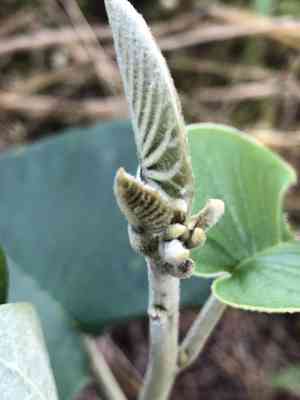
Elephant creeper is typically reproduced by planting its seeds. For effective sprouting, a consistently damp, free-draining substrate is advised. Position the seeds lightly on the surface of the soil, as they require illumination to germinate. Sustaining ideal environmental factors, including elevated temperatures and significant humidity, will encourage vigorous development. After the young plants produce their first true leaves, they can be progressively accustomed to less regulated environments prior to relocation.
Optimal Time for Elephant Creeper Propagation
Propagation Method
Seeding
Propagation Period
Spring
Essential Tools for Elephant Creeper Propagation
Seed trays
Seed trays are vital for initiating elephant creeper seeds indoors, offering a regulated setting crucial during the initial delicate germination phases. These trays aid in sustaining consistent soil moisture and temperature, both essential for optimal elephant creeper germination.
Quality potting mix
A well-draining, nutrient-rich potting medium promotes the robust development of elephant creeper seedlings by supplying vital nutrients and adequate soil aeration. This type of substrate is particularly advantageous for elephant creeper, preventing waterlogging that can lead to seed and root decay.
Misting bottle
A misting bottle is indispensable for gently hydrating elephant creeper seeds without dislodging them, a common risk with more forceful watering techniques. The fine mist ensures uniform soil moisture, fostering superior germination conditions without causing erosion or seed displacement.
Grow lights
When starting elephant creeper seeds indoors or in low-light environments, grow lights can deliver the necessary light spectrum that elephant creeper requires for photosynthesis and healthy growth during its germination and seedling stages. This equipment ensures young plants receive ample light, which is not always naturally available indoors.
Heating mats
Heating mats are especially beneficial for elephant creeper's propagation as they assist in maintaining soil temperature. Elephant creeper seeds germinate best in consistently warm soil, so heating mats can significantly enhance germination rates by providing the steady warmth necessary for seed development.
Labels and markers
Utilizing labels and markers to identify elephant creeper seed trays helps in tracking germination and development progress. This is crucial for adhering to a propagation schedule and for applying care specific to each stage of elephant creeper's growth.
How to Propagate Elephant Creeper?
Propagation Type
Simple
Caring for Your Newly Propagated Elephant Creeper
Caring for Your Newly Propagated Elephant Creeper
After propagation, gradually introduce elephant creeper seedlings to outdoor conditions if they are to be transplanted. Provide climbing supports, maintain moist soil, ensure proper drainage, and fertilize monthly with a balanced liquid feed. Shield elephant creeper from strong winds and heavy rains, which can harm the vines. Prune as needed to manage growth and encourage a bushier form.
Common Mistakes to Avoid When Propagating Elephant Creeper
Overwatering cuttings
Leads to root rot and fungal issues, hindering root formation.
Using non-sterile tools
Increases disease transmission risk, potentially killing cuttings.
Ignoring local pests
Pest infestations can severely damage or kill young elephant creeper plants.
Neglecting humidity needs
Germination and root health may suffer without adequate environmental moisture.
Planting cuttings too deep
Reduces oxygen flow to the cutting, potentially causing rot or delayed rooting.
Tips For Propagating Elephant Creeper
Use fresh seeds
Boosts germination rates due to higher viability compared to older seeds.
Ensure appropriate soil drainage
Prevents waterlogging and root rot, vital for elephant creeper plant health.
Maintain high humidity
Promotes rooting and healthy foliage development in elephant creeper cuttings.
Sanitize tools
Reduces disease risk, protecting vulnerable cuttings during propagation.
Monitor for pests
Early management prevents infestations from impacting the propagation success of elephant creeper.



