Enhancing Your Garden Design with the Elephant creeper Plant: A Landscaping Guide
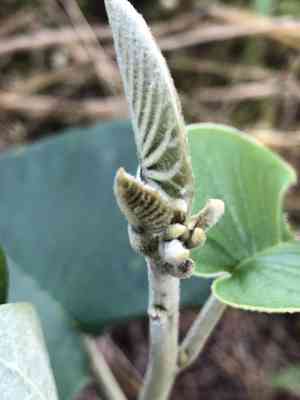
1
The Elephant creeper is a adaptable plant capable of spreading both across surfaces and upwards, ideal for various garden designs.
2
Choosing an appropriate site and complementary plants for Elephant creeper greatly improves your garden's aesthetic.
3
Consistent upkeep, such as seasonal attention and correct trimming, guarantees the Elephant creeper stays robust and lively throughout the year.
Introducing Elephant Creeper in Garden Design
Understanding the growth patterns of Elephant Creeper
Before incorporating Elephant Creeper into your landscape, it's vital to grasp its growth habits. This plant is known for its vigorous expansion, ascending trellises, arbors, and even walls via its twining stems. This perennial vine can also spread horizontally, serving as an excellent ground cover. Comprehending its growth behavior aids in more effective garden planning.
Advantages of utilizing Elephant Creeper in your garden
Integrating Elephant Creeper into your garden offers several perks. It's not only visually stunning, with abundant green leaves and attractive blooms, but it also offers a home for local wildlife. Furthermore, Elephant Creeper requires minimal upkeep once established, making it a superb option for both new and seasoned gardeners. Its extensive root system helps prevent soil erosion, contributing to your garden's stability.
Designing Your Landscape with Elephant Creeper
Selecting the optimal site for Elephant Creeper
Choosing the correct spot for Elephant Creeper is crucial for its development and aesthetic appeal. Opt for an area with partial to full sun exposure, as Elephant Creeper flourishes in these conditions. Ensure the soil drains well to avoid waterlogging, which can harm the plant. Whether you train it up a trellis or allow it to spread as ground cover, consider its mature size to prevent overcrowding.
Companion plants that complement Elephant Creeper
Pairing Elephant Creeper with suitable companion plants can boost your garden's beauty and vitality. Consider plants with similar light and moisture needs. Species with contrasting leaf colors or textures, such as ornamental grasses or shrubs, can enhance Elephant Creeper's vibrant foliage and flowers, creating a harmonious and visually pleasing garden.
Visual impact: Adding form and depth with Elephant Creeper
The robust growth of Elephant Creeper can significantly add structure and dimension to your garden. Utilize it to form natural arches over paths, conceal unattractive garden features, or create dense, green walls. The plant's capacity to climb vertically and spread horizontally allows for imaginative design possibilities, adding depth and a dynamic quality to your outdoor space.
Maintaining Elephant Creeper in Your Landscape
Seasonal care guidelines for Elephant Creeper
Seasonal care is essential for maintaining Elephant Creeper's health. During its active growth period, ensure consistent watering, especially during dry spells. Mulching can help retain soil moisture and regulate temperature. In colder months, if your climate experiences frost, consider protective measures like mulching around the base or using plant covers to shield Elephant Creeper from extreme cold.
Controlling growth: Pruning and guiding Elephant Creeper
Regular pruning is vital for managing Elephant Creeper's vigorous growth. Trim back overgrown or unwanted stems to maintain its desired shape and size. Training Elephant Creeper early on can help direct its growth along trellises or other supports. Use garden ties to gently guide stems in the intended direction, ensuring the plant covers the desired areas without becoming invasive.
Creative Design Concepts Using Elephant Creeper for Aesthetic Appeal
Establishing focal points with Elephant Creeper
Employ Elephant Creeper to create striking focal points in your garden. Allow it to gracefully drape over a pergola or archway, framing entrances and adding a touch of drama. Its lush greenery and blossoms can attract attention, making a statement in any landscape. Combining it with strategically placed garden sculptures or water features can further amplify its impact.
Integrating Elephant Creeper in compact gardens and areas
Even small gardens can benefit from Elephant Creeper's charm. Its ability to grow vertically makes it perfect for confined spaces. Install a trellis or other vertical support to allow Elephant Creeper to climb and conserve ground space. In pots and containers, Elephant Creeper can be trained to trail downwards, adding a lush, cascading effect to patios or balconies.
Utilizing Elephant Creeper in vertical gardening
Elephant Creeper excels in vertical gardening setups, making it ideal for urban gardens or areas with limited horizontal space. Use it to cover walls, fences, or create green screens that offer privacy and shade. Its rapid growth ensures your vertical garden will appear full and vibrant quickly, transforming bare surfaces into lush, green features.
The Ecological Impact of Incorporating Elephant Creeper in Landscapes
Elephant Creeper's contributions to biodiversity
Adding Elephant Creeper to your garden can boost local biodiversity. Its flowers attract pollinators such as bees and butterflies, crucial for a flourishing ecosystem. Additionally, its dense foliage provides shelter and nesting sites for various garden creatures, fostering a balanced and diverse natural environment.
Adaptability and resilience of Elephant Creeper in diverse climates
Elephant Creeper is remarkably adaptable, thriving in various climates. Its resilience makes it a dependable choice for gardeners in different regions. Whether facing humid summers or cooler temperatures, Elephant Creeper can adjust and continue to grow robustly, making it a versatile addition to any garden landscape.



