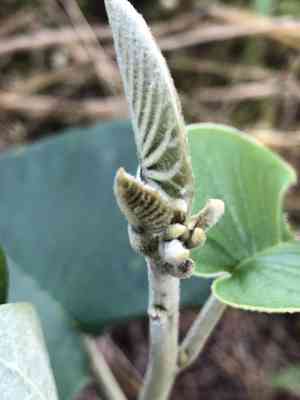
Elephant creeper (Argyreia nervosa)
Also known as: Woolly morning glory
An example of an invasive plant species that has caused significant harm to native flora in Australia is the prickly pear cactus (Opuntia spp.). Originating from the Americas, it proliferated rapidly after being introduced in the 19th century. The dense, spiny growth of this cactus outcompetes native plants for resources, severely disrupting local ecosystems and reducing biodiversity.
In This Article
Attributes of Elephant creeper
Lifespan
Perennial
Plant Type
Herb, Vine
Plant Height
10 m
Spread
50 cm to 1 m
Leaf Color
Green
Flower Size
5 cm to 8 cm
Flower Color
White Pink Purple Lavender
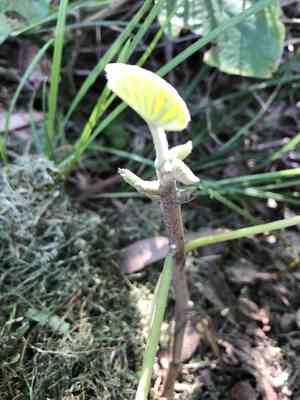
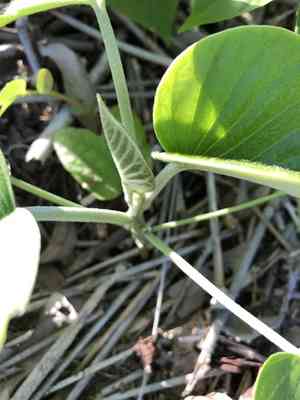
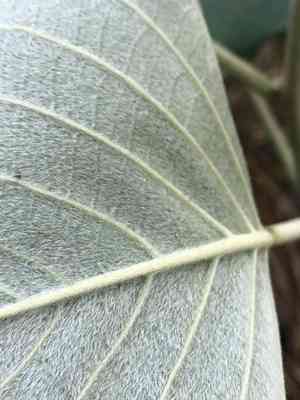
Images of Elephant creeper
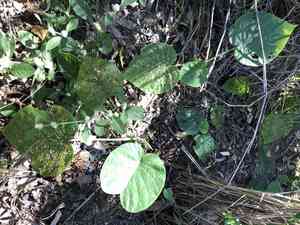
Quickly Identify Elephant creeper
1
To identify Argyreia nervosa, look for heart-shaped leaves with a velvety texture and silvery undersides. The plant produces trumpet-shaped flowers that are typically purple or pink. The seed pods are woody and resemble small roses, which is one of the reasons behind its common name.
Scientific Classification of Elephant creeper
Phylum
Vascular plants
Class
Dicotyledons
Order
Solanales
Family
Morning-glory
Genus
Argyreia
Species
Elephant creeper
Planting and Growing of Elephant creeper
Care Difficulty
Easy
Watering Schedule
Every 2 days
Sunlight Requirements
Partial sun
Sunshine Duration
4-6 hours
Ideal Temperature
70-85℉
Soil Type
Potting Mix, Peat Mix
Soil pH
6.5-7.5
Fertilizer Type
Balanced
Pruning Season
Spring, Summer
Pruning Area
Branches, Leaves
Pruning Frequency
2 times a year
Repotting Season
Spring
Pot Type
Plastic, Ceramic
 How to Water Elephant creeper?
For Argyreia nervosa, also known as the Hawaiian baby woodrose, aim to water generously until the water drains out of the pot's bottom, ensuring the soil is moist but not soggy. This helps maintain a balance that's vital for the roots to absorb necessary nutrients while preventing root rot.
What are the symptoms of an underwatered Elephant creeper?
›
What should I do if my Elephant creeper is not getting enough water?
›
What are the symptoms of an overwatered Elephant creeper?
›
How to save an overwatered Elephant creeper?
›
 What Are the Sunlight Requirements for Elephant creeper?
Argyreia nervosa prefers partial sun, which means it should receive morning sunlight or late afternoon light for several hours. Ideal light conditions promote healthy foliage and robust overall growth.
More About Sunlight Requirements Techniques→
What is the optimal sunlight amount?
›
How to achieve ideal lighting conditions?
›
What are the benefits of ideal lighting?
›
 What Is the Ideal Temperature Range for Elephant creeper?
Argyreia nervosa thrives best in temperatures ranging between 70°F and 85°F. This temperature range supports optimal photosynthesis and metabolic activities, contributing to robust growth and vibrant foliage.
 What Soil is Best for Elephant creeper?
Argyreia nervosa thrives in nutrient-rich soil, as it supports robust growth and flowering. Using organic compost or well-decomposed manure can significantly benefit its development, ensuring healthy foliage and blooms. This plant requires well-draining soil to prevent root rot. A mixture of loam and sand ensures the perfect balance, allowing excess water to escape and thus maintaining healthy root systems. While requiring drainage, the soil must also retain adequate moisture. Sandy loam with organic materials helps in sustaining hydration, ensuring that Argyreia nervosa doesn't dry out, especially in warmer climates.
 How to Fertilize Elephant creeper?
Argyreia nervosa benefits from a balanced feeding regimen. Apply liquid fertilizer at a rate of one tablespoon per gallon of water. For slow-release granules, use around two tablespoons per plant, ensuring an even spread around the base.
 How to Prune Elephant creeper?
Begin by identifying dead or diseased stems and remove them entirely. Trim back any straggly or excessive growth to maintain a pleasing shape and encourage bushiness. Always cut just above a bud or node to promote healthy regrowth. Argyreia nervosa can grow vigorously; thus, regular pruning helps maintain your desired shape and size. Focus on removing tangled vines and wayward stems that detract from the plant's appearance.
More About Pruning Techniques→
 How to Propagate Elephant creeper plant?
1
Use a well-draining medium such as a mix of sand, peat, and vermiculite. Ensure that it is slightly moist before sowing seeds or inserting cuttings.
2
Scatter the seeds evenly over the prepared tray, covering them lightly with the planting medium. Lightly mist the surface with water to initiate germination.
3
Select healthy, non-flowering stems and cut them just below a node. Remove the lower leaves to reduce water loss and insert the cuttings into the moist medium.
 How to Repot Elephant creeper plant?
1
Argyreia nervosa should be repotted when you notice roots protruding from drainage holes or when the plant appears stunted despite optimal care. These signs indicate the plant is root-bound and needs more space to thrive. Repotting during the active growing seasons of spring or summer allows the plant to recover quickly and adapt to its new environment.
2
Select a pot that is about 2 inches larger in diameter than the current one. This provides sufficient space for root expansion without overwhelming the plant with excess soil, which can lead to water retention and root rot. Additionally, ensure the pot has adequate drainage holes to prevent waterlogging, fostering a healthy root environment.
3
Opt for a soil mix that is rich in organic material and offers excellent drainage. A mix of potting soil, coconut coir, and perlite creates an ideal balance, allowing moisture to reach the roots without causing soggy conditions. Well-draining soil promotes healthy root growth and reduces the risk of fungal issues.
Toxicity
Ingestion, Exposure to seeds
WARNING
The judgment on toxicity and danger is for reference only. We DO NOT GUARANTEE any accuracy of such judgment. Therefore, you SHALL NOT rely on such judgment. It is IMPORTANT TO SEEK PROFESSIONAL ADVICE in advance when necessary.
Learn More About Elephant creeper Diseases
Anthracnose
Bacterial Leaf Spot
Bacterial Soft Rot
Bacterial Wilt
Black Spot
Chemical Injury
Crown Gall
Cyst Nematode
Damping-off
Downy Mildew
Drought Stress
Fusarium Wilt
Gray Mold
Leaf Curl
Leaf Spot
Mosaic
Nutrient Deficiency
Nutrient Toxicity
Powdery Mildew
Root Rot
Root-knot Nematode
Rusts
Sooty Mold
Spider Mites
Temperature Stress
Thrips Damage
White Mold



