How to Transplant Mountain sandwort?
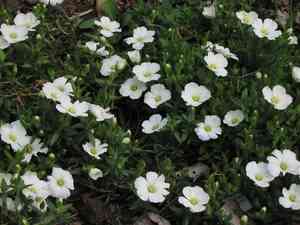
Relocating mountain sandwort is most effective in the vigor of early to mid-spring, utilizing the milder temperatures for root development. Select a bright location with soil that drains efficiently. During the transplanting process, ensure sufficient soil hydration and reduce root agitation for optimal outcomes.
What Preparations are Needed Before Transplanting Mountain Sandwort?
What is the Ideal Time for Transplanting Mountain Sandwort?
Early spring, as the ground thaws, offers an optimal window for relocating mountain sandwort. This timing allows roots to establish before summer's intense heat. Moving mountain sandwort during this season aligns with its natural growth cycle, ensuring a smooth transition and vigorous development. This careful scheduling helps mountain sandwort flourish, providing an early start for root development and overall vitality.
How Much Space Should You Leave Between Mountain Sandwort Plants?
Firstly, ensure proper spacing for your mountain sandwort plants. A gap of approximately 1-2 feet (30-60 cm) between them is ideal. Adequate spacing guarantees ample room for optimal spreading and growth.
What is the Best Soil Mix for Mountain Sandwort Transplanting?
Next, mountain sandwort thrives in well-drained, slightly acidic soil. Therefore, prepare your garden bed with a rich compost or organic matter base. Incorporating a balanced slow-release fertilizer will also aid in the plants' prosperity.
Where Should You Relocate Your Mountain Sandwort?
Finally, location is crucial for mountain sandwort! These plants love abundant sunlight, so select a sunny spot in your garden for transplanting. They will flourish with 6 or more hours of direct sun daily, so ensure they receive plenty of light!
What Equipments Should You Prepare Before Transplantation Mountain Sandwort?
Shovel or Garden Spade
To excavate the mountain sandwort from its initial spot while safeguarding its root system.
Gardening Gloves
To shield your hands when handling the plant and working with the soil.
Garden Trowel
Useful for digging smaller holes, especially when moving from a pot or a seedling tray.
Watering Can or Garden Hose
To hydrate the plant both prior to and following transplantation.
A Bucket or Wheelbarrow
To move the plant from its original position to the new site.
Mulch
To assist the soil/ground around the newly transplanted plant in retaining moisture.
Garden Pruners
To trim any dead or damaged sections of the plant after transplanting.
How Do You Remove Mountain Sandwort from the Soil?
How Do You Remove Mountain Sandwort from the Soil?
From Ground: Begin by watering the mountain sandwort plant to moisten the soil. This facilitates easier extraction and reduces stress on the mountain sandwort plant. Using a garden spade or shovel, carefully dig around the plant, taking care not to harm the root system. Gently lift the plant from the ground, ensuring the root ball remains intact.From Pot: Water the plant thoroughly before removal. Invert the pot gently and tap it to loosen the root ball. Hold the plant's base and carefully pull it free. If resistance occurs, do not force it. Instead, tap the pot's sides and bottom again.From Seedling Tray: Water the mountain sandwort seedlings to dampen the soil, then gently ease each seedling out, being careful not to damage the delicate roots. Always handle seedlings by their leaves, never by their stems. This way, if the seedling is accidentally crushed, it can potentially generate new leaves, but a damaged stem is often fatal.
Step-by-Step Guide for Transplanting Mountain Sandwort
Preparation
Once the mountain sandwort plant has been safely removed from its initial location, prepare the new planting site. The hole should be twice as wide as the root ball and of equal depth.
Placement
Position the mountain sandwort plant into the hole, ensuring the top of the root ball is level with the ground. Avoid planting too deeply as this can lead to rot.
Backfill
Refill the hole with the same soil you excavated, gently firming it around the base of the mountain sandwort plant to stabilize it. Create a shallow depression around the edge to help retain water.
Watering
Thoroughly water the transplant immediately after planting.
Mulching
Apply a layer of mulch around the base, leaving some space around the plant stem to prevent rot. This will help maintain moisture and suppress weeds.
How Do You Care For Mountain Sandwort After Transplanting?
Watering
Water the mountain sandwort plant thoroughly right after transplanting, and keep the soil moist for the initial few weeks. This will encourage the plant to develop strong roots in its new spot.
Pruning
Trim any dead or damaged parts of the mountain sandwort plant after transplanting. This allows the plant to direct its energy towards establishing healthy new roots and growth.
Monitoring
Closely observe the transplanted mountain sandwort during the first few weeks. Monitor its health and growth and look out for any signs of transplant shock such as wilting, yellowing, or drooping leaves. Stress from transplanting can make plants more vulnerable to pests and diseases, so treatment may be necessary if symptoms persist.
Feeding
Once the plant appears to have settled into its new location (typically after a few weeks), you can provide it with a balanced all-purpose fertilizer to promote healthy growth. However, be cautious not to over-fertilize as this can harm your newly transplanted mountain sandwort.
Troubleshooting Common Issues with Mountain Sandwort Transplantation.
When is the best time to transplant mountain sandwort?
The optimal periods to transplant mountain sandwort are S1-S2. This is when the plant is most likely to thrive and establish itself successfully.
What should the ideal depth be when planting mountain sandwort?
You should plant mountain sandwort at the same depth it was in its previous container. This ensures the plant roots are not exposed, preventing damage.
What'd be the best location to transplant mountain sandwort?
Mountain sandwort prefers well-drained soil in a sunny location. Ensure it receives ample sun and is away from water-logged or excessively damp areas.
What is the appropriate spacing for mountain sandwort when transplanting?
For healthy development, space mountain sandwort plants approximately 1-2 feet (30-60 cm) apart. This provides them with sufficient room to grow without competing for resources.
How should I handle mountain sandwort during transplantation to avoid damage?
Handle mountain sandwort gently during transplantation. Ensure the root-ball is intact and handled minimally to reduce stress and potential harm to the plant.
How often should I water mountain sandwort once transplanted?
Mountain sandwort requires regular watering after transplanting until it establishes. However, avoid overwatering as it prefers well-drained soil, and excess water can lead to root rot.
Do I need to add fertilizer when transplanting mountain sandwort?
Yes, a slow-release, balanced fertilizer is recommended when transplanting mountain sandwort to encourage strong, healthy growth. But remember, less is often more with fertilizer.
What if the transplanted mountain sandwort plant shows signs of wilting or yellowing?
This may indicate shock or water stress. Ensure mountain sandwort is watered regularly but not overwatered, and protect it from extreme temperatures.
How do I ensure a successful transplantation of mountain sandwort in a harsh climate?
In harsh climates, select a location that receives early morning sun and afternoon shade. Use mulch to retain moisture and protect the roots of your mountain sandwort.
What if the transplanted mountain sandwort isn't showing growth?
Ensure mountain sandwort is in a sunny, well-drained location and watered properly. If there's still no growth after a few weeks, consult with a local horticulturalist.



