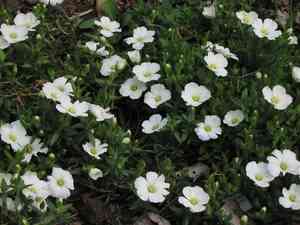
Mountain sandwort (Arenaria montana)
Also known as: Mountain Sandwort
Mountain sandwort thrives in well-drained, sandy or rocky soil with plenty of sunlight. Ideal for rock gardens, this low-growing, flowering evergreen features striking white flowers. While it prefers moist soil initially, it becomes drought-tolerant once established. For propagation, divide the plants in spring or fall.
In This Article
Attributes of Mountain sandwort
Lifespan
Perennial, Annual
Plant Type
Herb
Plant Height
10 cm
Spread
10 cm
Leaf Color
Green
Flower Size
2.5 cm
Flower Color
White
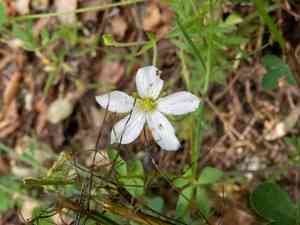
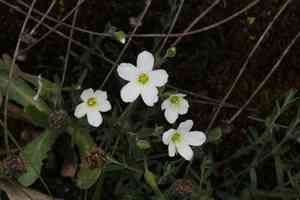
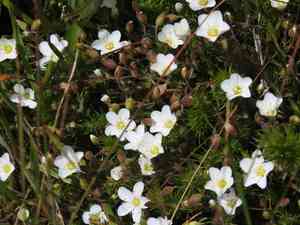
Images of Mountain sandwort
Quickly Identify Mountain sandwort
1
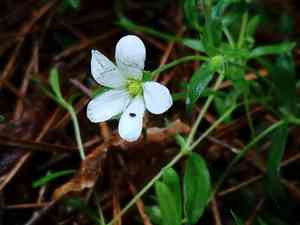
Look for its mat-forming growth habit, lanceolate, green leaves, and its small, star-shaped white flowers that typically bloom in late spring to early summer.
Scientific Classification of Mountain sandwort
Phylum
Vascular plants
Class
Dicotyledons
Order
Caryophyllales
Family
Pink
Genus
Sandworts
Species
Mountain sandwort
Planting and Growing of Mountain sandwort
Care Difficulty
Easy
Watering Schedule
Every 3 days
Sunlight Requirements
Full sun
Sunshine Duration
4-8 hours
Ideal Temperature
60-75℉
Soil Type
Potting Mix, Peat Mix
Soil pH
6.5-7.5
Fertilizer Type
Balanced
Pruning Season
Spring, Summer
Pruning Area
Branches, Leaves
Pruning Frequency
2 times a year
Repotting Season
Spring
Pot Type
Plastic, Ceramic
 How to Water Mountain sandwort?
For Arenaria montana, ensure each watering session delivers around 300ml, enough to thoroughly soak the soil but not waterlog it. It is crucial to maintain natural soil moisture without allowing the plant to sit in standing water.
What are the symptoms of an underwatered Mountain sandwort?
›
What should I do if my Mountain sandwort is not getting enough water?
›
What are the symptoms of an overwatered Mountain sandwort?
›
How to save an overwatered Mountain sandwort?
›
 What Are the Sunlight Requirements for Mountain sandwort?
Partial to full sun exposure allows Arenaria montana to thrive. Such lighting enables optimal photosynthesis, resulting in sturdy growth, vibrant foliage, and frequent blooming.
More About Sunlight Requirements Techniques→
What is the best time to provide sunlight to Arenaria montana?
›
How can I replicate the ideal lighting conditions indoors?
›
What benefits does Arenaria montana have with proper lighting?
›
 What Is the Ideal Temperature Range for Mountain sandwort?
For optimal growth of Arenaria montana, the temperature should remain between 60°F and 75°F. This range supports healthy metabolism and growth, ensuring the plant receives enough warmth without stress from heat exposure. Maintaining this range daily helps avoid stunting and ensures lush foliage.
 What Soil is Best for Mountain sandwort?
Arenaria montana thrives in soil that offers excellent drainage. This is essential to prevent waterlogging which can lead to root rot and deteriorate the plant's health. Choosing well-drained soil ensures that the roots receive adequate oxygen and nutrients, promoting robust growth. Moderately fertile soil provides just the right amount of nutrients for Arenaria montana without overwhelming it. This balance helps the plant maintain its natural growth patterns and supports healthy flowering, ultimately enhancing its visual appeal. Arenaria montana prefers a slightly alkaline environment. A soil pH leaning towards the higher end of the neutral range enhances nutrient availability and optimizes enzyme activity, promoting better growth and flowering.
 How to Fertilize Mountain sandwort?
For Arenaria montana, use a balanced all-purpose fertilizer at a rate of one teaspoon per gallon of water for liquid application. This ensures that the plant receives adequate nutrients without the risk of over-fertilization, which can lead to root burn.
 How to Prune Mountain sandwort?
To prune Arenaria montana, start by using clean and sharp scissors or a small pruner. Gently trim back any dead or damaged stems to encourage fresh growth. It's also beneficial to shape the plant, cutting it back to maintain a compact and manageable size. Always remove spent flowers — deadheading not only improves the plant's appearance but also promotes further blooming. Be mindful of cutting just above a leaf node to encourage new growth from that point.
More About Pruning Techniques→
 How to Propagate Mountain sandwort plant?
1
Before starting any propagation, gather all necessary materials such as soil, seed trays, rooting hormone, and pruning shears to streamline the process and prevent delays.
2
Prepare a well-draining soil mix suitable for Arenaria montana by combining peat moss, perlite, and horticultural sand to provide a light texture that promotes root growth.
3
Select healthy stems from the parent plant and use pruning shears to make a clean cut below a leaf node. Remove lower leaves and dip the ends in rooting hormone to encourage rooting.
 How to Repot Mountain sandwort plant?
1
Look for signs such as roots growing through the drainage holes, soil that dries out extremely quickly after watering, or significantly stunted growth. These signals indicate it's time for your Arenaria montana to move to a larger pot.
2
Select a pot that's only a size larger than the current one, preferably made of terracotta to ensure breathability. This helps in avoiding waterlogging, promotes healthy root growth, and mimics its native rocky habitat.
3
A sandy or gritty mix that allows for excellent drainage is ideal. This type of soil prevents root rot and mirrors the plant's natural alpine conditions, promoting healthy and robust growth.



