How to Propagate Mountain sandwort?
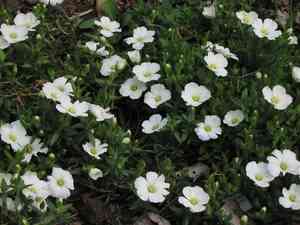
Originating from elevated terrains, mountain sandwort flourishes in stony, permeable substrates, exhibiting an abundant display of white blossoms. To multiply mountain sandwort, sections ought to be harvested from robust, thriving specimens. Sever non-blooming stems for superior outcomes and establish their roots in a blend of sand and peat for ideal circumstances, guaranteeing consistent dampness without saturation. Careful attention during the initial rooting period will cultivate strong new plants prepared for relocation to an appropriate outdoor setting.
Optimal Period for Mountain Sandwort Propagation
Propagation Method
Cutting
Propagation Season
Spring,Summer
Tools Required for Mountain Sandwort Propagation
Sharp Pruning Shears
Precise pruning shears are vital for making clean cuts on mountain sandwort stems for propagation. A clean cut prevents harm to the parent plant and promotes healthier cuttings, reducing infection risk and boosting rooting success. The accuracy of sharp shears is especially beneficial for mountain sandwort, which demands careful handling to preserve its delicate stem structure.
Rooting Hormone Powder
Rooting hormone powder speeds up root formation on mountain sandwort cuttings. Dipping fresh stem ends into the hormone powder significantly increases the likelihood of successful rooting. This is crucial for mountain sandwort, ensuring new plants establish quickly and robustly, which is essential for their survival and subsequent growth in their new environment.
Sterilized Potting Mix
A sterilized potting mix offers mountain sandwort cuttings a disease-free environment to begin root growth. The mix should drain well yet retain enough moisture to support cuttings during their critical rooting phase. Sterility is paramount to prevent fungal or bacterial infections, which could harm the delicate new roots of mountain sandwort.
Propagation Tray
A propagation tray helps organize and manage multiple mountain sandwort cuttings in a confined, controlled space. Trays assist in maintaining consistent temperature and moisture levels, both vital for the rooting process. The controlled environment minimizes risks from external factors that could hinder new root growth, such as extreme temperature shifts or waterlogging.
Clear Plastic Dome
Placing a clear plastic dome over the propagation tray creates a mini-greenhouse effect. This setup maintains high humidity around mountain sandwort cuttings, crucial for preventing delicate new stems from drying out before roots establish. The dome also helps stabilize temperature, further enhancing the rooting environment for mountain sandwort.
How to Propagate Mountain Sandwort?
Propagation Type
Easy
Caring for Newly Propagated Mountain Sandwort
Caring for Newly Propagated Mountain Sandwort
After rooting, which typically takes several weeks, gradually acclimate the new mountain sandwort plants to less humid conditions by slowly reducing humidity over several days. Once established, transplant them to their permanent location where they can receive full sun to partial shade. Mountain sandwort prefers well-drained, sandy soil and tolerates dry conditions once fully established. Water regularly until the plants are well-rooted and established, then decrease frequency, allowing the soil to dry slightly between waterings.
Common Errors to Avoid When Propagating Mountain Sandwort
Overwatering
Watering mountain sandwort too often can cause root rot, as it prefers well-draining soil and dislikes 'wet feet'. Excessive moisture can suffocate the roots, hindering successful propagation.
Deep planting
Planting mountain sandwort cuttings or seeds too deeply can impede germination and root development. These plants require a shallow planting depth for proper growth.
Neglecting division timing
Attempting to divide mountain sandwort at an inappropriate growth stage can stress the plant and reduce successful propagation. It's crucial to divide when the plant is robust and not during flowering.
Ignoring soil quality
Using an unsuitable soil mixture for mountain sandwort can hinder root development. A well-draining soil that mimics its natural rocky habitat is necessary for optimal propagation.
Tips for Propagating Mountain Sandwort
Stem cuttings
Use healthy, non-flowering stems from mountain sandwort for cuttings. Ensure cuts are clean and apply rooting hormone to encourage root growth.
Surface sowing
For seed propagation, gently press mountain sandwort seeds into the soil surface, as they need light to germinate. Avoid burying the seeds.
Adequate spacing
Provide mountain sandwort cuttings or seedlings with sufficient space to grow. Crowding can inhibit growth and increase the risk of fungal diseases due to poor air circulation.
Root division care
When dividing mountain sandwort, do so gently to prevent significant root damage. Be sure to replant the divisions promptly and water them carefully to establish the new plants.



