Enhancing Your Garden Design with the Mountain sandwort Plant: A Landscaping Guide
1
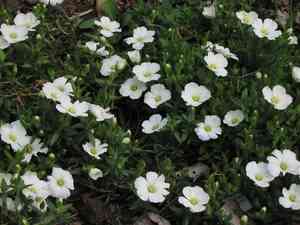
Mountain sandwort flourishes in soil that drains effectively and in areas with ample sunlight.
2
Pairing Mountain sandwort with plants of varying elevations adds aesthetic appeal.
3
Consistent trimming helps Mountain sandwort retain its form and vitality.
Incorporating Mountain sandwort With Other Plant Varieties
Selecting Companion Plants for Mountain sandwort
Combining Mountain sandwort with diverse plant types can establish a vibrant landscape. To choose suitable companions, opt for those sharing similar soil and light needs. This ensures all plants flourish together. For instance, pairing Mountain sandwort with arid-tolerant species like lavender or succulents can form a cohesive, low-maintenance garden. Additionally, varied textures and leaf colors can make the garden more captivating and visually appealing.
Understanding Color Harmony
Color harmony is vital when landscaping with Mountain sandwort. Its bright white blossoms can be complemented by plants offering blue, purple, or green hues, creating a pleasant contrast. When picking companion plants, consider their bloom times to guarantee a continuous display of colors throughout the growing season. This way, your garden stays lively and attractive all year.
Benefits of Mixed-Species Plantings
Implementing mixed-species plantings offers several advantages. Diverse flora can attract beneficial insects and boost pollination. Furthermore, a variety of plants can occupy different garden niches, reducing weed growth and optimizing water usage. For example, Mountain sandwort's low-growing habit can serve as excellent ground cover, while taller plants like ornamental grasses add height and depth.
Arranging Mountain sandwort in Various Garden Styles
Integrating Mountain sandwort in Formal Gardens
In formal garden settings, Mountain sandwort can be arranged in neat, structured patterns. Use Mountain sandwort to border paths or create symmetrical designs around central features like fountains or sculptures. Its compact form and consistent flowering make it perfect for maintaining the clean lines and orderly look typical of formal gardens.
Utilizing Mountain sandwort in Cottage-style Landscapes
In a cottage-style garden, Mountain sandwort blends seamlessly with the informal, flowing layout that defines this style. Plant Mountain sandwort alongside other perennials and annuals, allowing it to cascade over pathways and intermingle naturally with more exuberant blooms. This approach creates a charming, whimsical effect that is both inviting and visually stimulating.
Modern Minimalist Applications with Mountain sandwort
For modern minimalist landscapes, Mountain sandwort can provide clean lines and subtle elegance. Use Mountain sandwort in conjunction with sleek hardscaping elements like concrete or gravel. Its understated beauty complements the simplicity and functionality of minimalist design. A few strategically placed clusters of Mountain sandwort can soften harsh lines and add a touch of natural beauty without overwhelming the overall aesthetic.
Optimal Placement and Positioning of Mountain sandwort in Landscape Designs
Factors Influencing Plant Siting
When deciding where to position Mountain sandwort, consider elements like soil type, sun exposure, and water drainage. Mountain sandwort prefers well-draining soil and full sun but can tolerate some partial shade. Site selection is crucial for ensuring Mountain sandwort's health and longevity. Avoid low areas where water accumulates, as excessive moisture can lead to root rot.
Maximizing Visual Impact with Mountain sandwort
Strategic placement of Mountain sandwort can enhance its visual appeal in the landscape. Position Mountain sandwort at the front of garden beds to create a carpet-like effect. Alternatively, intersperse Mountain sandwort among taller plants to provide a contrasting backdrop that highlights its delicate flowers. Using Mountain sandwort in rock gardens or among stepping stones can also create striking displays.
Balancing Sunlight and Shade for Mountain sandwort
Balancing sunlight and shade is vital for Mountain sandwort's optimal growth. While Mountain sandwort thrives in full sun, it can also perform well in areas with dappled shade, especially in hotter climates. Observe the sunlight patterns in your garden and adjust Mountain sandwort's positioning to ensure it receives adequate light without being exposed to harsh midday sun.
How to Ensure Seasonal Beauty with Mountain sandwort
Seasonal Transition Strategies
To keep your garden appealing throughout the year, plan for seasonal transitions involving Mountain sandwort. Incorporate plants that bloom in different seasons to maintain continuous color and interest. For example, early spring bulbs can precede Mountain sandwort's flowering period, while autumn-blooming perennials can take over as Mountain sandwort begins to fade.
Choosing Perennial Companions for Year-round Appeal
Pairing Mountain sandwort with other perennials ensures consistent beauty in your garden. Select companions that bloom at various times of the year to create a seamless color display. For instance, combining Mountain sandwort with early-blooming hellebores and late-blooming asters can provide visual interest from spring through fall.
Highlighting Mountain sandwort Spring Blooms
The spring blooms of Mountain sandwort are a highlight in any garden. To make the most of this season, position Mountain sandwort where it can be easily appreciated, such as near walkways or seating areas. Integrate spring-flowering bulbs like daffodils and tulips to complement Mountain sandwort's white flowers and create a vibrant spring display.



