How to Transplant Cape dandelion?
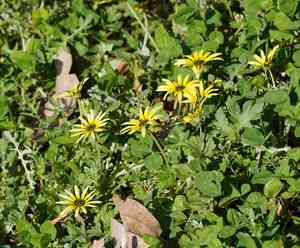
The most favorable period for relocating cape dandelion is during the warmer season, from late spring through mid-summer, to guarantee vigorous development. Select a bright spot with soil that drains effectively. Should cape dandelion exhibit signs of distress, provide ample watering after transplanting to facilitate a smooth adjustment.
Necessary Preparations Before Moving Cape Dandelion?
When is the Best Time to Relocate Cape Dandelion?
For cape dandelion, the optimal period for relocation is the gentle transition from late spring to early summer. This timeframe, characterized by mild temperatures and consistent moisture, promotes strong root development and adaptation. Moving cape dandelion at this point leverages the warming soil and the start of an extended growing season. Transplanting cape dandelion now will give it a head start to establish itself before the peak summer heat, boosting its chances of flourishing in your garden's setting.
What Distance Should Be Maintained Between Cape Dandelion Plants?
Relocating cape dandelion necessitates careful spacing. Aim for a separation of approximately 2-3 feet (60-91 cm) between each plant. This provides ample room for healthy development and flowering without overcrowding.
What is the Ideal Soil Mixture for Cape Dandelion Relocation?
For cape dandelion, soil that drains well is essential. Enhance soil drainage by incorporating coarse sand or organic compost. Add a foundational fertilizer rich in phosphorus and potassium for robust root growth and blooming.
Where Should You Replant Your Cape Dandelion?
Choose a spot for cape dandelion where it will receive ample sunlight, ideally at least 6 hours daily. If you are in an area with very intense midday sun, opt for a location with partial shade.
What Tools Should You Prepare Before Relocating Cape Dandelion?
Gardening Gloves
To protect your hands while handling soil and the plant.
Garden Trowel
Useful for digging the appropriate-sized hole for your cape dandelion and for extracting it from its current spot.
Shovel
If your cape dandelion is considerably larger, a shovel will be required to dig a suitably sized hole and to safely lift the plant.
Watering Can
To keep the cape dandelion hydrated during the relocation process.
Compost
To supply the plant with essential nutrients in its new environment.
Stakes and Gardening Strings
Helpful for supporting the cape dandelion in the initial phase after relocation if it is a larger specimen.
How Do You Extract Cape Dandelion from the Soil?
How Do You Extract Cape Dandelion from the Soil?
From Ground: Begin by watering the cape dandelion to moisten the soil, which will facilitate digging and removal. Using a garden trowel or a shovel for larger plants, carefully dig around the plant, ensuring the plant's root ball remains undisturbed. Gently work the tool beneath the root ball and lift the plant from its location.From Pot: Water the cape dandelion until the soil becomes damp. Turn the pot on its side, and gently hold the plant as you tap the bottom of the pot to loosen it. Slide the plant out while supporting its base, being careful not to damage any roots.From Seedling Tray: Water the seedlings and allow the soil to absorb the moisture. Using a spoon or similar utensil, gently scoop the cape dandelion out, ensuring you capture the roots. Pulling the seedling out may harm its roots, so ensure it's done with care.
Step-by-Step Guide for Relocating Cape Dandelion
Site Preparation
Prepare the new site by loosening the soil with a garden trowel or shovel. Create a hole that is twice the size of the cape dandelion's root ball.
Application of Compost
Add a layer of compost to the base of the hole to provide the plant with vital nutrients.
Placing the Plant
Position the cape dandelion in the hole, ensuring the top of the root ball is level with the ground surface. Backfill around the plant with the prepared soil, pressing down gently.
Watering
Once the plant is in place, water it thoroughly. Ensure the water penetrates deeply into the soil to reach all the roots.
Staking (if necessary)
If your cape dandelion is tall or unstable, consider using stakes and strings to offer additional support.
How Do You Care For Cape Dandelion After Relocation?
Watering Needs
Ensure the cape dandelion is adequately watered during the initial few weeks. The root zone must be kept moist, but be careful not to overwater, as this can lead to root rot.
Checking Plant Health
Monitor your cape dandelion after relocation. Drooping or wilting is normal due to transplant stress, but if it persists, it could indicate further issues. Check for any pests or diseases.
Maintaining Space
Ensure the cape dandelion is not crowded by other plants. Providing it with the necessary space will help it grow without competition for resources.
Pruning
To encourage growth, trim any withered stems or leaves.
Addressing Common Issues with Cape Dandelion Relocation.
What is the ideal time of year to relocate cape dandelion?
The best time to relocate cape dandelion is during the late summer to early autumn periods.
How can I prepare the soil before relocating cape dandelion?
For cape dandelion, aerate the soil and incorporate compost for nutrients. Also ensure proper drainage and optimal pH levels.
What is the optimal spacing for cape dandelion when relocating?
To ensure proper growth, allow each cape dandelion approximately 2-3 feet (60-90 cm) of space from the next plant.
How deep should I plant cape dandelion when relocating?
Relocate cape dandelion at the same depth it was previously growing. The root ball should be at soil level.
How should I water cape dandelion after relocating?
Provide cape dandelion with a thorough watering after relocating, but avoid waterlogging. Always keep the soil moist, not saturated.
How to handle cape dandelion during the relocation?
Handle cape dandelion gently during relocation. Avoid damaging the roots or stems, which can stress the plant.
Can I use fertilizer immediately after relocating cape dandelion?
It's best to wait a couple of weeks after relocating cape dandelion before applying fertilizer to prevent root burn.
How to care for cape dandelion after relocation?
Keep the soil moist and observe the cape dandelion for signs of shock like wilting or discoloration. Fertilize after a few weeks.
What if the cape dandelion wilts after relocation?
Cape dandelion may exhibit transplant shock by wilting. If this occurs, provide shade and more frequent watering until it recovers.
How to select a relocation site for cape dandelion?
Choose a site with ample sun exposure and well-drained soil for cape dandelion. Ensure there are no competing roots nearby.



