How to Prune Cape dandelion?
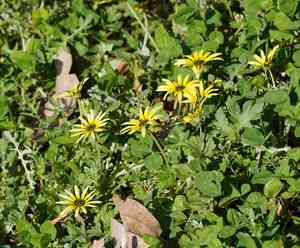
A robust groundcover, cape dandelion flourishes with consistent trimming to preserve its form and stimulate thick development. Lightly prune in spring to eliminate deceased leaves and once more in summer for revitalization. During autumn, perform a substantial cutback to manage its expansion. Trimming not only sculpts cape dandelion but also averts excessive growth and potential suppression of adjacent flora. This method guarantees a neat look, fostering more robust, vivid foliage throughout the growing period.
What Are the Benefits of Pruning Cape Dandelion?
What Are the Benefits of Pruning Cape Dandelion?
Trimming cape dandelion promotes more robust development by stimulating new growth. It also aids in keeping the plant compact and well-formed, enhancing its visual appeal in the garden.
What Is the Best Time for Pruning Cape Dandelion?
What Is the Best Time for Pruning Cape Dandelion?
Pruning cape dandelion in late spring coincides with the period after flowering, enabling the removal of faded blooms and fostering healthier, more compact growth. Early summer pruning is suitable for shaping the plant and managing its spread, as cape dandelion enters a vigorous growth phase. Mid-fall pruning prepares cape dandelion for winter by eliminating dead or diseased foliage, thereby preventing potential fungal infections. These specific times ensure the plant's energy is directed towards developing strong roots and leaves, optimizing its growth cycle and overall health while preserving its flowering capacity for the subsequent season.
What Tools Do I Need to Prune Cape Dandelion?
Bypass Hand Pruners
Perfect for making clean, precise cuts on cape dandelion's tender stems, bypass pruners operate with a scissor-like motion, which helps avoid crushing plant tissue.
Garden Scissors
Useful for quick trimming of cape dandelion's foliage and deadheading, garden scissors offer control and are gentle on the plant while maintaining the health of cape dandelion.
Floral Snips
Ideal for deadheading and removing spent blooms of cape dandelion without harming surrounding foliage due to their small size and accurate blades.
How to Prune Cape Dandelion
Clean Disinfect
Before you begin, clean and sanitize your pruning tools to prevent disease transmission. Wipe the blades with a disinfectant like isopropyl alcohol to ensure they are sterile.
Identify
Inspect cape dandelion for wilted leaves. Look for leaves that are brown, dry, damaged, or show signs of illness. These are the ones that need to be removed.
Cut Withered Leaves
Use sharp, clean pruning shears to snip off the withered leaves at their base where they connect to the stem. Ensure cuts are clean and avoid tearing the plant's tissue to minimize stress on cape dandelion.
Dispose
Gather the removed withered leaves and properly discard them away from the garden to prevent the spread of any potential pathogens.
Care Post Pruning
Water cape dandelion sufficiently if the soil is dry and ensure it receives adequate sunlight. After pruning, proper care is vital for the plant's recovery and continued development.
Common Pruning Mistakes with Cape Dandelion
Overpruning
Cutting back cape dandelion too severely can stress the plant, potentially leading to reduced vigor and fewer flowers. It can also make the plant more vulnerable to diseases.
Tearing stems
Using dull or unsuitable tools can result in jagged cuts that may damage cape dandelion's stems, increasing the risk of disease and pest infestation.
Pruning into old wood
Cutting into old, woody stems of cape dandelion can be harmful as this plant may not readily regrow from old wood, leading to bare, unproductive areas.
Ignoring deadheading
Failing to regularly deadhead, or remove faded flowers, can lead to a decrease in cape dandelion's blooming potential, as it might prioritize seed production.
Neglecting diseased material
Not promptly removing diseased or infected foliage can allow diseases to spread throughout cape dandelion, compromising its health.
Not sanitizing tools
Forgetting to sanitize pruning tools before and after use can spread pathogens from infected plants to healthy ones, affecting cape dandelion's overall health.
Common Pruning Tips for Cape Dandelion
Sharp tools
Utilize sharp, clean pruning shears to make precise cuts on cape dandelion, which helps prevent damage and speeds up healing.
Deadheading
Regularly remove spent flowers by deadheading cape dandelion to encourage more blooms and redirect the plant’s energy into growth rather than seed production.
Shaping
Carefully shape cape dandelion by selectively thinning out overgrown areas to maintain its appearance and promote air circulation, which can reduce the risk of fungal diseases.
Moderate pruning
Prune cape dandelion with moderation in mind, cutting back the plant only as needed to manage size and remove any diseased or damaged growth.
Disposal of prunings
Dispose of all cuttings, especially diseased or dead material, far from cape dandelion; this lessens the potential for disease transfer and pest attraction.
Regular maintenance
Performing light, consistent maintenance pruning on cape dandelion throughout its growing period can keep it healthy and prevent the need for more drastic cuts in the future.



