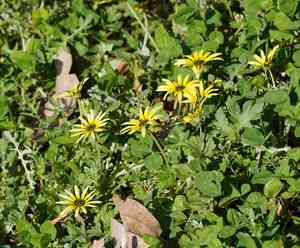
Cape dandelion(Arctotheca calendula)

Cape dandelion (Arctotheca calendula)

Also known as: Plain Treasure Flower, Fertile Capeweed, Cape daisy, Plain treasureflower, Silverspreader

Cape dandelion (Arctotheca calendula) is a hardy perennial ideal for ground cover, flourishing best in sunny locations. Here are the key care instructions and conditions for growing it successfully:

1. **Sunlight:** Requires full sun to thrive, but can tolerate some partial shade.
2. **Soil:** Prefers well-drained soil, adaptable to various soil types, including sandy and loamy soils.
3. **Watering:** Water moderately; drought-tolerant once established.
4. **Temperature:** Best suited for warm climates; protect from frost.
5. **Propagation:** Easily propagated by dividing rhizomes or sowing seeds after the last frost.
6. **Bloom Time:** Produces bright yellow, daisy-like flowers from spring to summer, attracting pollinators such as bees and butterflies.
7. **Maintenance:** Minimal upkeep; deadhead spent flowers to control self-seeding and maintain tidy growth.

Regular monitoring and adherence to these guidelines will help ensure Cape dandelion thrives as an effective and attractive ground cover.

Attributes of Cape dandelion

Lifespan
Annual, Perennial, Biennial
Plant Type
Herb
Plant Height
30 cm to 60 cm
Spread
25 cm
Leaf Color
Green Gray
Flower Size
2.5 cm to 4 cm
Flower Color
Yellow

ForwardPlant - Identify plants with a snap

Identify and diagnose plants, get toxicity alerts, and explore safety guides for all types of fungi.

Try for Free

Images of Cape dandelion

Cape dandelion(Arctotheca calendula)

Quickly Identify Cape dandelion

1
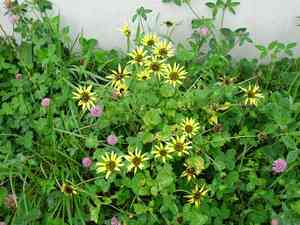
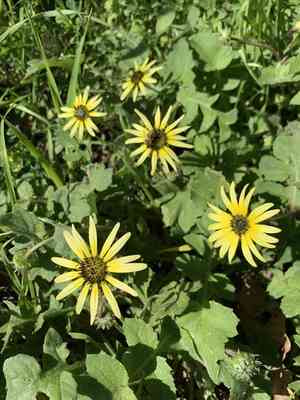
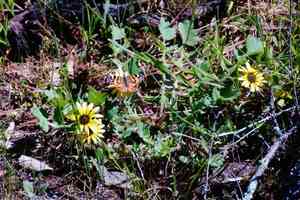
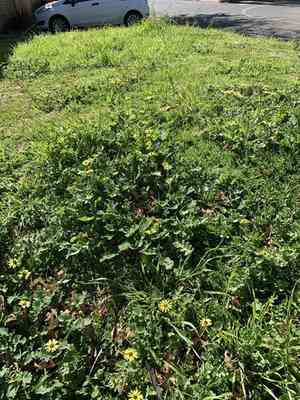
Capeweed can be identified by its low-growing habit, rosette formation, and distinctive yellow flowers. The leaves are deeply lobed and covered with soft white hairs. Its flowers have a central dark disc surrounded by bright yellow ray florets.

Scientific Classification of Cape dandelion

Phylum
Vascular plants
Class
Dicotyledons
Order
Asterales
Family
Daisy
Genus
Capeweeds
Species
Cape dandelion

Planting and Growing of Cape dandelion

Care Difficulty
Easy
Watering Schedule
Every 2 days
Sunlight Requirements
Full sun
Sunshine Duration
4-8 hours
Ideal Temperature
65-75℉
Soil Type
Potting Mix, Peat Mix
Soil pH
6.5-7.5
Fertilizer Type
Balanced
Pruning Season
Spring, Summer
Pruning Area
Branches, Leaves
Pruning Frequency
Once a year
Repotting Season
Spring
Pot Type
Plastic, Ceramic

water icon How to Water Cape dandelion?

Arctotheca calendula, commonly known as capeweed, requires a watering amount that suffices to moisten the soil without turning it waterlogged. Approximately 250 ml should be adequate, ensuring the top inch of soil is moist, yet not oversaturated, emulating a mild rainfall to prevent root rot.
What are the symptoms of an underwatered Cape dandelion?
What should I do if my Cape dandelion is not getting enough water?
What are the symptoms of an overwatered Cape dandelion?
How to save an overwatered Cape dandelion?

sunlight icon What Are the Sunlight Requirements for Cape dandelion?

Sunlight Requirements: Full sun, Partial sun
Duration of light: 6 to 8 hours
Arctotheca calendula thrives when placed in environments providing full to partial sunlight. Proper light enables the plant to perform photosynthesis efficiently, resulting in lush foliage and prolific blooming cycles.
What type of sunlight does Arctotheca calendula need?
How to ensure Arctotheca calendula gets enough sunlight?
Benefits of ideal lighting for Arctotheca calendula?
More About Sunlight Requirements Techniques

temperature icon What Is the Ideal Temperature Range for Cape dandelion?

Ideal Temperature: 65 ~ 75℉
What is the ideal temperature range for the growth of Arctotheca calendula? Arctotheca calendula, commonly known as capeweed, thrives best in temperatures ranging from 65 to 75 degrees Fahrenheit. This temperature range provides the optimal conditions for its photosynthetic activities and cellular processes, promoting healthy growth and flower production.

soil icon What Soil is Best for Cape dandelion?

Soil type: Sandy loam, Loam
Soil PH: 6.5 ~ 7.5
Arctotheca calendula thrives in well-drained soil as it prevents waterlogging, allowing roots to breathe and grow effectively. This promotes healthy plant growth and reduces the risk of root diseases. A moderately fertile soil provides essential nutrients without over-fertilizing, which could lead to lush foliage but poor flowering. Balanced nutrition is key for vibrant blooms and robust foliage. A soil pH between 6.5 and 7.5 is ideal for Arctotheca calendula, allowing for optimal nutrient absorption. This pH range ensures the plant can effectively take in iron and other nutrients.

fertilize icon How to Fertilize Cape dandelion?

Fertilizer type: Balanced
Arctotheca calendula, commonly known as capeweed, benefits from moderate amounts of fertilizer. Use half the recommended strength when applying liquid fertilizers to ensure the plant receives nutrients without being overwhelmed. For slow-release fertilizers, follow the package instructions for medium-sized plants.

prune icon How to Prune Cape dandelion?

Pruning Time: Spring, Summer, Autumn
For effective pruning of Arctotheca calendula, you will need a pair of sharp pruning shears or scissors. Ensure your tools are clean and sterilized to prevent the spread of disease. Begin by removing any dead or damaged leaves and stems to facilitate aeration and sunlight penetration. Trim back any overly long runners to keep the plant compact and tidy. Look for any areas that appear overcrowded and thin them out to encourage new growth. More About Pruning Techniques

propagate icon How to Propagate Cape dandelion plant?

Propagate Time: Spring,Early spring
1
Begin by filling propagation trays with a well-draining potting mix. Scatter seeds evenly and cover lightly with soil. Keep the soil consistently moist until germination.
2
Select healthy stems and use pruning shears to cut sections about 4-6 inches long. Remove leaves from the lower half, and dip the cut end in rooting hormone to encourage growth.
3
Carefully dig up the mother plant and gently separate the root ball. Ensure each division has ample roots and then replant in prepared soil, watering well after planting.
More About Propagating Techniques

repot icon How to Repot Cape dandelion plant?

Repotting frequency: Once a year
1
Ensure you repot Arctotheca calendula when the roots start to outgrow the pot or the plant's growth seems stunted. This usually happens when you notice roots protruding from the drainage holes or when the soil seems compacted. Ideal repotting can take place during spring or summer when the plant is in its active growth phase, allowing it to quickly recover from the stress of repotting.
2
Select a pot that is just one size larger than the current one. This provides ample space for root developmentwithout overwhelming them with too much soil, which can lead to waterlogging. Opt for a pot with adequate drainage holes; this prevents water from accumulating at the bottom, which can be detrimental to the plant's health.
3
Choose a well-draining potting mix rich in organic matter for Arctotheca calendula. This ensures that excess water drains away quickly, preventing root rot while still retaining enough moisture for the roots to absorb. The ideal soil mix will also provide essential nutrients needed for vibrant foliage and blooms.

ForwardPlant - Identify plants with a snap

Find the best spots for them to optimize their health, simply using your phone.

Try for Free

Toxicity of Cape dandelion

Is Cape dandelion toxic to humans?

The Cape dandelion is known to have a mild level of toxicity in humans, which can result in poisoning if ingested. Every part of the plant is regarded as toxic, and consumption can trigger various symptoms. Those who inadvertently consume any portion of the Cape dandelion might face gastrointestinal issues, including nausea, vomiting, and diarrhea. Furthermore, they may exhibit symptoms of oral irritation, such as a burning feeling in the mouth, excessive salivation, and difficulty swallowing. It is crucial for individuals, particularly those with children or pets, to recognize the toxic characteristics of this plant and to take measures to avoid any accidental ingestion of its parts.

Is Cape dandelion toxic to cat?

The cape dandelion exhibits a mild level of toxicity in felines. Should a cat ingest any part of the cape dandelion, it could lead to unintentional poisoning. The entire plant is toxic, meaning that any exposure to its parts might result in health issues. Cats that have ingested cape dandelion may display symptoms of physical discomfort. It is vital to keep a close watch on the cat for any signs of distress and to promptly obtain veterinary assistance to ensure proper care. Quick action is essential for the health and welfare of the affected feline.

Is Cape dandelion toxic to dog?

The cape dandelion is recognized for its mild toxicity in dogs. Canines may unintentionally ingest various parts of the cape dandelion, resulting in a risk of poisoning. The entire plant is deemed toxic, and should a dog eat any portion of it, they could show signs of poisoning. These signs may differ but frequently include gastrointestinal disturbances like vomiting or diarrhea, and in certain instances, may lead to more severe reactions based on the quantity consumed and the dog's individual sensitivity. It is essential for dog owners to keep a vigilant eye on their pets and restrict their access to cape dandelion to prevent unintentional ingestion. Should a dog ingest cape dandelion, seeking prompt veterinary attention is crucial to ensure adequate treatment and management of any arising symptoms.

Identify toxic plants for your safety

Learn which plants are harmful to you and your pets, and make informed choices for a safer home!

Try for Free
WARNING
The judgment on toxicity and danger is for reference only. We DO NOT GUARANTEE any accuracy of such judgment. Therefore, you SHALL NOT rely on such judgment. It is IMPORTANT TO SEEK PROFESSIONAL ADVICE in advance when necessary.
More About Toxic Techniques