The Hidden Danger in Your Home? Unmasking the Toxicity of the Cape dandelion Plant.
1
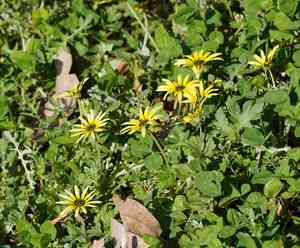
Every part of cape dandelion is poisonous and can lead to digestive upset if consumed.
2
Felines that eat cape dandelion may exhibit signs of discomfort and need prompt veterinary assistance.
3
Canines that ingest cape dandelion could suffer from throwing up and loose stools; urgent vet care is essential.
Is Cape dandelion toxic to humans?
Cape dandelion has a low level of toxicity for humans, potentially causing harm if consumed. Every part of the cape dandelion is considered poisonous, and if eaten, can result in various symptoms. People who accidentally consume any part of cape dandelion might experience digestive issues, including sickness, throwing up, and loose stools. Furthermore, there could be signs of mouth irritation, such as a burning feeling in the mouth, excessive salivation, and trouble swallowing. It's vital for individuals, particularly those with kids or animals, to be aware of the plant's harmful properties and to prevent accidental consumption of any part of cape dandelion.
Is Cape dandelion toxic to cat?
Cape dandelion has a slight toxicity for felines. If a cat consumes a piece of cape dandelion, they could inadvertently be poisoned. The whole plant is poisonous, so contact with any part could lead to sickness. Cats that have eaten cape dandelion might show signs of physical discomfort. It's important to observe the cat for any indication of distress and to get immediate veterinary help to ensure proper care. Prompt action is vital for the health and welfare of the affected cat.
Is Cape dandelion toxic to dog?
Cape dandelion is categorized as mildly toxic to canines. Dogs might accidentally consume parts of cape dandelion, leading to possible poisoning. The entire plant is deemed poisonous, and if a dog ingests any portion of it, they could display symptoms indicating poisoning. These symptoms can differ but often involve digestive upset, such as vomiting or diarrhea, and in some instances may result in more serious reactions depending on the quantity consumed and the individual dog's sensitivity. It's essential for dog owners to closely supervise their pets and restrict access to cape dandelion to prevent accidental ingestion. If a dog does consume cape dandelion, it is crucial to seek immediate veterinary attention to ensure appropriate treatment and management of any symptoms.



