How to Propagate Cape dandelion?
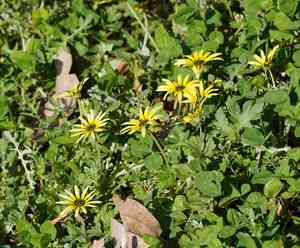
Arctotheca calendula is a very versatile ground cover that thrives in diverse settings. To multiply Arctotheca calendula, plant seeds directly into adequately drained earth in a bright spot. Gently layer soil over the seeds to facilitate prime sprouting. Consistent irrigation will aid their development, but avoid excessive watering to avert root decay. Arctotheca calendula is resilient and generally takes root without difficulty, rendering it a preferred option for novice gardeners.
Optimal Time for Cape Dandelion Propagation
Propagation Method
Seeding
Propagation Period
Spring
Essential Tools for Cape Dandelion Propagation
Seed trays
Seed trays are perfect for cape dandelion's propagation via sowing. These containers enable efficient planting of small seeds in a regulated setting, ensuring each seed has ample room to sprout without competition. Their shallow depth and consistent spacing help maintain proper moisture levels without waterlogging, vital for cape dandelion's germination.
Fine-grained seed starting mix
A fine-textured seed starting mix offers the necessary light and airy environment ideal for cape dandelion's seed germination. This soil type prevents delicate roots from stress or damage during early growth, fostering healthier root development. It also sustains adequate moisture, crucial for cape dandelion's germination phase.
Watering can with a fine rose
For cape dandelion, gentle watering is key to prevent seed displacement, which can disrupt germination. A watering can with a fine rose attachment distributes water evenly and softly, mimicking light rain, perfect for keeping the seed starting mix moist without causing erosion or seed clumping.
Clear plastic dome or cover
A clear plastic dome or cover aids in maintaining consistent moisture and temperature for cape dandelion, critical during germination. This tool ensures the air around seeds stays humid and warm, boosting germination rates and providing a microclimate that supports early growth stability.
Labels and markers
Using labels and markers is crucial for tracking sowing dates and identifying different species if propagating multiple plants alongside cape dandelion. This organizational aid helps monitor seed progress and growth stages, ensuring timely care and maintenance.
How to Propagate Cape Dandelion
Propagation Type
Simple
Caring for Your Newly Propagated Cape Dandelion
Caring for Your Newly Propagated Cape Dandelion
Once cape dandelion seedlings are established, thin them to prevent overcrowding, allowing the strongest to flourish. Continue providing bright, indirect light and water when the top inch of soil feels dry. As cape dandelion is drought-tolerant, reduce watering frequency as the plant matures. This species benefits from occasional feeding with a balanced, all-purpose liquid fertilizer during the growing season. Monitor for pests and diseases, though cape dandelion is generally robust and resistant to major issues.
Common Propagation Errors to Avoid with Cape Dandelion
Overwatering
Excessive watering of cape dandelion can lead to waterlogged soil, reducing oxygen availability and increasing the risk of root rot, both detrimental to cape dandelion's health and root development.
Deep planting of seeds
Sowing cape dandelion's seeds too deeply can impede germination, as they require sufficient light exposure to sprout effectively.
Neglecting weed control
Allowing weeds to grow near cape dandelion can lead to competition for nutrients, light, and space, significantly impacting the growth and establishment of new plants.
Tips For Propagating Cape Dandelion
Light seed covering
Covering cape dandelion's seeds with a thin layer of soil or vermiculite helps maintain necessary moisture and light exposure for optimal germination without the risk of the seeds being too deep.
Regular watering schedule
Maintaining a controlled watering schedule ensures that cape dandelion's soil remains moist but not waterlogged, promoting healthy root growth without the risk of rot.
Weed management
Regularly removing weeds around cape dandelion ensures that the young plants have less competition for resources, which facilitates better establishment and growth.



