How to Transplant Eastwood's manzanita?
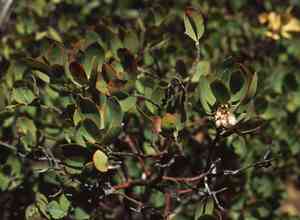
The ideal period for relocating eastwood's manzanita spans from the onset of early spring to the mild temperatures of late spring, facilitating root establishment. Select a bright spot featuring soil that drains effectively. Careful manipulation of the root system during transplantation will enhance the outcome.
What Preparations are Needed Before Transplanting Eastwood's Manzanita?
What is the Ideal Time for Transplanting Eastwood's Manzanita?
The best time to move eastwood's manzanita is from the start of spring's thaw until late spring's full bloom. During this period, mild temperatures and longer days encourage root development, while cooler nights lessen stress on eastwood's manzanita. Transplanting in this season helps roots settle into the still-damp soil, preparing it for a flourishing summer. A helpful hint: have all your tools ready and the new spot prepared beforehand for a smooth transition!
How Much Space Should You Leave Between Eastwood's Manzanita Plants?
When planting eastwood's manzanita, ensure each beautiful plant has ample room to flourish by spacing them 4-6 feet apart (1.2-1.8 meters). This provides your plants with plenty of area to expand and grow robustly!
What is the Best Soil Mix for Eastwood's Manzanita Transplanting?
For eastwood's manzanita, prepare a perfect growing medium for your plants! Aim for soil that drains well, and add some slow-release fertilizer to give them a great start. A small boost for your green companions makes a big difference!
Where Should You Relocate Your Eastwood's Manzanita?
Locate a sunny spot where eastwood's manzanita can receive at least six hours of sunlight daily. They adore bright conditions, and finding the right sunny location helps them mature healthily and happily!
What Equipments Should You Prepare Before Transplantation Eastwood's Manzanita?
Gardening Gloves
To safeguard your hands while handling soil and plants.
Shovel or Spade
For excavating the plant and preparing the new planting site.
Watering Can or Hose
To hydrate the plant prior to and following its relocation.
Wheelbarrow or Garden Cart
To move the eastwood's manzanita between locations if needed.
Pruning Shears
To trim any damaged roots or branches before the transplant.
Root Pruning Saw or Knife
To cut through thicker roots if the plant is being removed from the ground.
How Do You Remove Eastwood's Manzanita from the Soil?
How Do You Remove Eastwood's Manzanita from the Soil?
From Ground: Hydrate the eastwood's manzanita to moisten the soil. Dig a wide trench around it with a shovel, keeping the root ball intact. Using the spade, carefully lift the plant from its spot.From Pot: Water the eastwood's manzanita to loosen its roots. Tilt the pot sideways and gently tap it to help the plant slide out. Support the plant by its base and carefully extract it from the pot.From Seedling Tray: Water the tray to dampen the soil and roots. Gently push the eastwood's manzanita seedling up from the bottom or use a tool to lift it without harming the roots.
Step-by-Step Guide for Transplanting Eastwood's Manzanita
Prepare New Hole
Excavate a hole twice the width of the eastwood's manzanita's existing root ball, with a depth equivalent to the root ball's height.
Check Root Ball
Examine the root ball for circling roots and gently untangle them. Use pruning shears for overly dense roots or a saw for thicker, established ones.
Position eastwood's manzanita
Place the eastwood's manzanita in the center of the newly dug hole. Ensure the top of the root ball is level with the surrounding ground surface.
Backfill Hole
Carefully refill the hole with soil around the eastwood's manzanita's roots. Gently compact the soil to eliminate air pockets.
Water Thoroughly
Water the eastwood's manzanita deeply immediately after transplanting to settle the soil and hydrate the roots.
Mulch
Apply a layer of mulch around the eastwood's manzanita, avoiding direct contact with its stem, to help retain soil moisture and regulate soil temperature.
How Do You Care For Eastwood's Manzanita After Transplanting?
Watering
Ensure the eastwood's manzanita receives adequate water to promote root growth, but avoid excessive watering.
Pruning
Trim any damaged or dead branches to direct the eastwood's manzanita's energy towards root establishment.
Mulching
Maintain an appropriate layer of mulch to suppress weed growth.
Observation
Regularly inspect the eastwood's manzanita for signs of stress like wilting or discolored leaves and address them promptly.
Troubleshooting Common Issues with Eastwood's Manzanita Transplantation.
What's the best time to transplant eastwood's manzanita?
The ideal transplanting period is from early to late spring when temperatures are moderate.
How far apart should I space eastwood's manzanita when transplanting?
Allow each eastwood's manzanita ample room to develop by spacing them 4-6 feet (1.2-1.8 meters) apart.
Why are my eastwood's manzanita leaves turning yellow after transplanting?
Yellowing may indicate over-watering or insufficient drainage; ensure the soil drains well and adjust irrigation.
How deep should the hole be when transplanting eastwood's manzanita?
Dig a hole twice as wide and the same depth as the root ball for optimal establishment.
What type of soil is best for transplanting eastwood's manzanita?
They thrive in well-draining soil; consider improving heavy clay soils with sand or organic matter.
How much water does eastwood's manzanita need after transplanting?
Initially, water deeply to settle the soil, then follow with moderate, less frequent watering.
What signs indicate transplant shock in eastwood's manzanita?
Drooping leaves or a lack of new growth can signal shock; provide consistent care as it adapts.
Can I transplant eastwood's manzanita during the summer?
It's risky; transplanting during cooler seasons reduces stress and increases the likelihood of successful establishment.
Should I fertilize eastwood's manzanita after transplanting?
Hold off on fertilizing until eastwood's manzanita displays new growth, indicating successful root establishment.
How can I protect the roots of eastwood's manzanita during transplanting?
Avoid disturbing the root ball and keep the roots moist and shaded until they are planted.



