The Eastwood's manzanita Plant Advantage: Maximizing Home and Office Appeal and Wellness
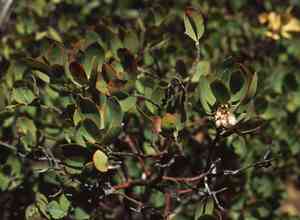
1
Eastwood's manzanita tolerates dry conditions well, making it ideal for low-water landscapes.
2
It offers superb erosion prevention due to its thick, spreading growth pattern.
3
This plant offers crucial shelter for native animals, fostering ecological variety.
What Makes Eastwood's manzanita a Drought-Tolerant Superstar?
Adaptations to Survive Harsh Conditions
A key characteristic of Eastwood's manzanita is its remarkable ability to withstand drought. This plant has developed several features enabling it to flourish in dry environments. Its deep root system efficiently accesses subterranean water, while its leaves possess a tough, leathery texture that minimizes water loss through transpiration. These traits make Eastwood's manzanita an excellent option for xeriscaping and water-efficient landscaping.
Minimal Water Requirements
Unlike many plants that quickly wilt during dry spells, Eastwood's manzanita remains strong and healthy with very little water. This not only lowers your water expenses but also makes it an eco-friendly selection. In areas prone to drought, incorporating Eastwood's manzanita into your landscape can significantly reduce your garden's water usage, making it a sustainable choice.
How Does Eastwood's manzanita Enhance Erosion Control?
Dense Growth for Stabilizing Soil
Erosion can be a significant issue in garden settings, especially on sloped terrain. Eastwood's manzanita provides a natural remedy for this problem. Its thick, spreading growth habit helps to stabilize the ground, preventing it from being washed away during heavy rainfall. The plant's extensive root system also binds the soil together, offering additional erosion resistance.
Ideal for Sloped Landscapes
Due to its capacity for erosion prevention, Eastwood's manzanita is the perfect plant for inclined gardens and embankments. It forms an attractive ground cover that not only holds soil but also adds visual appeal to uneven land. By selecting Eastwood's manzanita, you can safeguard your landscape from the damaging effects of erosion while improving its aesthetic quality.
Why Is Eastwood's manzanita Important for Biodiversity?
A Habitat for Local Wildlife
Eastwood's manzanita is more than just an attractive plant; it plays a vital role in supporting local fauna. Its blossoms produce nectar that attracts pollinators like bees and butterflies, while its dense foliage offers refuge for small creatures. In doing so, Eastwood's manzanita helps maintain a balanced ecosystem, contributing to the biodiversity in your garden.
Supporting Native Species
In an era where natural habitats are frequently endangered, planting Eastwood's manzanita can be an excellent way to support indigenous species. By providing sustenance and shelter to local wildlife, you help create a miniature ecosystem in your yard. This not only enriches your outdoor area but also offers a haven for the creatures that share our environment.
What Are the Landscape Aesthetic Benefits of Eastwood's manzanita?
Year-Round Visual Appeal
One of the undeniable advantages of Eastwood's manzanita is its continuous beauty throughout the year. The plant features appealing foliage and vibrant blooms that add color and texture to your garden across various seasons. This consistent visual charm makes Eastwood's manzanita a popular option for ornamental gardening.
Versatility in Garden Design
Whether you aim to create a ground cover, an understory plant, or a focal point in your garden, Eastwood's manzanita offers adaptable design possibilities. Its flexibility to suit diverse landscape styles, from formal to wild gardens, ensures it can fit almost any aesthetic. Furthermore, its low-maintenance nature makes it an ideal choice for both novice and experienced gardeners.
How to Grow and Care for Eastwood's manzanita?
Planting Tips
To ensure your Eastwood's manzanita flourishes, it's crucial to plant it in well-draining soil, ideally in a location with full sun to partial shade. When planting, dig a hole that is twice the width of the root ball and slightly less deep. Gently spread out the roots before placing the plant in the hole and backfill with soil. Water thoroughly after planting to aid in root establishment.
Ongoing Care
Although Eastwood's manzanita requires relatively little upkeep, a bit of consistent care will be very beneficial. Watering should be done sparingly once the plant is established. Occasional pruning can help encourage new growth and maintain its shape. It's also advantageous to mulch around the base to conserve moisture and prevent weed growth. By following these care guidelines, you can enjoy the many benefits Eastwood's manzanita provides for years to come.



