How to Prune Eastwood's manzanita?
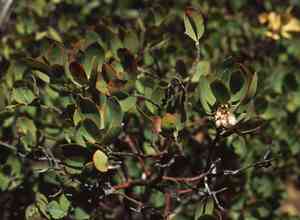
This perennial woody plant, distinguished by its gnarled limbs and pitcher-shaped blossoms, flourishes with infrequent trimming. Eastwood's manzanita ought to be trimmed in the colder months, while inactive, to preserve its form and encourage robust development. Eliminating lifeless or ailing wood, coupled with periodic reduction of mature stalks, boosts air circulation and light exposure. Trimming ought to be restrained, as overzealous cutting can be detrimental to eastwood's manzanita. Advantages encompass prolonged vitality and enhanced plant architecture.
What Are the Benefits of Pruning Eastwood's Manzanita?
What Are the Benefits of Pruning Eastwood's Manzanita?
Trimming eastwood's manzanita promotes more robust growth by eliminating dead or diseased wood, thereby stimulating new development. Additionally, precise cuts help maintain its desired shape and size, fostering a more attractive appearance.
What Is the Best Time for Pruning Eastwood's Manzanita?
What Is the Best Time for Pruning Eastwood's Manzanita?
Pruning eastwood's manzanita in late winter, prior to the start of spring growth, is considered ideal as the plant is typically dormant then. This timing reduces stress on eastwood's manzanita by avoiding cuts during active growth periods, and it minimizes exposure to pests and diseases that are more common in warmer weather. Furthermore, as eastwood's manzanita begins to grow in spring, pruning wounds heal faster, leading to less risk of infection. Late winter pruning also allows gardeners to better shape the plant since its structure is more visible without leaves, guiding new growth to desired areas.
What Tools Do I Need to Prune Eastwood's Manzanita?
Bypass pruners
For accurate cuts and minimal harm to the stems of eastwood's manzanita, bypass pruners are perfect. They deliver clean cuts that aid the plant in healing faster, which is vital for eastwood's manzanita's smaller branches and woody stems.
Lopping shears
When addressing thicker branches of eastwood's manzanita that bypass pruners cannot manage, lopping shears are recommended. They feature long handles that provide extra leverage, simplifying the task of cutting through dense growth.
Pruning saw
For the thickest branches, a pruning saw is indispensable. It can handle branches that lopping shears cannot, making it a necessity for managing the more mature woody growth of eastwood's manzanita.
Hand gloves
To safeguard your hands from the rough bark and potential sharp edges while trimming eastwood's manzanita, wearing durable hand gloves is advisable. This ensures a safe and comfortable pruning session.
Pruning sealant
A pruning sealant can be applied after cutting to seal the wounds on eastwood's manzanita and prevent disease or pests from entering the cuts. However, use it sparingly and only on larger cuts, as eastwood's manzanita can typically heal on its own.
How to Prune Eastwood's Manzanita
Identification
Examine eastwood's manzanita to pinpoint and mark any withered leaves, dead, or diseased branches for removal, being careful not to disturb healthy growth.
Clean cut
Using sanitized pruning shears, make a clean cut to remove withered leaves and dead branches. Cut at the base of the leaf or branch, without leaving a stub to prevent disease pathogens and pests.
Disease management
When removing diseased branches from eastwood's manzanita, cut at least several inches below the infected area to ensure the elimination of all diseased tissue. Disinfect shears after each cut to avoid spreading disease.
Shaping
Thin out dense areas of eastwood's manzanita's growth for improved air circulation and light penetration, while preserving its natural shape. Avoid heavy pruning as this can stress the plant.
Cleanup
Collect and properly dispose of all pruned material away from eastwood's manzanita to prevent potential re-infection or pest issues. Clean all tools utilized in the pruning process.
Common Pruning Mistakes with Eastwood's Manzanita
Overpruning
Removing too much foliage or too many branches at once can stress eastwood's manzanita, hindering its growth or even leading to its demise.
Improper cut location
Cutting too far from a bud or node can result in dead stubs, while cutting too close can harm the bud, leading to undesirable growth or infection.
Torn bark
Making incorrect cuts that cause bark tearing can create entry points for pests and diseases.
Pruning during active growth
While not specific to the best season, trimming eastwood's manzanita during its active growth phase can negatively impact the plant's development.
Neglecting tool hygiene
Using dirty, unsterilized tools can introduce diseases to eastwood's manzanita, especially if the tools were previously used on infected plants.
Pruning without plan
Random or excessive cuts without understanding the growth habit of eastwood's manzanita can result in an unattractive and unhealthy plant.
Common Pruning Tips for Eastwood's Manzanita
Selective pruning
Focus on removing only dead, diseased, or crowded branches, and gradually shape eastwood's manzanita to maintain its natural form.
Sharp tools
Use sharp, clean pruning shears to make precise cuts that will heal quickly and minimize the risk of disease.
Angled cuts
Make cuts at a 45-degree angle just above a bud or branch to promote water runoff and prevent disease.
Moderate pruning
Limit pruning to no more than about one-third of eastwood's manzanita's foliage in a single season to avoid stressing the plant.
Observe branch structure
Before cutting, study eastwood's manzanita's branch structure to understand its natural shape and growth pattern, ensuring the final form is both aesthetically pleasing and beneficial for the plant's health.
Disinfect tools
Sterilize pruning tools before and after use on eastwood's manzanita to prevent the spread of pathogens.



