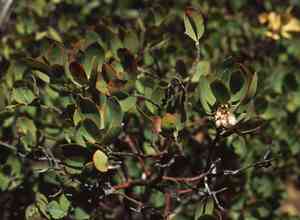
Eastwood's manzanita (Arctostaphylos glandulosa)
Also known as: Del Mar Manzanita, Zaca Manzanita
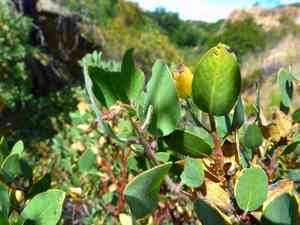
Eastwood's manzanita is a lesser-known evergreen shrub characterized by its spread-out, compact form. It features gray-green foliage, striking red bark, and clusters of white flowers. This shrub is resilient to drought and deer, and it also attracts birds and pollinators.
In This Article
Attributes of Eastwood's manzanita
Lifespan
Perennial
Plant Type
Shrub
Plant Height
61 cm
Spread
1.8 m
Leaf Color
Green to gray-green
Flower Size
5 to 10 millimeters
Flower Color
White Pink
Images of Eastwood's manzanita
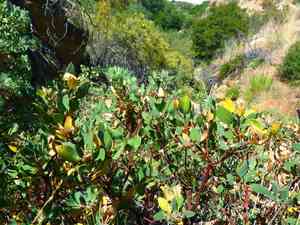
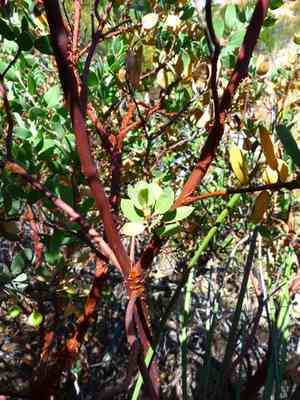
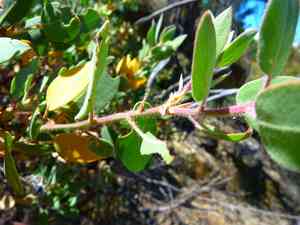
Quickly Identify Eastwood's manzanita
1
Arctostaphylos glandulosa can be identified by its reddish-brown bark, evergreen leaves, and urn-shaped white or pink flowers that form in dense clusters. The plant also features round, smooth berries that turn reddish-brown when mature.
Scientific Classification of Eastwood's manzanita
Phylum
Vascular plants
Class
Dicotyledons
Order
Ericales
Family
Heath
Genus
Arctostaphylos
Species
Eastwood's manzanita
Planting and Growing of Eastwood's manzanita
Care Difficulty
Easy
Watering Schedule
Every 2 days
Sunlight Requirements
Full sun
Sunshine Duration
4-8 hours
Ideal Temperature
60-75℉
Soil Type
Potting Mix, Peat Mix
Soil pH
6.5-7.5
Fertilizer Type
Balanced
Pruning Season
Spring, Summer
Pruning Area
Branches, Leaves
Pruning Frequency
2 times a year
Repotting Season
Spring
Pot Type
Plastic, Ceramic
 How to Water Eastwood's manzanita?
For Arctostaphylos glandulosa, water until the soil is moist but not saturated. Use about 300 ml per watering session. The aim is to maintain slightly dry soil, as this plant does not thrive in overly wet conditions.
What are the symptoms of an underwatered Eastwood's manzanita?
›
What should I do if my Eastwood's manzanita is not getting enough water?
›
What are the symptoms of an overwatered Eastwood's manzanita?
›
How to save an overwatered Eastwood's manzanita?
›
 What Are the Sunlight Requirements for Eastwood's manzanita?
The ideal light range for Arctostaphylos glandulosa is full to partial sun. Receiving sufficient sunlight yields better growth rates, stronger stems, and increased flowering potential, enhancing the plant's overall health and visual appeal.
More About Sunlight Requirements Techniques→
What is the ideal lighting for Arctostaphylos glandulosa?
›
How does Arctostaphylos glandulosa benefit from ideal lighting?
›
What are practical steps to ensure ideal lighting?
›
 What Is the Ideal Temperature Range for Eastwood's manzanita?
The ideal temperature range for Arctostaphylos glandulosa is between 60°F and 75°F. Within this range, the plant thrives and exhibits optimal growth characteristics. Growth slows down outside of this range, leading to reduced vigor and health. Maintaining these temperatures helps ensure that the plant's metabolic processes can function at their best.
 What Soil is Best for Eastwood's manzanita?
Arctostaphylos glandulosa thrives in well-draining soil, as it prevents water logging that can lead to root rot. This preference helps the plant remain healthy, especially in areas with infrequent rainfall. This plant is adapted to nutrient-poor substrates, meaning it doesn’t require rich, fertile soil. This trait allows it to excel in challenging environments where other plants might struggle. Arctostaphylos glandulosa prefers slightly acidic to neutral pH levels, which supports nutrient availability and healthy root growth, ensuring the plant maintains its vibrant appearance.
 How to Fertilize Eastwood's manzanita?
For Arctostaphylos glandulosa, you want to be cautious and conservative with fertilization. Generally, use a dilute solution of liquid fertilizer at half the strength recommended on the label. When using slow-release fertilizers, apply only a thin layer around the base of the plant to prevent overwhelming the roots. Approximately 1 tablespoon per plant every six months is ideal for mature specimens.
 How to Prune Eastwood's manzanita?
Use sharp, clean pruning shears for small branches and loppers or a pruning saw for larger limbs. Clean tools help prevent the spread of plant diseases. Begin by removing dead, damaged, or diseased branches. Then, thin out any particularly dense areas, focusing on improving the plant's shape and structure. Make cuts at a 45-degree angle above a bud that faces outward. This encourages outward growth and helps the plant maintain a natural shape.
More About Pruning Techniques→
 How to Propagate Eastwood's manzanita plant?
1
Gather mature seeds from an existing Arctostaphylos glandulosa plant. If seeds have a tough seed coat, consider scarification or stratification to aid germination.
2
Select healthy branches and cut them into sections about 4-6 inches long. Remove any flowers or buds to focus energy on root development.
3
Plant seeds or cuttings in a well-draining medium. For cuttings, dip the cut end in rooting hormone to promote root growth, then plant them in moist soil.
 How to Repot Eastwood's manzanita plant?
1
Look for signs like roots emerging from the drainage holes, soil drying out too quickly, or the plant appearing too large for the pot. Spring or autumn are ideal seasons when the plant is naturally more resilient to the disturbance of repotting.
2
Select a pot that is just one size larger than the current one to prevent waterlogging. Ensure it has sufficient drainage holes, which is crucial for avoiding water accumulation that can lead to root rot, helping your plant maintain optimal health and growth.
3
Opt for a well-draining sandy mix with ingredients such as perlite or pumice. This type of soil mimics the plant's natural environment and retains just the right amount of moisture while allowing excess water to escape, preventing root rot and other water-related issues.



