How Much Sunlight Do Eastwood's manzanita Need?
1
Eastwood's manzanita flourishes in abundant sunlight, needing more than 6 hours of direct sun daily.
2
It can endure some shade, though this might affect its bloom and development.
3
Accurately evaluating your garden's sun exposure greatly improves the well-being and vigor of your Eastwood's manzanita.
Ideal Light Conditions for Eastwood's manzanita
Full Sun Requirements
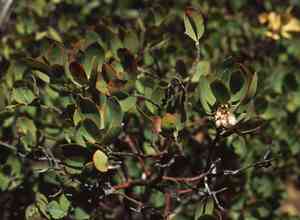
For Eastwood's manzanita to flourish, it requires ample direct sunlight. This means the plant should receive at least six hours of direct sun daily. Full sun is vital for robust development and abundant blooms. Positioning your Eastwood's manzanita where it gets plenty of sunlight will help it develop its distinctive red bark and shiny green leaves.
Partial Shade Tolerance
While Eastwood's manzanita thrives in full sun, it can endure some partial shade. If your garden lacks a spot with continuous sunlight, this plant can still survive and grow, though flowering may be less prolific. Partial shade can also hinder overall growth and reduce foliage density. Monitoring the plant's health and adjusting its location if needed is important.
Selecting the Best Location for Eastwood's manzanita in Your Garden
Assessing Sunlight Availability
To ensure your Eastwood's manzanita receives adequate sunlight, begin by evaluating the light conditions in various garden areas. Observe the garden throughout the day, noting which spots get the most direct sun and for how long. A notebook or garden journal can help you effectively track and compare sunlight patterns.
Utilizing Sunlight Mapping Tools
Sunlight mapping tools can be extremely helpful in finding the optimal spot for your Eastwood's manzanita. Applications and devices designed to measure and map sun exposure can provide precise data on the duration and intensity of sunlight in different garden locations. These tools aid in making informed decisions and optimizing the plant's placement for its sun needs.
Microclimate Considerations
Microclimates are small zones within your garden that have slightly different conditions. These can be influenced by elements like structures, trees, and slopes. When choosing a site for your Eastwood's manzanita, consider these microclimates. Some areas might offer more protection from harsh weather while still providing sufficient sunlight, making them ideal for planting.
Sunlight's Impact on Eastwood's manzanita Health
Effects of Underexposure
Insufficient sunlight can cause several problems for Eastwood's manzanita. These include leggy growth, fewer blossoms, and paler-than-normal leaves. Too little sun can also make the plant more vulnerable to diseases and pests due to reduced vigor and slower development.
Signs of Overexposure
Conversely, excessive sunlight can also harm your Eastwood's manzanita. Overexposure often appears as scorched or burned leaves, commonly known as 'leaf scorch'. Additionally, if the plant is exposed to intense afternoon sun in very hot climates, it may show signs of stress like wilting and browning leaf edges.
Corrective Actions for Improper Sunlight
If your Eastwood's manzanita displays symptoms of incorrect sunlight exposure, remedial actions are necessary. For underexposed plants, consider moving them to a brighter location or pruning nearby branches that cast shadows. For overexposed plants, providing shade during peak sun hours with shade cloths or strategically planting taller companions can lessen damage.
Seasonal Sunlight Variations for Eastwood's manzanita
Winter Sunlight Needs
Eastwood's manzanita has varying sunlight requirements throughout the year. In winter, the sun is lower, and days are shorter. Ensuring your plant receives the maximum possible sunlight during these months is crucial for maintaining health and preparing it for spring growth. Placing your plant in a south-facing spot can help maximize winter sun exposure.
Summer Sunlight Adjustments
In summer, the intense and prolonged sunlight can stress Eastwood's manzanita. It's vital to closely observe the plant for any signs of overexposure. Providing temporary shade during the hottest part of the day can prevent leaf scorch and overheating. Additionally, mulching around the plant's base helps retain soil moisture, which is beneficial during warm periods.
Common Sunlight-Related Issues in Eastwood's manzanita
Leaf Burn
Leaf burn in Eastwood's manzanita often indicates excessive sunlight exposure. Symptoms include brown, crispy leaf edges and a generally scorched appearance. To prevent leaf burn, offer shade during peak sun hours and ensure the plant is well-hydrated, especially during dry spells.
Stunted Growth
Stunted growth can result from inadequate sunlight. If your Eastwood's manzanita isn't growing as vigorously as expected, assess its sunlight exposure. Addressing the issue by relocating the plant to a sunnier spot or trimming obstructing foliage can help restore its growth and vitality.



