How to Transplant California spikenard?
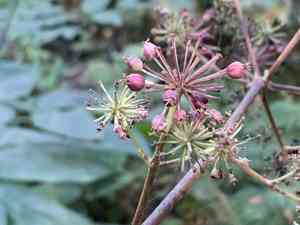
For california spikenard, the ideal period for relocation extends from the latter part of spring through the middle of summer, leveraging peak growth circumstances. Select a shaded spot featuring damp, adequately draining earth to foster successful rooting. Incorporating a generous amount of organic material into the substrate can offer a significant advantage.
Essential Preparations Before Relocating California Spikenard
Optimal Timing for Moving California Spikenard?
Choose the beginning of summer to move california spikenard â that perfect moment when late spring warmth transitions into early summer. This period guarantees california spikenard establishes well, supported by upcoming long, bright days. A friendly reminder: this timely relocation prepares california spikenard for vigorous development, leveraging the season's ideal blend of mild weather and warm soil. Precise timing means your california spikenard adapts easily, ready to flourish in its new spot under summer's gentle, nurturing influence.
Recommended Spacing Between California Spikenard Plants?
When moving california spikenard, it's vital to provide ample room for growth. Aim for a distance of approximately 5-6 feet (1.5-1.8 meters) between each plant. This allows roots to spread without competition and encourages healthier development.
Ideal Soil Mixture for California Spikenard Relocation?
As a resilient perennial, california spikenard thrives in robust soil! A well-structured, loamy mix with a balanced composition of sand, silt, and clay is an excellent choice. Before transplanting, be sure to enrich the soil with organic compost or a foundational fertilizer. This will give california spikenard a significant advantage!
Optimal Location for Your California Spikenard?
California spikenard enjoys some sun but dislikes intense heat. Find a garden spot that offers partial sunlight and protection from strong afternoon rays. A location with filtered light beneath taller trees or near structures would be absolutely perfect.
Tools Required Before Relocating California Spikenard?
Gardening Gloves
These help safeguard your hands while handling soil and plants.
Trowel
To dig around the plant and loosen the earth, simplifying its removal from the original spot.
Shovel or Spade
This will be used for excavating the new planting site.
Pruning Shears
To trim any damaged roots or stems on the plant.
Garden Hose or Watering Can
To hydrate the plant before and after its relocation.
Organic Compost or Mulch
For enhancing soil quality and retaining moisture.
Garden Wheelbarrow
To safely transport the california spikenard without harming its root ball.
How to Extract California Spikenard from the Soil?
How to Extract California Spikenard from the Soil?
From the Ground: First, ensure you water the california spikenard to moisten the soil, making extraction easier. Then, use a trowel to dig a wide trench around the plant, being careful not to harm the root system. Work the trowel beneath the root ball and lift the california spikenard from its current position.From a Pot: Begin by watering the plant and placing the pot on its side. Gently roll and tap the pot to loosen the soil. Then, slowly slide the california spikenard out of the pot without pulling the stem, to prevent root damage. If it's stuck, you might need to cut the pot.From a Seedling Tray: Carefully loosen the soil around each seedling with a spoon or small tool, then gently lift the seedling by its leaves, not the stem, ensuring the root ball remains intact.
Step-by-Step Guide for Relocating California Spikenard
Root Trimming
Use your pruning shears to remove any damaged roots. This encourages new, healthy root development.
Digging the Planting Hole
The hole should be twice as wide and as deep as the california spikenard's root ball. This allows roots to spread easily.
Positioning the Plant
Place the california spikenard in the hole, ensuring the top of the root ball is level with or slightly above the ground surface.
Backfilling the Hole
Fill the hole with a mixture of original soil and organic compost, gently firming the soil around the plant's base.
Watering
Thoroughly water the soil immediately after planting to settle it and remove any air pockets around the roots.
Post-Transplant Care for California Spikenard
Mulch Application
Apply a layer of organic mulch around the base of your california spikenard. This will help retain moisture and suppress weed growth. Remember to avoid piling mulch against the plant's stem.
Watering Schedule
Newly relocated california spikenard requires consistent watering. You can reduce frequency once the plant is established, typically within several weeks.
Pest and Disease Monitoring
Watch for pests or signs of disease. If california spikenard shows signs of stress like wilting or discoloration, consult a local nursery or extension service.
Pruning
Prune the california spikenard in early spring before new growth begins. This helps maintain its desired size and shape, and promotes more vigorous growth.
Resolving Common Issues with California Spikenard Relocation.
When is the best time to move my california spikenard?
You can relocate california spikenard between late summer and early winter, which corresponds to the S3-S5 season.
What is an ideal spacing for planting california spikenard?
Leave approximately 5-6 feet (1.5 - 1.8 meters) between each california spikenard to ensure they have sufficient room to grow.
How much sunlight does california spikenard need after relocation?
California spikenard is a woodland species, preferring dappled light over direct, intense sunlight. Try to select a gently shaded spot.
Does california spikenard tolerate relocation well?
Yes, california spikenard is somewhat tolerant of transplanting. However, care should be taken to minimize root disturbance to prevent shock.
What kind of soil should california spikenard be moved into?
California spikenard prefers moist, well-drained, and rich loam. Ensure good organic content to support healthy growth.
Why are the leaves of my relocated california spikenard wilting?
Wilting could be due to transplant shock or insufficient water. Allow the plant to adjust to its new environment and keep the soil consistently moist.
Is it necessary to prune california spikenard before relocating?
Pruning isn't essential before transplanting. However, it can help the plant direct more energy towards developing its root system.
Should I water my california spikenard immediately after relocating?
Absolutely, watering is crucial after transplanting. Once moved, ensure the root zone of california spikenard is thoroughly watered, aiding its establishment.
What steps should I follow to relocate california spikenard?
First, prepare a hole twice the size of the root ball. Place the california spikenard in the hole ensuring it's at soil level. Backfill, press gently, and water thoroughly.
Why are the leaves of my relocated california spikenard turning yellow?
Yellowing leaves can result from over-watering or poor drainage leading to root rot. Ensure soil is moist but not waterlogged.



