The California spikenard Plant Advantage: Maximizing Home and Office Appeal and Wellness
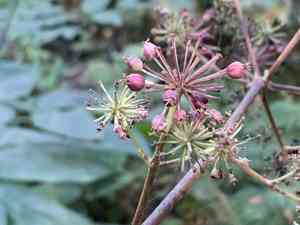
1
California spikenard is recognized for its notable therapeutic qualities and advantages.
2
This flora flourishes in damp, shaded locales, making it ideal for forest-like garden settings.
3
California spikenard provides a superb dwelling and sustenance for local fauna.
What Are the Key Benefits of California spikenard?
Ecological Contributions
A primary advantage of California spikenard lies in its ecological importance. Serving as a foundational species in its native environment, it plays a crucial role in sustaining biodiversity. The plant offers refuge and sustenance for diverse insects and animals, thereby fostering a balanced ecosystem. Cultivating California spikenard in your garden can aid local wildlife conservation efforts, drawing beneficial insects such as pollinators and natural predators that regulate pest populations.
Aesthetic Appeal
Beyond its ecological significance, California spikenard significantly enhances the visual appeal of landscapes. Its abundant foliage and distinctive shape make it an attractive addition to any garden setting. The plant can reach impressive heights, making it suitable as a natural screen or a focal point in garden designs. Its verdant, green leaves create a calm and peaceful ambiance, ideal for garden enthusiasts seeking to improve their outdoor living areas.
Why Is California spikenard Perfect for Woodland Gardens?
Thriving in Shade
If you possess a shaded garden area that struggles to sustain more sun-loving plants, California spikenard could be the ideal solution. This plant flourishes in low-light conditions, making it a perfect choice for woodland and shaded gardens. Its adaptability to varying light levels means you can place it in spots receiving filtered sunlight or beneath a tree canopy.
Soil and Water Requirements
California spikenard prefers moist, well-drained soil, which emulates its natural woodland habitat. The plant's roots require consistent moisture, so it's vital to keep the soil uniformly damp without becoming waterlogged. Applying organic mulch around the base can help retain soil moisture and supply essential nutrients as it decomposes. Notably, the plant's robust root system aids in soil stabilization, making it beneficial for preventing soil erosion in your garden.
How to Incorporate California spikenard into Your Garden Design?
Companion Planting
When planning your garden layout, considering companion plants that complement California spikenard can improve the overall health and beauty of your garden. Plants like ferns, hostas, and other shade-loving species can create a lush, multi-layered appearance. These companions also share similar moisture and soil preferences, simplifying upkeep.
Seasonal Maintenance
Maintaining California spikenard throughout the year is relatively simple. During the growing season, consistent watering and mulching will ensure its health. In autumn, pruning any dead or damaged foliage can prepare the plant for winter dormancy. Minimal pest and disease issues mean you can enjoy a low-maintenance plant that doesn't demand frequent intervention.
What Makes California spikenard Unique Among Native Plants?
Cultural Significance
California spikenard holds cultural importance in many indigenous traditions, frequently utilized in various ceremonial and practical applications. This rich heritage adds another layer of value to cultivating and preserving California spikenard. Incorporating plants with cultural significance into your garden can also foster a deeper connection to the land and its history.
Biodiversity Hotspot
Native plants like California spikenard are essential for supporting local biodiversity. By planting native species, you are contributing to a habitat that sustains local flora and fauna. This is particularly crucial in urban areas, where natural habitats may be scarce. Providing a home for native plants and animals helps maintain ecological balance and ensures the survival of various species.



