How to Transplant Western red columbine?
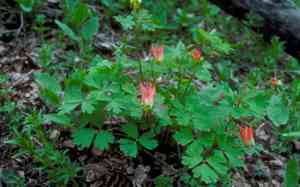
The ideal period for transplanting western red columbine extends from the initial stirrings of early spring through the lush onset of late spring, facilitating superior root development. Choose a location offering filtered sunlight and soil that drains effectively. Carefully move western red columbine to avoid stress, guaranteeing a seamless adjustment to its new surroundings.
What Preparations are Needed Before Transplanting Western Red Columbine?
What is the Ideal Time for Transplanting Western Red Columbine?
The optimal period to move western red columbine is after the last frost but prior to the full onset of summer. Placing your western red columbine in the ground during this season ensures a smooth adjustment, protecting them as they develop new roots. By aligning with nature's reawakening, you guarantee western red columbine can thrive with the increasing daylight. Take advantage of the cool yet brighter days of this timeframe for relocation, and you'll provide western red columbine the best start in its new spot, supported by mild weather and the crucial benefit of spring's growth-promoting influence.
How Much Space Should You Leave Between Western Red Columbine Plants?
Greetings! Before introducing western red columbine to your garden, let's find them a comfortable spot. Aim for a separation of approximately 12-18 inches (30-46 cm) between each plant. This will allow them ample room to flourish and display their beauty.
What is the Best Soil Mix for Western Red Columbine Transplanting?
Now, let's prepare the perfect bed for your western red columbine! They thrive in soil that drains well and is rich in organic material. Mix a balanced, slow-release fertilizer into the soil to give them a nutrient-rich beginning. Healthy roots lead to a happy plant!
Where Should You Relocate Your Western Red Columbine?
When selecting a sunny location for your western red columbine, partial sun to light shade will make them most content! A spot that receives morning sun and afternoon shade is perfect, allowing them to enjoy warmth without excessive direct sunlight during the hottest part of the day.
What Equipments Should You Prepare Before Transplantation Western Red Columbine?
Gardening Gloves
To safeguard your hands while handling soil and plants.
Shovel or Spade
To excavate the area around the western red columbine and its new site.
Gardening Trowel
For smaller digging tasks or refining the planting hole.
Watering Can or Hose
To hydrate the plant before and after its relocation.
Measuring Tape
To correctly space the planting location based on mature size.
Pruning Shears
To trim any damaged roots or foliage, if required.
Wheelbarrow or Plant Dolly
To move the western red columbine from one spot to another.
How Do You Remove Western Red Columbine from the Soil?
How Do You Remove Western Red Columbine from the Soil?
From Ground: First, water the western red columbine plant to moisten the soil. Then, dig a wide trench around the plant using a shovel or spade, ensuring the plant's root ball remains intact. Carefully work the spade beneath the root ball to lift the plant from its original position.From Pot: Begin by watering the western red columbine to dampen the soil. Turn the pot sideways, hold the plant at its base, and gently tap the bottom to loosen it. Support the root ball and carefully slide the plant out of the pot, aiming to keep as much soil around the roots as possible.From Seedling Tray: Water the western red columbine seedling to facilitate soil removal. Use a gardening trowel or a spoon to gently lift the plant out, making sure to include the roots and surrounding soil to keep the root ball intact.
Step-by-Step Guide for Transplanting Western Red Columbine
Prepare New Location
Select an appropriate spot where the western red columbine can flourish without negatively impacting or being affected by other plants. Dig a hole that is twice as wide and equally as deep as the root ball of the western red columbine.
Remove the Plant
Follow the correct removal procedure for the western red columbine from its initial location, keeping as much of the root ball intact as possible.
Placement of the Plant
Gently position the western red columbine in the center of the newly prepared hole, ensuring that the top of the root ball is level with the surrounding soil surface.
Fill in the Hole
Backfill the hole with the excavated soil, gently firming it down without over-compacting it, to eliminate any large air pockets.
Water Generously
After planting, thoroughly water the western red columbine to settle the soil around the roots and help minimize transplant shock.
Stabilization
If the western red columbine is tall or top-heavy, stake the plant to provide support until it becomes established in its new location.
How Do You Care For Western Red Columbine After Transplanting?
Monitor Growth
Regularly check the western red columbine for indications of growth or stress. A successfully transplanted western red columbine should exhibit new growth within a few weeks.
Watering Routine
Maintain an appropriate watering schedule to keep the soil consistently moist without overwatering, which can lead to root rot.
Mulching
Apply a layer of mulch around the base of the western red columbine to help retain soil moisture and regulate soil temperature.
Support System
Ensure that any stakes or supports used during transplanting remain secure and adjust as the western red columbine grows.
Troubleshooting Common Issues with Western Red Columbine Transplantation.
What's the best time to transplant western red columbine?
The optimal period to relocate western red columbine is during the cooler days of early to late spring.
How far apart should I space western red columbine when transplanting?
Allow 12-18 inches (30-45 cm) between plants to give western red columbine ample room to flourish.
Why is my western red columbine wilting after transplanting?
Wilting could indicate transplant shock. Ensure sufficient watering and avoid direct sunlight for a few days.
What should I do if western red columbine isn't growing after transplanting?
Verify if the roots are healthy and the soil drains well. Patience is crucial as western red columbine may take time to establish.
Is it necessary to prune western red columbine when transplanting?
Light pruning can help reduce transplant shock, but avoid extensive cutting back to preserve the plant's energy.
How deep should I plant western red columbine?
Dig a hole as deep as the root ball but twice as wide to encourage root spread without burying the crown too deeply.
How much should I water western red columbine after transplanting?
Keep the soil consistently moist but not waterlogged for the first few weeks to help western red columbine establish.
Can western red columbine be transplanted in partial shade?
Western red columbine thrives in sun or part shade. Choose a spot that mimics its natural woodland habitat for best results.
What soil is best when transplanting western red columbine?
Use a fertile, well-drained soil mix enriched with organic matter to promote healthy growth for western red columbine.
Should I mulch around western red columbine after transplanting?
Applying a layer of mulch can help retain moisture, regulate soil temperature, and reduce weeds.



