Enhancing Your Garden Design with the Western red columbine Plant: A Landscaping Guide
1
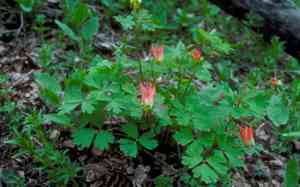
The Western red columbine brings vivid hues and a distinctive form to your outdoor space, creating a striking focal point.
2
Perfect for spots with partial shade, this columbine variety draws in pollinators such as hummingbirds and bees.
3
Given appropriate attention, the Western red columbine flourishes through various seasons, providing continuous aesthetic appeal.
Introducing Western red columbine to Your Garden
What Makes Western red columbine a Great Choice for Landscaping?
Incorporating Western red columbine into your garden offers numerous advantages for both experienced and novice gardeners. A primary draw of Western red columbine is its distinctive, vivid blossoms, showcasing a unique structure and rich hues. These attributes establish Western red columbine as an outstanding ornamental plant, capable of enhancing any garden's visual appeal. Furthermore, Western red columbine is not merely attractive; it also draws various pollinators like bees and hummingbirds, fostering a robust and lively garden ecosystem. Beyond its beauty and ecological benefits, Western red columbine requires relatively little upkeep. It thrives in diverse soil types and adapts to various light conditions, including partial shade, making it a versatile addition suitable for many landscaping designs.
Ideal Locations for Western red columbine in Your Landscape
Selecting the optimal placement for Western red columbine within your landscape is vital for maximizing its aesthetic and ecological contributions. Ideally, Western red columbine should be situated in areas receiving partial shade. This preference allows it to absorb sufficient sunlight while being protected from intense afternoon heat. Gardeners often achieve success by planting Western red columbine along woodland edges, beneath partial canopy cover, or in semi-shaded flower beds. Moreover, since Western red columbine attracts pollinators, positioning it near other flowering plants can create a vibrant and active corner in your garden. It also serves as an excellent option for borders and pathways, where its unique flowers can be admired closely. By carefully choosing the planting site, you ensure that Western red columbine not only flourishes but also enhances the overall landscape design.
Design Principles for Incorporating Western red columbine
Complementing Western red columbine with Other Plants
When integrating Western red columbine into your garden, it's important to consider companion plants that can enhance its beauty and thrive in similar conditions. Plants with contrasting foliage, such as ferns and hostas, work well, providing a lush backdrop that accentuates Western red columbine's unique blooms. Alternatively, you can combine Western red columbine with other native plants that share similar light and moisture requirements, such as wild geraniums or shooting stars. These combinations not only create a harmonious and aesthetically pleasing environment but also contribute to a sustainable and resilient ecosystem.
Balancing Color and Texture with Western red columbine
Achieving a balance of color and texture is crucial for a visually captivating garden. Western red columbine showcases vibrant shades and distinct flower forms that can be strategically placed to add intrigue and depth. Pairing Western red columbine with plants possessing different textures, such as the delicate foliage of astilbe or the broad leaves of hostas, can create a dynamic and multi-layered appearance. Also, consider the color scheme; selecting plants with complementary or contrasting colors can amplify the visual impact. For instance, combining Western red columbine with blue or purple flowers like columbines or irises can produce a striking contrast, while surrounding it with greens can make its colors truly stand out.
Creating Focal Points with Western red columbine
Establishing focal points with Western red columbine in your garden can draw the eye and anchor your landscape design. Place Western red columbine in prominent locations where its distinctive blooms can be highlighted, such as the center of a flower bed, alongside a path, or in a dedicated garden nook. You can also utilize Western red columbine to emphasize a garden feature, like a birdbath or a garden bench. By grouping several Western red columbine plants together or combining them with plants of varying heights and textures, you create a visually striking and cohesive landscape area that captures and holds attention.
Seasonal Considerations for Western red columbine
What to Expect in Spring and Summer
During spring and summer, Western red columbine bursts into life with a display of colorful blossoms that invigorate your garden. This period marks the primary growth season for Western red columbine, requiring consistent watering and moderate fertilization to support its vigorous development. Removing spent flowers can encourage more blooms and maintain a neat appearance. Additionally, monitoring for common garden pests and taking appropriate measures will ensure your Western red columbine remains healthy and continues to flourish throughout the growing season.
Preparing Your Western red columbine for Fall and Winter
As the growing season concludes, preparing Western red columbine for the autumn and winter months is vital to ensure its longevity. Begin by pruning the plant to remove any dead or diseased foliage, which can help prevent problems in the subsequent season. Applying a layer of mulch around the plant's base will help insulate the roots from extreme temperatures and retain moisture. In colder climates, additional protection like a frost cloth may be necessary to shield Western red columbine from harsh winter conditions. By taking these steps, you ensure your Western red columbine is well-prepared to emerge strong and healthy in the spring.
Maintaining Western red columbine in Your Landscape
Routine Monitoring and Adjustments
Consistent observation and modifications are essential for preserving the health and appearance of Western red columbine in your landscape. This involves regular checks for pests, diseases, and any signs of stress, such as yellowing leaves or wilting. Depending on the conditions, you may need to adjust watering schedules, modify soil conditions, or provide additional nutrient support. Routine maintenance not only keeps Western red columbine looking its best but also extends its lifespan and ensures a thriving garden.
Managing Growth and Spread
Controlling the growth and spread of Western red columbine is important for maintaining a balanced garden. Regular deadheading can prevent excessive self-seeding, while dividing the plants every few years will help manage their spread and encourage healthy growth. Additionally, monitoring the plant's overall size and shape allows you to prune and shape it as needed, ensuring it remains an attractive and well-integrated part of your landscape. With mindful management, Western red columbine can flourish without overwhelming your garden space.



