How to Propagate Western red columbine?
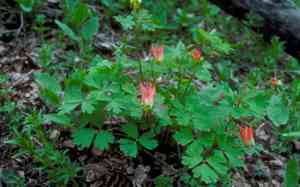
Aquilegia formosa is efficiently multiplied via seeding, leveraging its inherent reproductive mechanisms. To achieve successful sprouting, newly harvested seeds ought to be gathered soon after they ripen on the parent plant. These seeds frequently necessitate a stratification period, simulating cold weather, to overcome dormancy. Plant seeds in a substrate that drains well and is nutrient-rich, covering them lightly with earth. Steady hydration and ample airflow will contribute to robust seedling growth. When seedlings have developed sufficiently, they can be moved to their permanent planting sites, considering their preference for dappled light and damp, productive ground.
What Is the Best Time To Propagate Western Red Columbine?
Propagation Type
Sowing
Propagation Season
Spring
What Tools Are Used in Western Red Columbine Propagation?
Seed trays with domed lids
Seed trays are vital for starting western red columbine from seeds. Domed lids help maintain high humidity and stable temperatures, both of which are essential for germinating western red columbine. The controlled environment reduces the risk of seed desiccation and promotes uniform seedling growth.
Fine seed starting mix
A fine, well-draining seed starting mix is important for western red columbine, as it provides the delicate seeds with an ideal medium for germination without causing waterlogging or root rot. This soil medium supports healthy root development and offers enough aeration.
Spray bottle or misting system
Maintaining consistent soil moisture is imperative for the germination of western red columbine. A spray bottle or a misting system allows for gentle watering that doesn't disturb the seeds. Misting helps in evenly distributing moisture, crucial for the germination process.
Heat mat
Providing bottom heat with a heat mat can significantly improve the germination rate and speed for western red columbine. It raises the soil temperature, encouraging faster and more reliable germination. This tool is particularly beneficial in cooler climates or during the cooler parts of the year.
Grow lights
After germination, western red columbine seedlings require sufficient light to grow strong and healthy. Grow lights ensure that the seedlings receive enough light, especially when natural light is insufficient. This helps prevent legginess and promotes robust growth.
Labeling tags
Using labeling tags helps in the accurate identification and tracking of western red columbine throughout the propagation process. This is particularly useful when propagating multiple varieties or species at the same time, ensuring that each variety's specific needs are met.
How to Propagate Western Red Columbine?
Propagation Type
Easy
How to Care for Your Newly Propagated Western Red Columbine?
How to Care for Your Newly Propagated Western Red Columbine?
After propagation, western red columbine requires regular watering, especially during dry spells, but ensure good drainage to prevent root rot. It prefers partial shade but can tolerate full sun in cooler climates. Enriching the soil with organic matter yearly and providing a layer of mulch can help retain moisture and control weeds. Monitor for pests like aphids and caterpillars and treat infestations promptly to maintain plant health.
Common Mistakes to Avoid When Propagating Western Red Columbine
Overwatering
Watering western red columbine too frequently can lead to root rot, as this species prefers well-drained soil. Excessive moisture inhibits root development and increases susceptibility to fungal diseases.
Deep planting
Planting seeds or root cuttings of western red columbine too deeply can hinder germination and growth. This species requires light for seed germination, and deep planting can prevent seeds from receiving sufficient light.
Overcrowding
Planting seeds or divisions of western red columbine too close together can lead to competition for light, nutrients, and space. This overcrowding can result in weaker plants that are more prone to disease.
Neglecting soil quality
Using poor or unamended soil for propagating western red columbine can impede its growth. This plant thrives in well-drained, slightly alkaline soil rich in organic matter.
Tips For Propagating Western Red Columbine
Use fresh seeds
Propagating western red columbine from fresh seeds enhances germination rates. Seeds of western red columbine tend to lose viability quickly, so using freshly collected seeds is preferable for successful propagation.
Provide light
Ensure seeds of western red columbine have adequate light exposure. Surface sowing without covering the seeds with soil can improve light access and promote better germination rates.
Moisture control
Maintain consistent moisture but avoid waterlogging when propagating western red columbine. Using a well-draining potting mix and monitoring watering practices closely will support healthy seedling development.
Gentle handling
Handle seedlings and root cuttings of western red columbine with care to prevent damage. Delicate handling is essential during transplantation to avoid disturbing the root system, which can set back growth and development.



