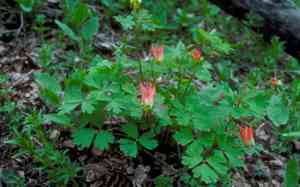
Western red columbine (Aquilegia elegantula)
Also known as: Western Red Columbine
The western red columbine, found in the USA and Mexico, typically grows in forests and near water bodies like streams and riverbanks. The genus name "Aquilegia" comes from the Latin word "aquila," meaning eagle. This name is thought to describe the flower's spurred petals, which resemble an eagle's talons.
In This Article
Attributes of Western red columbine
Lifespan
Perennial
Plant Type
Herb
Plant Height
0 mm to 91 cm
Spread
30-40 cm
Leaf Color
Green
Flower Size
2.5-4 cm
Flower Color
Red and yellow
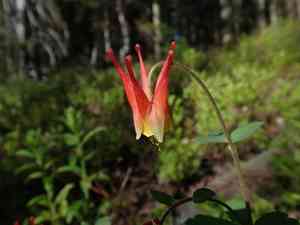
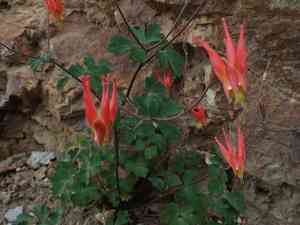
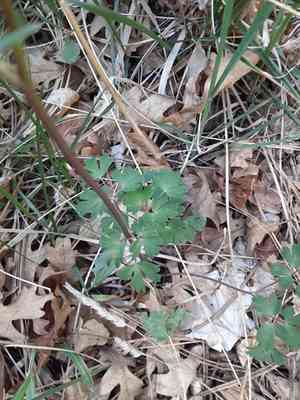
Images of Western red columbine
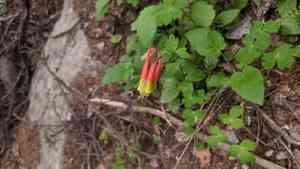
Quickly Identify Western red columbine
1
This plant can be identified by its delicate, nodding red and yellow flowers, fern-like foliage, and thin, branching stems. The petals are spurred and the flowers resemble a cluster of upward-facing bells.
Scientific Classification of Western red columbine
Phylum
Vascular plants
Class
Dicotyledons
Order
Ranunculales
Family
Buttercup
Genus
Columbine
Species
Western red columbine
Planting and Growing of Western red columbine
Care Difficulty
Easy
Watering Schedule
Every 3 days
Sunlight Requirements
Partial sun
Sunshine Duration
4-8 hours
Ideal Temperature
60-75℉
Soil Type
Potting Mix, Peat Mix
Soil pH
6.5-7.5
Fertilizer Type
Balanced
Pruning Season
Spring, Summer
Pruning Area
Branches, Leaves
Pruning Frequency
2 times a year
Repotting Season
Spring
Pot Type
Plastic, Ceramic
 How to Water Western red columbine?
For Aquilegia elegantula, it is crucial to maintain consistent soil moisture without allowing the soil to become waterlogged. Ideally, water the plant until the soil feels damp about 2 inches below the surface, which usually requires around 250 ml of water per session.
What are the symptoms of an underwatered Western red columbine?
›
What should I do if my Western red columbine is not getting enough water?
›
What are the symptoms of an overwatered Western red columbine?
›
How to save an overwatered Western red columbine?
›
 What Are the Sunlight Requirements for Western red columbine?
Aquilegia elegantula thrives in partial sun, typically receiving 4 to 6 hours of dappled sunlight. Ideal lighting enhances flower vibrancy, promotes healthy growth, and sustains the plant's overall vigor.
What is the best light condition for Aquilegia elegantula?
›
How can I achieve the ideal light conditions for my plant?
›
What are the benefits of optimal light conditions for Aquilegia elegantula?
›
 What Is the Ideal Temperature Range for Western red columbine?
The optimal temperature range for Aquilegia elegantula is between 60°F and 75°F. This range allows the plant to maintain healthy metabolic processes without undue stress from environmental extremes. Temperatures within this range aid in optimal photosynthesis and nutrient absorption, contributing to robust growth and vibrant blooms.
 What Soil is Best for Western red columbine?
Aquilegia elegantula thrives in well-draining soil. Such soil prevents waterlogging, a condition that can lead to root rot. The ability to drain excess water while retaining essential moisture supports healthy root development and gives the plant its vibrant blooms. This plant benefits from soil enriched with organic matter. A nutrient-rich soil foundation supplies essential growth nutrients, ensuring robust foliage and abundant flowering. Adding compost or organic fertilizers can boost soil fertility. Aquilegia elegantula prefers soils that can hold moisture without becoming waterlogged. Proper moisture retention enables the plant to sustain hydration through dry spells, aiding in consistent growth and bloom cycles.
 How to Fertilize Western red columbine?
For Aquilegia elegantula, use a balanced 10-10-10 liquid fertilizer, diluted to half strength, to ensure optimal growth without risking over-fertilization. Solid fertilizers should be applied at a rate of 2 to 3 pounds per 100 square feet, spread evenly over the soil and worked in lightly.
 How to Prune Western red columbine?
Remove any dead or withered stems to encourage robust new growth. Cut just above a leaf node to ensure efficient nutrient distribution for the plant. Deadheading spent flowers can redirect energy from seed production to growth, extending the blooming period and enhancing the plant's vigor. If the plant becomes bushy or overcrowded, selectively trim stems to shape it aesthetically and improve airflow, reducing the risk of fungal diseases.
More About Pruning Techniques→
 How to Propagate Western red columbine plant?
1
Collect seeds from mature Aquilegia elegantula plants. Clean and dry the seeds thoroughly, and store them in a cool, dry place until ready to plant.
2
Fill the seed trays with sterile potting mix. Sow the seeds thinly and cover them lightly with soil. Water gently to settle the soil ensuring good moisture contact.
3
Once seedlings have a set of true leaves, they can be transplanted into individual pots or the garden. Acclimate them gradually to outdoor conditions to avoid transplant shock.
 How to Repot Western red columbine plant?
1
Repotting Aquilegia elegantula should be considered when the plant shows signs of being root-bound, such as roots emerging from drainage holes or stunted growth. Early spring or early summer, before it starts its active growing phase, is an ideal time to repot, allowing the plant to recover in optimal conditions.
2
Select a pot that is just slightly larger than the current one, ensuring space for root expansion without drowning the plant in excessive soil. The pot needs good drainage holes to prevent water accumulation, which can be detrimental to its delicate roots.
3
Opt for a well-draining, loamy soil mix that retains enough moisture to keep the roots hydrated but prevents waterlogging. This choice supports healthier root development and enhances the plant's resilience.
Toxicity
Ingestion
WARNING
The judgment on toxicity and danger is for reference only. We DO NOT GUARANTEE any accuracy of such judgment. Therefore, you SHALL NOT rely on such judgment. It is IMPORTANT TO SEEK PROFESSIONAL ADVICE in advance when necessary.
Learn More About Western red columbine Diseases
Anthracnose
Bacterial Leaf Spot
Bacterial Wilt
Black Spot
Chemical Injury
Crown Gall
Cyst Nematode
Damping-off
Downy Mildew
Drought Stress
Fusarium Wilt
Gray Mold
Leaf Curl
Leaf Spot
Mosaic
Nutrient Deficiency
Nutrient Toxicity
Powdery Mildew
Root Rot
Root-knot Nematode
Rusts
Sooty Mold
Spider Mites
Temperature Stress
Thrips Damage
White Mold



