The Western red columbine Plant Advantage: Maximizing Home and Office Appeal and Wellness
1
This flora draws in beneficial insects such as bees, butterflies, and hummingbirds.
2
It's an easy-care plant, fitting well into diverse garden environments.
3
The vegetation improves ground conditions by preventing soil loss on garden plots and inclines.
What Makes Western red columbine Stand Out?
Aesthetic Appeal
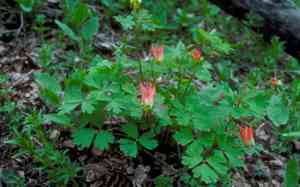
Western red columbine showcases elaborate, vividly colored flowers that impart a distinct charm to any garden. The plant's striking red blooms with yellow centers make it a prominent feature among other greenery. Its delicate, drooping blossoms are not only captivating but also add a touch of grace and whimsy to garden settings.
Attraction of Pollinators
A key advantage of Western red columbine is its capacity to draw in various pollinators, including bees, butterflies, and hummingbirds. This plant serves as a vital food source, supporting the health and diversity of local ecosystems. Enhanced pollination can also benefit other plants in your garden by promoting better fruit and flower production.
How Does Western red columbine Benefit Your Garden?
Low Maintenance Requirements
Western red columbine is an excellent option for gardeners seeking a plant that requires little upkeep. It thrives in diverse soil conditions and needs minimal irrigation once established. This makes it an ideal choice for those who wish to enjoy a beautiful garden without dedicating excessive time and effort to plant care.
Soil Erosion Control
The robust root system of Western red columbine helps to secure soil, making it effective at reducing erosion. This can maintain the integrity of your garden beds and slopes, preventing soil loss and ensuring the longevity of your garden's structure. It's a practical solution for gardeners dealing with hilly or uneven terrain.
Can Western red columbine Improve Biodiversity in Your Garden?
Support for Local Wildlife
By incorporating Western red columbine into your garden, you contribute to the support and sustenance of local wildlife. The plant provides both nectar and habitat for a variety of species, fostering biodiversity. A garden rich in diverse plant life and fauna is more resilient and balanced, offering ecological benefits that extend beyond mere aesthetics.
Companion Plant Benefits
Western red columbine can also function as a beneficial companion plant, offering advantages to its neighbors. It aids in deterring certain pests, which can lessen the need for chemical pesticides. This natural form of pest control not only safeguards plant health but also contributes to a more organic and environmentally friendly gardening practice.
How to Integrate Western red columbine into Your Garden Design?
Ideal Planting Locations
Western red columbine flourishes in both full sun and partial shade, making it a versatile choice for different garden spots. Grouping it in clusters can create a stunning visual impact, or you can use it as a border plant for a burst of color along walkways and garden edges. Its adaptable nature makes it suitable for various garden designs and themes.
Combining with Other Plants
Consider pairing Western red columbine with other native plants to create a harmonious and cohesive garden ecosystem. Plants like ferns and hostas can complement the columbine's vibrant colors while also thriving in similar conditions. Creating a well-planned plant combination not only enhances aesthetic appeal but also contributes to the overall health of your garden.
What Are the Growth and Care Tips for Western red columbine?
Planting Techniques
When planting Western red columbine, ensure you select a site with well-draining soil. Dig a hole that is twice the width of the plant's root ball and plant it at the same depth it was growing in its previous container. Water thoroughly after planting to help the plant establish itself in its new environment.
Routine Maintenance
Once established, Western red columbine requires minimal upkeep. Regular deadheading of spent blooms encourages more flowers and prevents self-seeding if that is undesired. Mulching around the plant helps retain moisture and suppress weeds. During extreme dry spells, a little extra watering can keep the plant healthy and vibrant.



