How to Transplant Yerba Mansa?
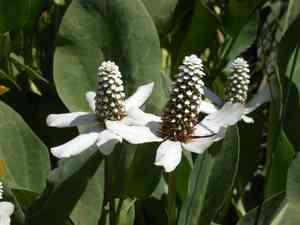
The most favorable period for relocating yerba Mansa is from the revitalizing stage of early spring through early summer, which guarantees robust development. Select a location featuring damp, adequately draining earth, and contemplate offering some dappled light. Careful attention during this timeframe fosters successful rooting.
What Preparations are Needed Before Transplanting Yerba Mansa?
What is the Ideal Time for Transplanting Yerba Mansa?
The best period for relocating yerba Mansa is during the spring bloom or the start of early summer. This timeframe offers ideal temperatures and consistent daylight, promoting strong root development and reducing stress. Moving yerba Mansa at this time leverages its natural growth cycle, ensuring a smooth transition to a new spot, boosting vigor, and encouraging robust growth. It's vital to meticulously prepare the soil and monitor moisture levels after the move to give yerba Mansa the best start in its new home.
How Much Space Should You Leave Between Yerba Mansa Plants?
To allow yerba Mansa plants ample room to flourish, position each one approximately 1-2 feet (30-60 cm) apart. This spacing prevents overcrowding and supports their development.
What is the Best Soil Mix for Yerba Mansa Transplanting?
Prepare a damp, well-draining soil enriched with organic material as a foundation for yerba Mansa. For added nutrients, consider incorporating a slow-release fertilizer before planting.
Where Should You Relocate Your Yerba Mansa?
Select a location where yerba Mansa will receive full sun to partial shade. These plants prefer sunlight but can endure some shade, particularly during the intense afternoon hours.
What Equipments Should You Prepare Before Transplantation Yerba Mansa?
Trowel
To excavate a hole for relocating the yerba Mansa.
Spade or Shovel
For extracting yerba Mansa from its original spot and preparing the ground at the new site.
Gardening Gloves
To safeguard your hands while handling soil and the plant.
Wheelbarrow
To move yerba Mansa from its current position to the new one without harm.
Watering Can
To hydrate the yerba Mansa before and after its relocation.
How Do You Remove Yerba Mansa from the Soil?
How Do You Remove Yerba Mansa from the Soil?
From Ground: Start by thoroughly watering the yerba Mansa a day prior to transplanting to lessen shock; it's also wise to transplant in the early morning or late afternoon to avoid heat. Dig a wide trench around the plant with a shovel, maintaining a significant distance from the main stem to protect the root system. Gently lift the plant from beneath the root ball, being careful not to harm the taproot, which is crucial for the plant's survival.From Pot: If yerba Mansa is in a pot, watering it an hour before removal can simplify the process. Tilt the pot sideways while carefully pulling the plant's stem. If the plant doesn't slide out easily, you might need to gently roll the pot on the ground to loosen the soil and roots.From Seedling Tray: For transplanting seedlings, use a small tool like a spoon or stick to carefully lift each seedling with its roots. Be gentle, as seedlings are fragile and can be easily damaged.
Step-by-Step Guide for Transplanting Yerba Mansa
Preparation
Prepare the new planting site before extracting the yerba Mansa from its initial location. The hole should be twice the width of the plant's root ball and deep enough for the plant to sit at its previous height.
Transplanting
Lift the yerba Mansa from its original spot as described above, then center it in the prepared hole. Backfill the hole with the excavated soil, gently pressing down to eliminate air pockets without overly compacting the soil.
Watering
Thoroughly water the newly planted yerba Mansa once all the soil has been replaced, ensuring it is moist but not waterlogged.
Mulching
Applying a layer of mulch around the plant can help retain soil moisture and suppress weed growth.
How Do You Care For Yerba Mansa After Transplanting?
Watering Care
The initial weeks following relocation are critical for yerba Mansa's survival. It requires consistent watering to establish its roots in the new environment. Water every other day during the first week, then gradually reduce the frequency as the plant thrives. Avoid excessive watering, which can lead to root rot.
Monitoring
Observe the yerba Mansa closely during the first few weeks, ensuring it shows no signs of transplant shock such as wilting, yellowing, or leaf drop. If these occur, it may need more attention, like additional watering or some protection from intense sunlight.
Pruning
Trimming any dead or dying leaves will help the plant direct more energy into root development rather than maintaining unnecessary foliage.
Troubleshooting Common Issues with Yerba Mansa Transplantation.
When is the best time to transplant yerba Mansa?
The optimal period to relocate yerba Mansa is during the S1-S4 season. This allows the plant to establish its root system before active growth periods.
How much space should be between each yerba Mansa during transplanting?
Ensure a spacing of 1-2 feet (30-60 cm) between each yerba Mansa plant. This provides sufficient room for individual growth without competition.
What should I do if the yerba Mansa is wilting after transplant?
Wilting post-transplant often signals stress. Keep the soil damp but not saturated. Apply a high-phosphorus fertilizer to aid root establishment.
What type of soil suits yerba Mansa best?
Yerba Mansa thrives in sandy or loamy soil, which should be well-draining and rich in organic matter. A neutral to slightly alkaline pH is ideal.
What if the transplanted yerba Mansa has yellow leaves?
Yellow leaves might indicate overwatering or a nutrient deficiency. Ensure proper watering and consider a balanced fertilizer to correct this issue.
Can yerba Mansa be transplanted in containers, and what's the recommended size?
Absolutely! A container with a 16 inches (40 cm) diameter and depth is suitable for yerba Mansa. Make sure it has good drainage to prevent waterlogging.
What care should be given to yerba Mansa post-transplant?
Water yerba Mansa thoroughly after transplanting, maintain consistent moisture, and apply a slow-release fertilizer to help the plant settle in.
What should I do if the roots of yerba Mansa appear crowded?
If roots seem constricted, it's time to move yerba Mansa to a larger area or container, always adhering to the 1-2 feet (30-60 cm) spacing guideline.
How should I handle yerba Mansa while transplanting to reduce stress?
Always handle yerba Mansa with care. Avoid damaging its stems and roots. Water immediately after transplanting to minimize shock and encourage growth.
Why are my transplanted yerba Mansa not blooming?
Lack of blossoms may stem from insufficient light or nutrients, or stress from a recent relocation. Ensure optimal growing conditions and allow time for blooming.



