How to Propagate Yerba Mansa?
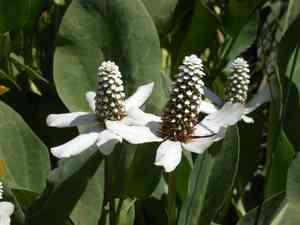
Yerba Mansa flourishes when reproduced through seeding. For improved sprouting, seeds ought to be sown on the surface of a damp, well-aerated growing medium, replicating their native marshland habitat. Consistent irrigation is vital to maintain continuous soil moisture, yet precautions must be taken to prevent saturation. A location with partial shade to full sunlight is perfect for encouraging vigorous development. Although generally resilient, guaranteeing prime soil conditions will considerably elevate propagation achievements.
Optimal Time for Yerba Mansa Propagation
Propagation Method
Seeding
Propagation Period
Spring
Tools for Yerba Mansa Propagation
Seed trays
Seed trays are ideal for initiating yerba Mansa seeds, offering ample room and promoting uniform moisture distribution essential for seed germination. Their compartmentalized design prevents root disturbance during transplanting, which is vital for the delicate roots of yerba Mansa.
Humidity domes
Humidity domes create a controlled environment to maintain elevated humidity levels around yerba Mansa seedlings. This is especially beneficial for preventing the desiccation of sprouting seeds, ensuring higher germination and survival rates.
Heating mats
Heating mats are crucial for warming the soil, which can boost the germination rate of yerba Mansa by maintaining a consistent soil temperature, particularly in cooler climates. This condition mimics yerba Mansa's natural growing environments, fostering healthier and faster sprouting.
Fine mist spray bottle
A fine mist spray bottle is essential for gently watering yerba Mansa seeds without dislodging them. It provides a delicate water flow that's perfect for keeping the soil moist, which is necessary for germination without causing soil erosion or seed displacement.
Nutrient-rich starter soil
Nutrient-rich starter soil provides yerba Mansa seeds with a healthy growing medium abundant in essential nutrients. It supports robust root development and overall plant vigor during the initial growth phases. The soil should be well-draining to prevent waterlogging, which can harm yerba Mansa seedlings.
How to Propagate Yerba Mansa?
Propagation Type
Simple
Caring for Your Newly Propagated Yerba Mansa
Caring for Your Newly Propagated Yerba Mansa
Post-propagation, yerba Mansa should be cultivated in an environment that mirrors its natural habitat, specifically in moist, well-drained soil. It thrives in partial shade but can endure full sun in cooler regions. Consistent watering is crucial, especially in arid conditions, to keep the soil uniformly moist. Monitor for pests like aphids and address them promptly. As yerba Mansa is a resilient plant, it generally requires minimal additional care once established, but annual mulching can help retain soil moisture and suppress weeds.
Common Mistakes to Avoid When Propagating Yerba Mansa
Overwatering
Excessive watering can lead to root rot and fungal diseases, as yerba Mansa prefers moist, well-drained soil. Too much water restricts proper air circulation within the soil, worsening these problems.
Inadequate Spacing
Planting yerba Mansa too close together can impede airflow and light penetration, which are vital for healthy growth. This error might result in increased competition for resources and the spread of diseases among the plants.
Using Poor Quality Water
Using water with high salt content can be harmful, as yerba Mansa is sensitive to salt. This can lead to stunted growth and increased susceptibility to disease.
Tips For Propagating Yerba Mansa
Rhizome Division
Divide yerba Mansa's rhizomes in early spring for successful propagation. Ensure each section has at least one growth node to encourage regrowth.
Adequate Moisture
Maintain consistent moisture levels when rooting cuttings or after transplanting rhizomes to promote healthy root development. However, avoid waterlogging the soil.
Soil Choice
Opt for a sandy loam soil that ensures good drainage yet retains sufficient moisture. Soil quality can significantly impact the success of rhizome establishment and overall plant vigor.



